 hot topic
10 Birthday Rituals Around The World: What Do They Really Mean?

Birthdays are universally recognized as significant milestones in a person's life, marking the passage of time and personal growth. However, the way we celebrate this special day varies greatly across cultures, each with its unique traditions and deep-rooted meanings.
This article aims to explore the diversity of birthday rituals around the world and uncover the cultural significance behind them.

adv_slot_container
1. China: Longevity Noodles and Red Eggs
In China, birthdays are celebrated with longevity noodles, symbolizing a long life, and red eggs, representing new beginnings and good fortune.
The cultural significance lies in the emphasis on family reunions and blessings for longevity, reflecting the values of filial piety. An interesting detail is that the noodles must not be bitten off, symbolizing the continuity of life.
2. Mexico: Piñatas and Birthday Songs
Mexican children celebrate their birthdays with a party—also called a fiesta—with food, treats, and songs. And the highlight of a birthday party is the candy-filled piñata.
Children are blindfolded and swing bats or sticks at the piñata until it breaks open and all the treats spill out for everyone to enjoy. An extra-special birthday for girls in Mexico, and throughout Latin America, is their 15th, celebrated by the traditional quinceañera, which marks a girl's transition to womanhood.
adv_slot_container
3. India: Aarti Ceremony and Sweets Sharing
In India, birthdays are marked by an Aarti ceremony, a prayer ritual, and the distribution of sweets to friends and family. This practice expresses gratitude and blessings, balancing spiritual and material aspects.
An interesting note is that the sweets are often homemade, symbolizing heartfelt intentions.
4. Japan: Shichi-Go-San and Traditional Attire
In Japan, not every birthday is celebrated, and not every birthday is celebrated on a child's actual date of birth. In ancient times, children often died young, so children now participate in the 7-5-3 celebration (Shichi-go-san), held on November 15.
The name refers to the ages of the children celebrated: Any child who reaches age three, boys who reach age five, and girls who reach age seven. They put on fine clothing and visit a religious shrine to give thanks for their health and a new year of life. They may also get gifts and candy.
5. Germany: Candles and Birthday Cakes
In Germany, birthday cakes are adorned with candles equal to the person's age, which are blown out after making a wish. This symbolizes the fulfillment of wishes and the continuation of life, emphasizing personal happiness.
A quirky detail is that all candles must be blown out in one breath, or the wish might not come true.
6. Nigeria: Naming Ceremonies and Community Celebrations
Nigerian birthdays often involve a naming ceremony, inviting the entire community to celebrate. This emphasizes the individual's importance within the community, reflecting collective cultural values.
An interesting fact is that names are usually given by elders based on the circumstances of the child's birth.
7. Brazil: Ear Pulling and Jumping Three Times
If you're the birthday boy or girl, be prepared for some sore earlobes. Family, friends, and even strangers will pull at the ears of the birthday kid, one tug for each year old.
The idea behind the custom is to wish that the child live so long that their ears touch the ground. It's all worth it because of the big birthday feast, which focuses on brigadeiro, Brazil's famous, simple, and delicious truffles. Make your own brigadeiros with our recipe!
8. United States: Birthday Parties and Gifts
American birthdays are celebrated with themed parties, gift-giving, and singing the 'Happy Birthday' song.
This emphasizes individualism and self-expression, reflecting the pursuit of happiness. An interesting note is that 'Happy Birthday' is one of the most recognized songs globally.
9. Vietnam: Lunar Birthdays and Ancestor Worship
In Vietnam, birthdays are celebrated according to the lunar calendar, with rituals honoring ancestors and sharing traditional foods. This expresses respect and gratitude towards ancestors, emphasizing family heritage.
A unique aspect is that lunar birthdays often hold more significance than Gregorian calendar birthdays.
10. Common Themes in Global Birthday Rituals
Despite their diversity, birthday rituals worldwide share common themes: family and community, blessings and protection, and growth and renewal.
These elements highlight the universal importance of birthdays as celebrations of life and connection.
Conclusion
The diversity f birthday rituals around the world reflects the rich tapestry of human culture. Understanding these traditions fosters cross-cultural appreciation and respect.
As we celebrate our own birthdays, let us reflect on the deeper meanings behind these rituals and the values they represent.


RECOMMEND ARTICLES
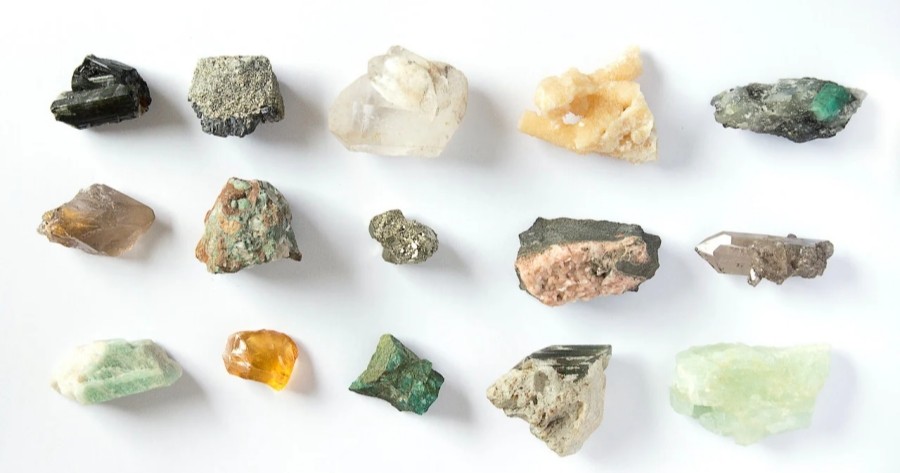
Birthstone Meanings: More Than Your Birth Month’s Hashtag
Test How Many People Have The Same Name As You?
Take This Test: See Which Nationality Your Appearance Resembles.
✋ Palm Reading: What Will Happen In Your Future?
Rare Or Common? The Truth About Your Name In 2025
Cats And Emotional Well-being: How They Shape Our Lives!
Discover The World's Most Unique Traditional Attire!
Choose Your Pet Wisely: A Personality Trait Guide To Finding Your Ideal Pet!

Top 8 AI Photo Effects Of 2025: Which One Will You Choose?
10 Women Of The Bible Who Shaped Faith And Courage!
Most Read

How To Stop Overthinking Decisions And Break The Cycle Of Chronic Indecision

How To Start A Daily Journaling Practice For Better Mental Clarity

How To Get The Newest FREE EMOTES In Fortnite

How To Grow A Garden With Stealer Script: A Complete Player's Guide

How To Use The Steal A Brainrot OP Script: A Step-by-Step Guide