
 hot topic
Discover The World's Most Unique Traditional Attire!

Traditional attire serves as a vibrant tapestry of cultural identity, reflecting the history, values, and artistry of societies across the globe.
From the intricate designs of Asia to the bold expressions of Africa, the historical elegance of Europe, the multicultural vibrancy of the Americas, and the natural symbolism of Oceania, each piece of clothing tells a story worth discovering.
Why are these attires significant? They are not just garments but embodiments of heritage, craftsmanship, and identity.
adv_slot_container
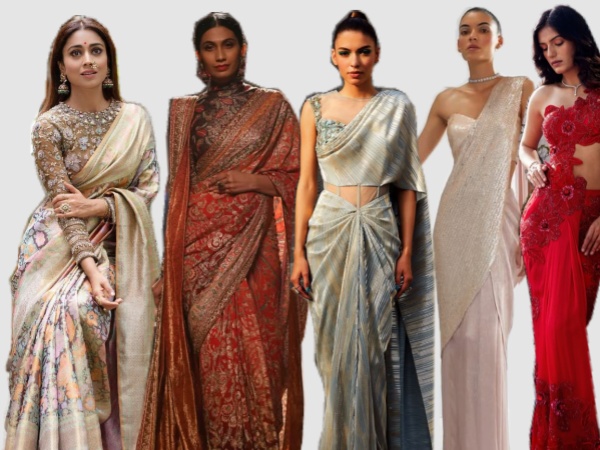
1. Saree
India is a land of myriad and exquisite cultures and subcultures. One of the main traditional dresses of India is the Saree. However, you'll find a variety of different attires per sub-culture across the country. Derived from Sanskrit for 'strip of cloth', it is a single-length fabric that is 5 to 9 meters and worn with a blouse. The Saree can be draped in many different ways, making it world's most versatile garment.
Some prefer to wrap a simple cotton version due to the hot and humid climate, while others opt for glamorous pieces for festivities and occasions. The garment has evolved over time and 75% of Indian women wear it every day.
2. Dishdash
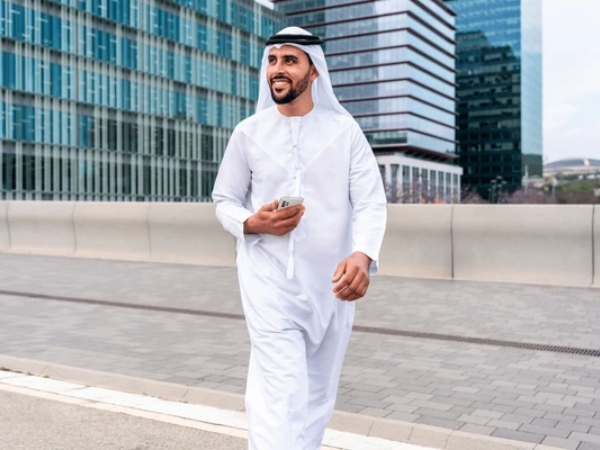
The dishdasha, also known as kandura or thawb, is a traditional garment worn by men in many Gulf Arab countries, including Saudi Arabia, Oman, Kuwait, and the United Arab Emirates. It is a loose-fitting, ankle-length robe that is typically made from lightweight fabric and is a symbol of cultural identity and modesty.
The dishdasha is widely worn by men in Gulf Arab countries as a traditional and formal attire. It is commonly worn for religious occasions, formal events, and daily wear. The dishdasha is regarded as a symbol of cultural pride and heritage, representing the values of modesty and simplicity.
adv_slot_container
3. Abaya
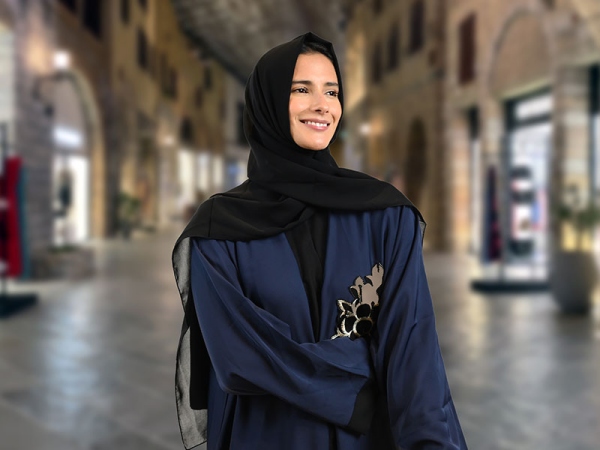
The abaya is a loose-fitting, full-length cloak worn by women in many Islamic cultures. It is a modest garment that is often black in color and is designed to cover the body. The abaya is an important symbol of religious and cultural identity.
The abaya is widely worn by women in Muslim-majority countries as a symbol of modesty and religious observance. It is considered a cultural attire and is often worn for formal occasions, religious gatherings, or as everyday clothing. The abaya has gained global recognition and is appreciated by individuals seeking modest yet elegant fashion choices.
4. Ao Dai
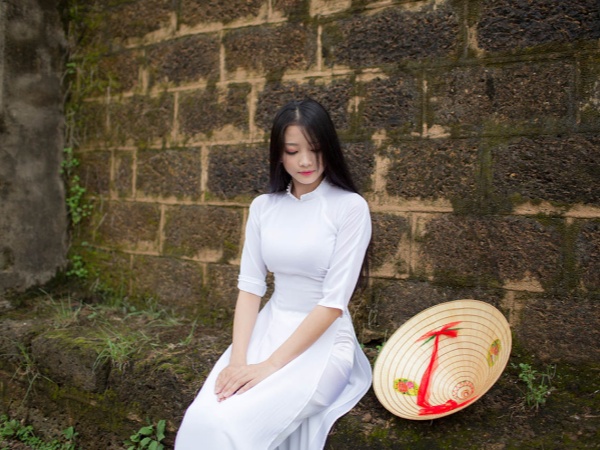
The ao dai is the national costume of Vietnam and is renowned for its elegance and grace. It is a long, fitted tunic dress worn over loose-fitting pants. The ao dai is commonly seen in formal settings, including weddings, important ceremonies, and cultural events.
The ao dai is popularly worn during traditional Vietnamese festivals, weddings, and other formal events. It is also commonly seen in schools and workplaces, where it is worn as a uniform. The ao dai has gained international recognition and is appreciated for its elegant design, often worn by Vietnamese artists, models, and beauty queens on the global stage.
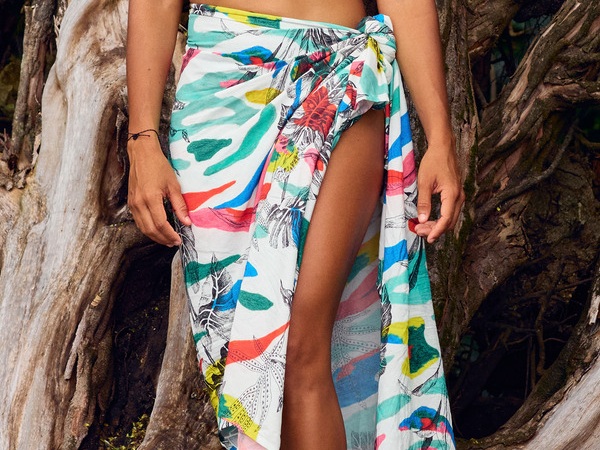
5. Sarong
The sarong is a traditional garment that is widely worn in Southeast Asia, particularly in countries such as Indonesia, Malaysia, and Thailand. It is a versatile piece of fabric that can be wrapped around the body in various ways and is known for its vibrant colors and patterns.
The sarong is popularly worn in Southeast Asia, where it is considered a traditional attire and an everyday garment. It is commonly worn for casual occasions, beachwear, or as a practical clothing choice in warm climates.
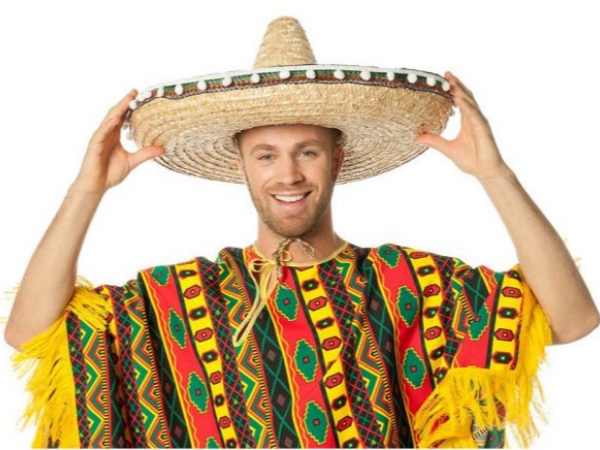
6. Sombrero
The word Sombrero derives from the Spanish word sombra- meaning 'shade'. Used to protect from the sun, this wide-brimmed hat from Mexico usually has a high-pointed crown. Previously, they made the sombreros from the fibers of palm trees. However, Craftsmen believe that Sombreros were first made by the Zenú group, more than 300 years ago.
Every region of the world is a melange of its own unique language, lifestyle, cuisine, or costume. In the era of Globalisation, we must preserve the nation's rich culture in the form of such traditional garments, cuisine, language, etc.
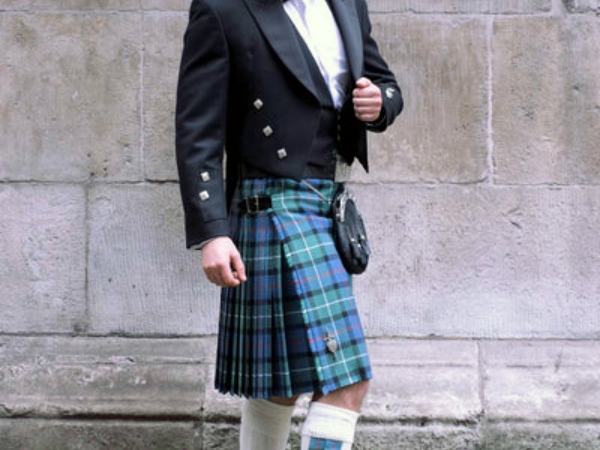
7. Kilt
Originating as the traditional dress of the Gaelic men and Scottish boys, it is a knee-length, skirt-like garment with pleats at the back. Worn on formal occasions, kilts are made of woolen fabric in a tartan pattern.
35 years after the ban on Kilt by King George II, out of fear of rebellion, was lifted, it began to become associated with the whole of Scotland. People wear the kilt often with ornate belts, woolen socks worn to the knee, sturdy leather or brogue shoes, and a sporran – a pouch that hangs from around the waist.
Conclusion
Traditional clothing serves as a window into the diverse cultures and histories that shape our world.
As we explore and appreciate traditional attire from around the globe, we gain a deeper understanding of the people, customs, and heritage that continue to shape our interconnected world.


RECOMMEND ARTICLES
Take This Test: See Which Nationality Your Appearance Resembles.

Discover Your Birth Runes: What Do They Really Mean?
Indian Culture Unveiled: Some Facts You Need To Know!

Decode 7 Fascinating Fingerprint Types And What They Mean!
What Does Your Sleeping Position Say About Your Personality?
What Your Mole Says About Your Personality Traits!

10 Birthday Rituals Around The World: What Do They Really Mean?

Choose Your Pet Wisely: A Personality Trait Guide To Finding Your Ideal Pet!
Top 8 AI Photo Effects Of 2025: Which One Will You Choose?
10 Women Of The Bible Who Shaped Faith And Courage!
Most Read

How To Find Reliable Used Electric Cars Under €5,000 Near You: Senior-Friendly EV Hunting Guide

How To Master The Noob To Pro Monkey Challenge And Rapidly Improve Your Rank
How To Make Perfect Sourdough Starter From Scratch: Step-by-Step Beginner Guide

How To Find People Who Are Secretly Interested In You: A Practical Guide
How To Talk To Spirits Safely: A Practical Guide To Respectful Ghost Connection