
 hot topic
Chicken Meanings In Different Countries And Cultures!

Chickens are one of the most common domesticated animals in the world. They are prized for their eggs, meat, and feathers, but they also hold a special place in folklore and culture around the globe.
If you see a chicken, do you want to know the meaning behind its sudden appearance? Come and take the test: Tap The Chicken To Find Out Who Is Jealous Of You?
adv_slot_container
The significance of chicken in different regions
·Ancient Egypt
Chickens were symbols of fertility and renewal. Egyptians believed that chickens could bring new life because they saw hens laying eggs, which turned into chicks. This process symbolized the cycle of life and rebirth.
Chickens were often depicted in Egyptian art, and they played a role in various rituals and offerings to the gods.
The chicken's ability to lay many eggs made it a powerful symbol of abundance and prosperity.
·Ancient Greece
Chickens were admired for their courage. Greek soldiers used chickens in rituals before going to war, believing that the bird's bravery would transfer to them.
The chicken, with its bold crowing at dawn, was seen as a herald of new beginnings and a symbol of vigilance. In Greek mythology, the chicken was associated with the god Apollo, representing the sun and light.
The Greeks believed that the chicken's crow could ward off evil spirits, making it a protective symbol as well.
·Japan
Chickens hold a sacred place in Shinto beliefs.
There is a famous myth about a chicken that crowed to summon the sun goddess Amaterasu, who had hidden in a cave, plunging the world into darkness. The chicken's crow convinced Amaterasu to come out, bringing light back to the world.
This story underscores the chicken's association with the dawn and new beginnings. In many Shinto shrines, chickens roam freely, as they are considered messengers of the gods.
adv_slot_container
·Medieval Europe
Chickens were believed to have the power to scare away evil spirits with their crowing. It was thought that the devil could not stay where a chicken crowed. This belief led to the chicken being a common symbol atop church steeples and weather vanes, acting as a guardian to protect the community.
The chicken's crow at dawn was also seen as a symbol of Christ's resurrection, bringing light and hope.
·France
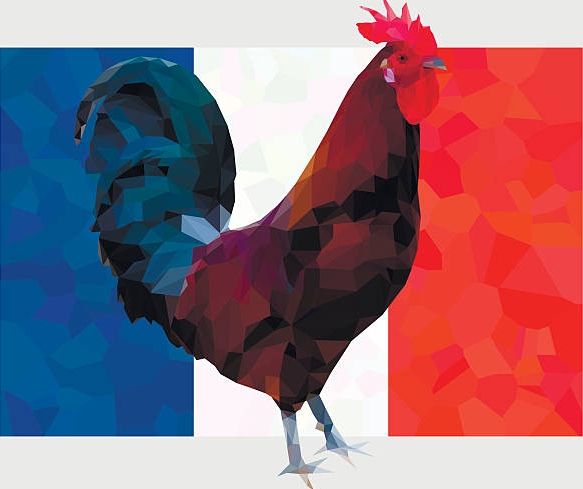
If you happen to walk the streets of Paris or visit a castle in Britany there is a good chance you will see a drawing, statue or symbol of a chicken.
The Gallic Rooster, or Le Coq Gaulois, was originally used by the enemies of the French as a pun to make fun of them. Later, it was recognized as a religious symbol of overcoming darkness each day as a rooster crows each morning.
The chicken became a symbol associated with the original French people, their strength and perseverance. While the people of France still enjoy eating chicken meat and eggs, they also find a cultural significance in their symbol.
·India
In Hindu mythology, Aditi, the mother of all gods, is depicted riding a chicken in the sky, and Lord Murugan, the god of war, is depicted holding a flag adorned with a chicken that represents wisdom.
Today, urban areas of India see chickens as a food source, but as you get into smaller, tribal areas they are seen as a reminder of the daily schedule and rituals and as a symbol of pride and festivities.
·China
As one of the twelve animals represented in the Chinese zodiac, the chicken has an interesting cultural significance in China.
People born in the Year of the Chicken are thought to be honest, hardworking, and punctual, reflecting the chicken's nature. Ancient Chinese people saw the chicken as a representation of the sun god and a sacrificial animal that could help protect against evil.
The chicken not only represents the sun god but also virtues such as luck, prosperity, bravery and punctuality.
Today, in various places around the country of China, roosters and hens are used in marriage ceremonies, as fortune-tellers and as symbols of good luck.
Some folktales about chicken
In African folklore, there is a popular story about a clever chicken who outwits a sly fox. In another tale, a group of chickens bands together to outsmart a hungry farmer. In some cultures, chickens are also considered to be a symbol of good luck. In many Asian cultures, the chicken is associated with the Chinese zodiac and is believed to bring good fortune and prosperity. In some parts of Africa, the chicken is seen as a symbol of new beginnings and is used in traditional ceremonies to bring good luck and ward off evil spirits.
One of the most well-known cultural references to chickens is in the story of the Golden Egg. This tale originates from ancient India and tells the story of a farmer who owns a special hen that lays a golden egg every day. However, the farmer becomes greedy and kills the hen, thinking he can get all the eggs at once. Unfortunately, he finds that the hen was the source of his wealth, and he is left with nothing.
Conclusion
Chickens are mirrors of human ambition—whether in Aesop's fables warning against greed or in startups branding chickens as logos for relentless productivity.
Next time you hear a chicken's crow, listen closely—it might be echoing a 5,000-year-old prayer for abundance, or prophesying tomorrow's untold story.


RECOMMEND ARTICLES

What 2026 Has In Store For You Based On Your Zodiac Sign?

Keys To The Soul: Exploring Their Hidden Spiritual Meanings!

12 Zodiac Love Compatibility: Who Is Your Ideal Partner?

Unlocking The Secrets: 8 Signs That Money Is Coming Your Way!

How Did Your Zodiac Sign Die In A Past Life?

Unlocking The Hidden Messages: What Broken Objects Really Mean In Your Life!

Decoding The 7 Chakras: What Each One Reveals About You!

Unlock Your Destiny: May 2025 Horoscope Analysis!

6 Portals Hold The Keys To Your Forgotten Past Lives!

Zodiac Love Styles: How Each Sign Shows Love?
Most Read

How To Find Out What Type Of Girl You Are!

How To Brew The Perfect Cup Of Pour-Over Coffee At Home

How To Get More Free Robux As Quickly As Possible

How To Explore Your Past Life Identity: A Practical Guide For Curious Adults

How To Get Free Coins In Avatar World Safely?