 hot topic
Review Of The Love Hypothesis: When Fake Dating Becomes A Formula For True Love!

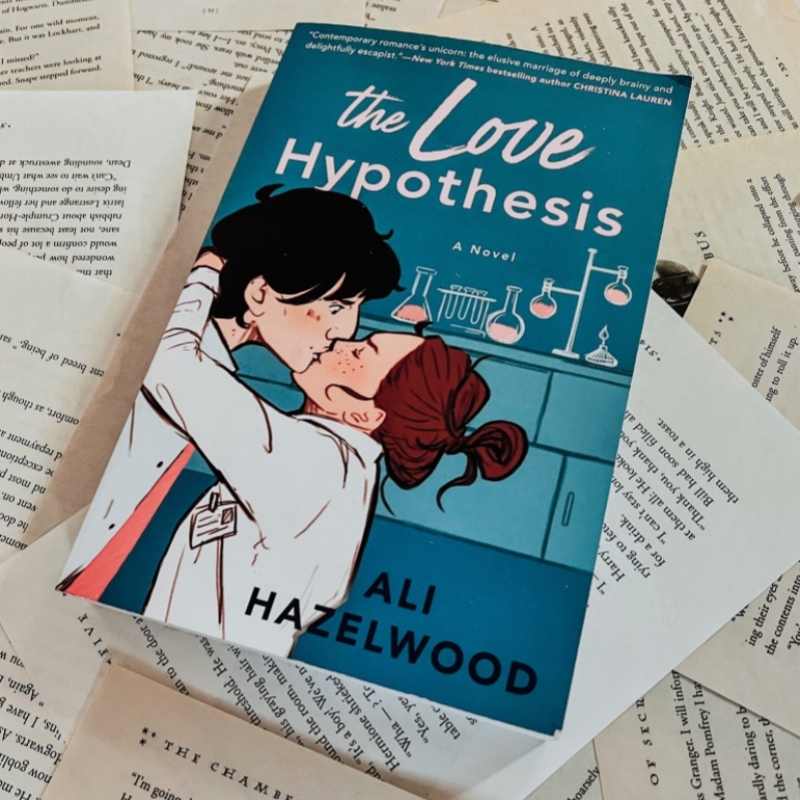
Have you read The Love Hypothesis by Ali Hazelwood?
This wildly popular romance novel, hailed as a "warm, witty, and smart" take on academia, has captivated readers since its 2021 debut.
In this post, we'll tell you why you must read this story, so don't miss it!
adv_slot_container
1. Introduction of the novel
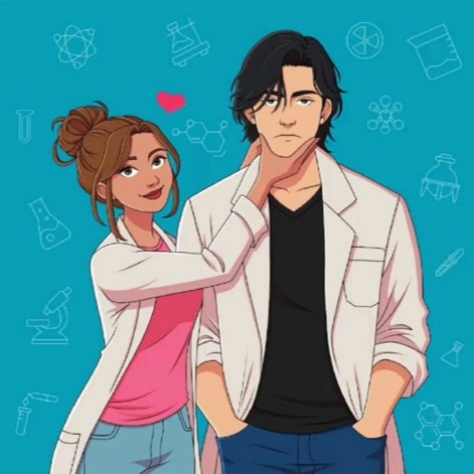
Olive, a 26-year-old in her third year of Stanford's Ph.D. program, whose dwindling free time is nothing compared to her lack of romantic prospects.
Olive kisses the only man in her vicinity in a desperate attempt to convince her best friend, Anh, to go after the guy she likes, Jeremy. To her utter horror, the man Olive kisses happens to be Dr. Adam Carlsen, the most notoriously cruel and uptight professor Stanford has to offer.
Despite Olive's panic, Adam doesn't end her academic career right then and there. Rather, he agrees to be her fake boyfriend until Anh and Jeremy — the same guy who Olive happened to go on one date with months prior – finally get together. Adam proposes that they continue their fake relationship until the day his department decides whether to release the research funds he has been waiting on.
After several dates and unplanned run-ins, Olive begins to develop feelings for Adam. She struggles to reconcile the Adam she knows with Dr. Carlsen, the harsh advisor who leaves her fellow Ph.D. candidates in tears. As Olive's plans to conduct research at Harvard the next year, she has to figure out whether the attraction she feels for Adam is one-sided, and even worse, if she can work up the nerve to tell him.
The novel gained acclaim for its witty dialogue, "forced proximity" and "fake dating" tropes, and its unflinching portrayal of systemic inequities in scientific fields.
adv_slot_container
2. Why you must read it
·Their love story is more believable and interesting.
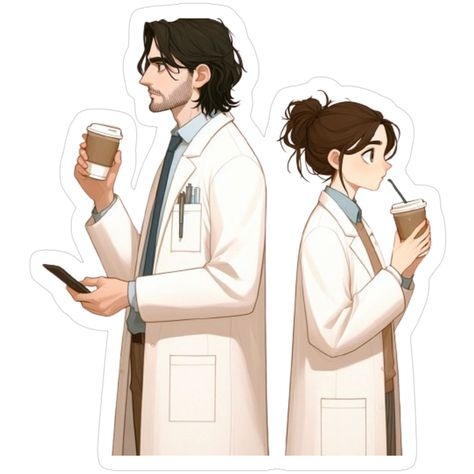
Romance novels tend to fall into a few popular tropes such as "enemies-to-lovers" or "forbidden love." The Love Hypothesis combines two of the most popular tropes right now, "Fake dating" and "grumpy/sunshine," really well.
But despite following these tropes, the story feels fresh because it's also largely about Olive's work and its meaning to her.
The story honestly reflected the challenges Ph.D. candidates face in academia and that authenticity — deepened by the author's personal experiences — brought the characters, the settings, and the romance to life even more as Olive and Adam faced challenges with funding, time-consuming research, and questioning their sense of purpose.
·The steamier scenes are awkward and realistic.
In romance books, there are a few different levels of how graphic a steamy scene can get, from little-to-no detail to explicitly outlined movements.
There is only one chapter with adult content, and it's definitely graphic. It isn't a movie-made, perfect sex scene with graceful movements and smooth dialogue. The scene is a little awkward, imperfect, and full of consent and conversation, making it refreshingly real.
·Blend of humor and emotion.
The book balances humor and emotion effectively. Olive's inner monologues are often hilarious, providing light-hearted moments that break the tension.
At the same time, the story delves into deeper emotions such as love, self - acceptance, and the fear of vulnerability. This combination keeps the reader engaged and invested in the characters' journey.
For instance, when Olive and Adam start to develop real feelings for each other, the humor doesn't detract from the emotional impact, but rather enhances it by making the characters more endearing.
3. The social topics it reflects
Love is beautiful, fun, and amazing, but The Love Hypothesis takes the opportunity to also include conversations about serious issues. While these topics may be tough for some readers, these plot points, hard conversations, and complicated emotions take The Love Hypothesis to the next level and make it a five-star read.
·Sexual Harassment and Power Imbalances
A subplot involves a professor preying on female students, reflecting the #MeToo movement's impact on academia. The novel critiques institutional complacency toward abuse.
·Mental Health in High-Pressure Environments
Olive's anxiety and Adam's emotional withdrawal illustrate the mental toll of academia. The story normalizes therapy and open conversations about burnout, resonating with Gen Z and millennial readers.
·Age and Authority Dynamics
The ethical implications of a professor-student romance are superficially addressed. While Adam is tenured and Olive a Ph.D. candidate (not his direct student), the novel sidesteps deeper critiques of institutional power structures.
4. Conclusion
The novel excels as both escapist romance and social critique. While imperfect in its intersectionality, it sparks vital conversations about equity in science and the human cost of academic ambition. Its blend of humor and heart ensures accessibility, making it a gateway for discussions about gender, power, and resilience.
For scholars, the book offers rich material to analyze pop culture's role in shaping perceptions of STEM. For general readers, it's a reminder that love stories can be both intellectually rigorous and emotionally satisfying.
Whether you're a romance enthusiast or a skeptic of the genre, this book's clever blend of academic realism and swoon-worthy tension makes it a must-read.
By the way, the story is about to be adapted into a movie, who are you most looking forward to starring Olive and Adam?


RECOMMEND ARTICLES
A Rebel's Destiny: Reviewing The Defiant Mate!
Read Hot Chapters Of Novel The Rejected Luna Queen Online!

From Victim To Valedictorian: Read The Novel Reborn Before The SAT, I Let Him Go And Took Back My Future!

Betrayed By Blood And Bond: Read The Novel My Alpha And Pup Chose His Mistress And Left Me In The Fire!
Fated To Pain: Reviewing Bullied Mate Of The Alpha Triplets!
Moon And Blood: Fun Facts About Werewolf And Vampire!
Read Hot Chapters Of Novel Fated To The Vampire Prince Online!
Read Hot Chapters Of Novel Work In Progress: Padon And Adira!
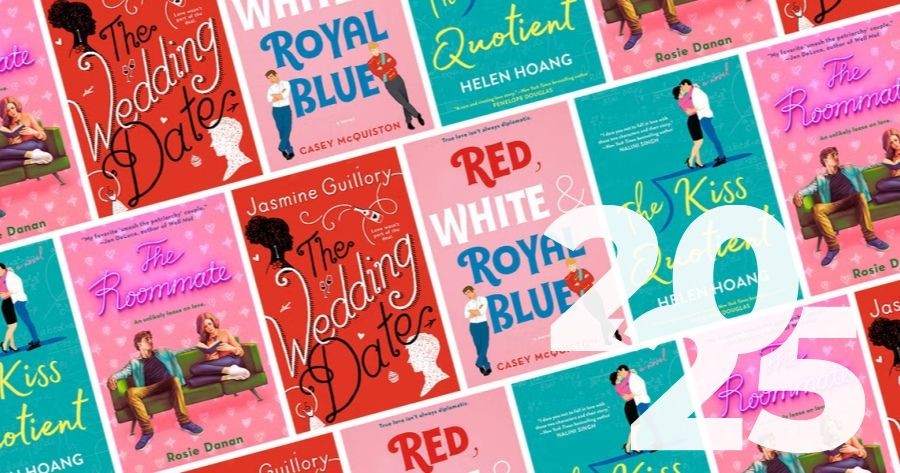
Top 10 Romance Novels You Can't Miss In 2025!
Most Read
How To Unlock And Safely Run An Infinite Speed Script In Roblox Steal An Egg
How To Unlock The Autoshoot Trick In Roblox Rivals Safely And Legally

How To Predict Your Future By Reading Your Palm

How To Get A Free Zepeto Outfits That Matches Your Aesthetic
How To Land A Long-Term Caregiver Role With No Experience: A Step-by-Step Guide