 hot topic
Moon And Blood: Fun Facts About Werewolf And Vampire!

Werewolves and vampires are mythical creatures that kill people, but they differ in many aspects. Werewolf diet is like humans, in contrast to vampires, who drink blood.
Before jumping to the differences between werewolves and vampires, let's take a look at its origin.
adv_slot_container
Origins of the Vampires and Werewolves
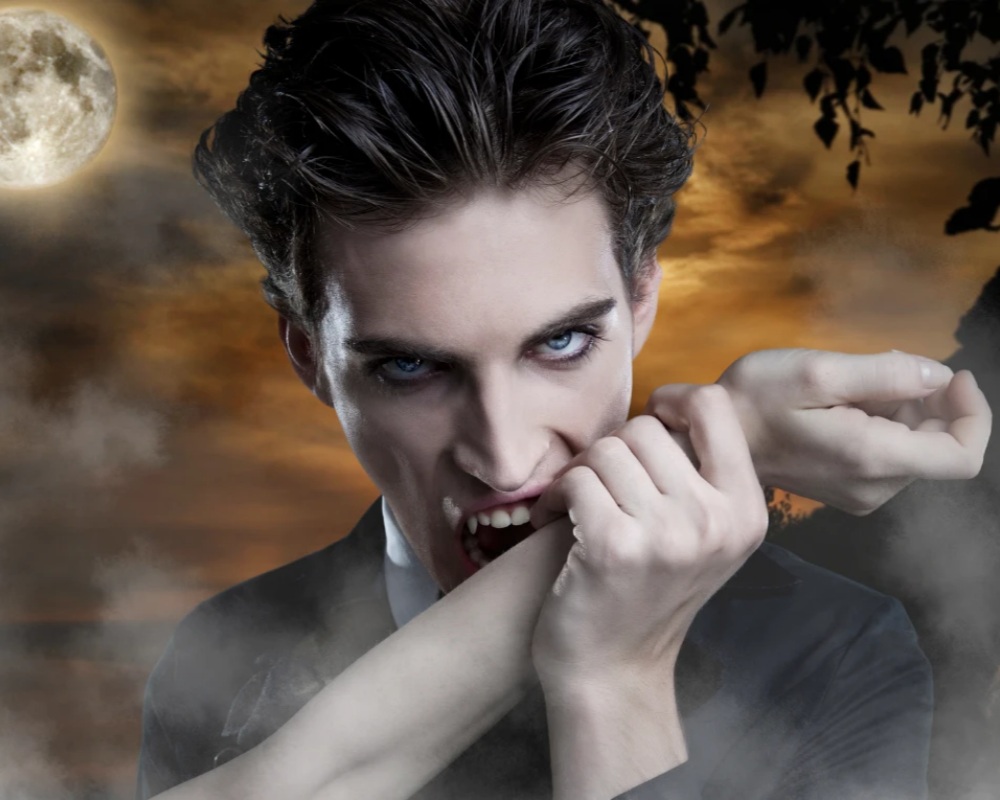
Vampires are mythological creatures that feed on the blood of living creatures. Vampires were often described as bloated and dark in color. Since the Victorian era, they have typically been presented as charismatic and sophisticated predators.
They have fangs which they use to drink blood, and typically have a human-esque appearance. They typically cannot come out in the daytime, and so are nocturnal.
The vampire myth can be traced back to at least the Bronze Age and potentially even further. Throughout history, different cultures have conceived various versions of this blood-sucking being: the edimmu for instance, which come from Assyrian culture, are vengeful vampire-esque ghosts that prey on the living.
These assorted fables set the foundation for contemporary vampire lore, but the mythology wasn't popularized until much later.
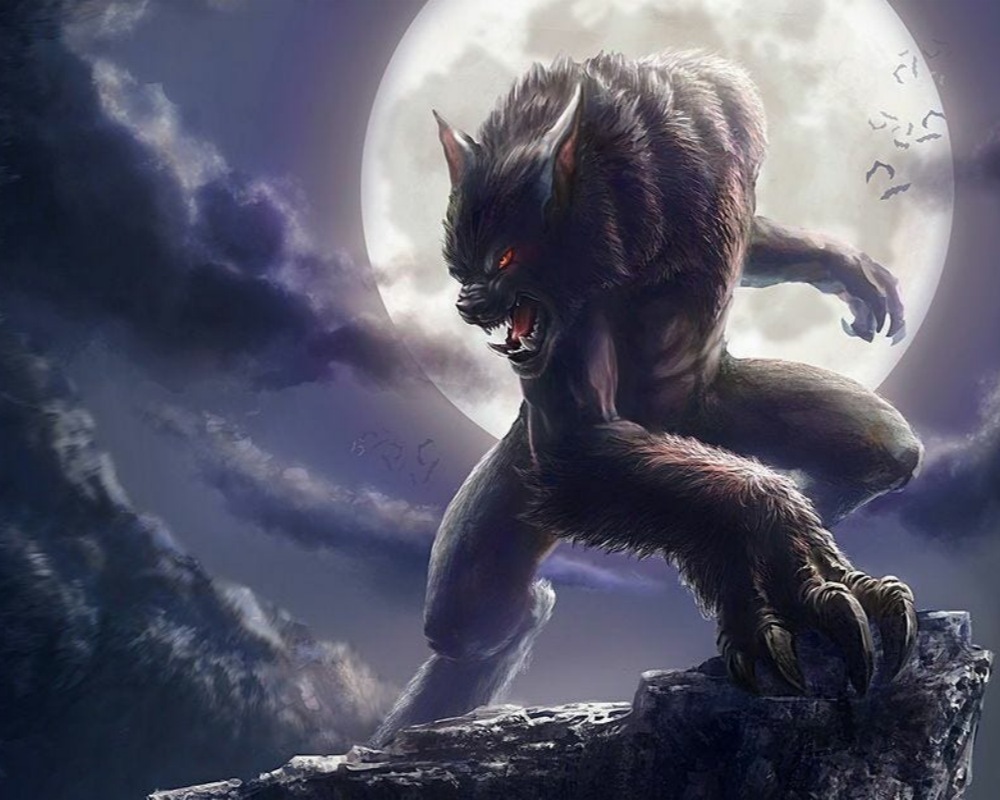
Werewolves, or lycanthropes, are mythological humanoid creatures that can shapeshift into a wolf-like creature either on purpose or due to a curse. They often turn into werewolves involuntarily on the full moon.
Traditional werewolf folklore says that even in human form, werewolves' eyebrows meet at the bridge of the nose, that they have curved fingernails, low-set ears and a swinging stride. Commonly, werewolves in wolf form are indistinguishable from real wolves, but they can be portrayed as larger.
Folklore suggested that people could become werewolves by removing clothing and putting on a belt of wolfskin, or drinking rainwater out of a wolf's footprint. 19th century fiction established the idea that new werewolves are created when a werewolf bites or wounds a human being.
Strengths
Speed, vulnerability, and strength are major differences between werewolves and vampires.
adv_slot_container
Vampires are depicted as immortal creatures who can fly or turn into bats; immortality, their enhanced senses to feed on the human blood, adds to their strength.
Werewolves are associated with super strength and speed. They are typically considered almost entirely invulnerable.
Werewolves are correlated with the mutation between the human and the wolf but in an occult fashion. Having the human mind or living as part of the being makes them invulnerable. But when we talk about strength and speed, they are agile.
Weaknesses
Vampires are often portrayed as sensitive to sunlight and garlic. They are also vulnerable to holy objects such as crosses and holy water. According to some legends, vampires are also unable to enter a house unless they are invited inside. Vampires need to drink blood to survive and are vulnerable during feeding.
Werewolf avoids the smell of a plant called wolfsbane and stays away if it's nearby. Werewolves are vulnerable to silver bullets and other silver weapons.
Behavior
There are various attributes to differentiate vampires from humans. They are very pale, sleeping during the day, not eating food, and remaining young forever.
The Werewolf can be recognized even in his human form due to many physical attributes like curved fingernails or unibrow. But the animal form of Werewolf varied with reasons.
Some common traits are being larger than a normal wolf, having a human voice and eyes, walking on his rear legs, and eating freshly buried human remains.
Their lifestyle and habit help to identify the creature's true nature, but it's not so simple. One of the vital differences between werewolves and vampires is their behavior.
Killing Methods
Decapitation or dismemberment was a common method used to kill vampires. Other methods include piercing the wooden stake through the heart and using some specialist weapon.
Likewise, there were various methods used to kill the werewolves. Removing the heart or head is implied as the sure way to kill a werewolf, along with exorcism. Medical treatment from a plant Aconitum, mercury, is also used for hunting a werewolf.
Medical Conditions
Porphyria, commonly known as "the vampire disease," is associated with a rare, genetic blood disease. When the porphyrin develops in the body hemoglobin, brings oxygen into the bloodstream, sometimes yellowing and stretching the skin. Finally leads the patient to madness over time.
The abnormal growth of hair over the body is known as " Hypertrichosis," also known as "Werewolf Syndrome." The long hair resemblance of the Werewolf leads to the name of this syndrome.
The generalized forms of hypertrichosis symbolize hair growth in the entire body, whereas circumscribed form leads to hair growth in a certain area.
These differences between werewolves and vampires fall under the unknown facts about the medical condition and syndrome.
Conclusion
These are all the legends for us as none have seen or experienced them. Their ability, body, and weakness are the major differences between werewolves and vampires. So, these differences between werewolves and vampires are also listed according to these legends.


RECOMMEND ARTICLES
A Rebel's Destiny: Reviewing The Defiant Mate!
Read Hot Chapters Of Novel The Rejected Luna Queen Online!

From Victim To Valedictorian: Read The Novel Reborn Before The SAT, I Let Him Go And Took Back My Future!

Betrayed By Blood And Bond: Read The Novel My Alpha And Pup Chose His Mistress And Left Me In The Fire!

Read Hot Chapters Of Novel The Billionaire's Regret Online!
Fated To Pain: Reviewing Bullied Mate Of The Alpha Triplets!
Read Hot Chapters Of Novel Fated To The Vampire Prince Online!

Read Hot Chapters Of Novel Work In Progress: Padon And Adira!

Top 10 Romance Novels You Can't Miss In 2025!
Most Read

How To Get Free, Must-Have Mods For Geometry Dash

How To Get A Free House In Sims 4 Safely

How To Get A Hotel Cleaning Service Job: A Step-by-Step Guide For Job Seekers

How To Find Jobs In Cleaning, Food Service, And More—No Experience Required

What’s The Initial Of Your Crush Name?