 hot topic
How To Read Palms Like A Pro: 5-Minute To Decode Your Life!

How much do you know about your palm?
Palm reading, also known as palmistry or chiromancy, is a mystical art practiced worldwide. It has its roots in Indian astrology and Roman fortune-telling—but you can hop into this ancient tradition today.
Whether you're an aspiring palm reader or just looking for a fun way to impress your friends, we've got you covered. Read on for palm-reading charts and a complete guide to interpreting palm lines—or jump straight to decode your life with this short quiz: Let's Decode Your Future With The Palm Test!
adv_slot_container
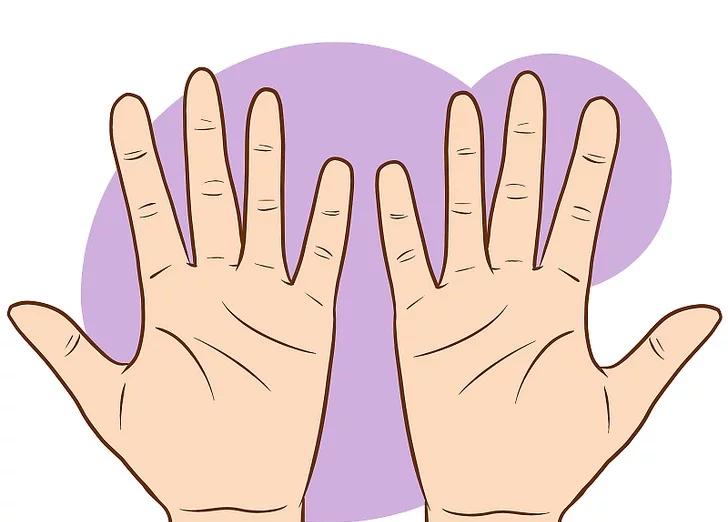
1. Choose a hand
In palmistry, it is thought that:
- For women, the right hand is what you're born with, and left is what you've accumulated throughout your life.
- For men, the left hand is what you're born with, and the right is what you've accumulated throughout your life.
adv_slot_container
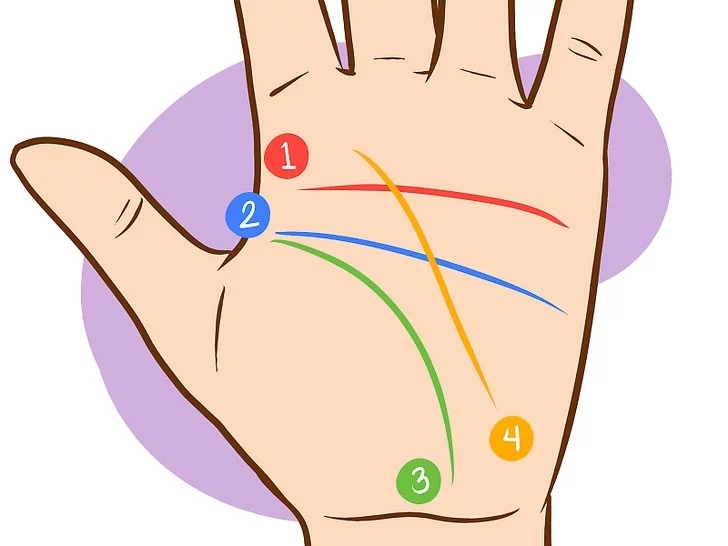
2. Identify the four major lines
There may be breaks in them, or they may be short, but at least three of them are there.
- The heart line
- The headline
- The lifeline
- The fate line
3. Interpreting Each Hand Line
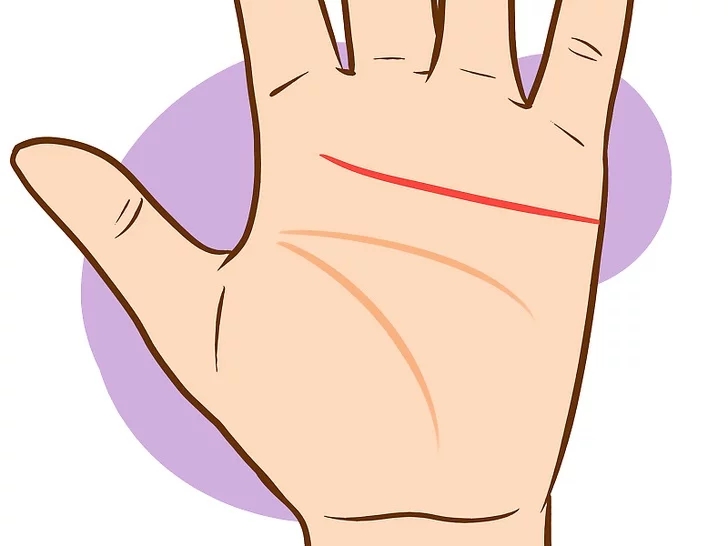
(1) The heart line indicates emotional stability, romantic perspectives, depression, and cardiac health.
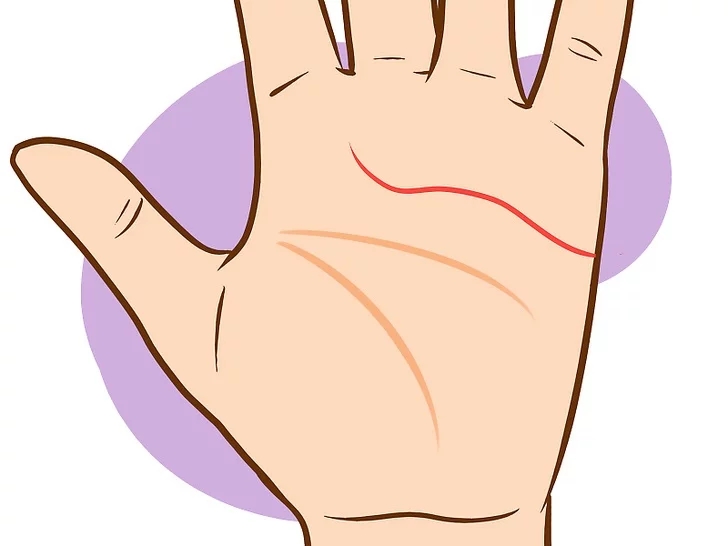
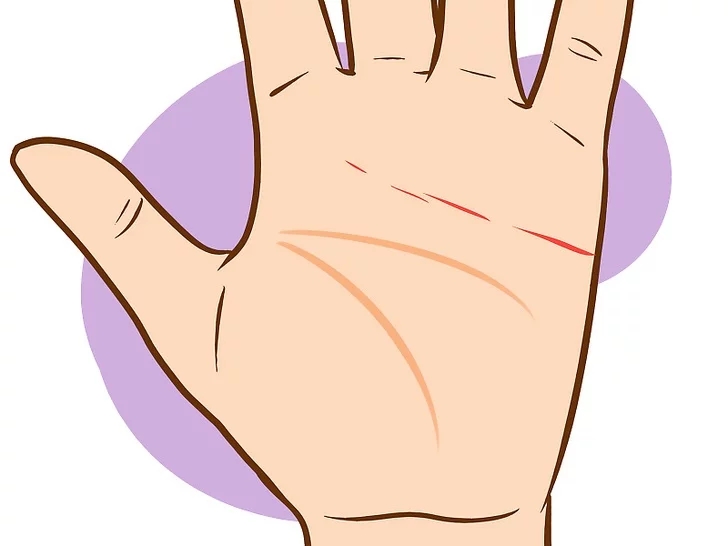
The heart line is located above the head line and begins near the base of the little finger, extending up toward the index finger. This line is associated with your emotional life as well as the physical condition of your heart.
This line can be read in either direction (from the pinkie finger to the index finger or vice versa), depending on the tradition followed. The basic interpretations are as follows:
- Begins below the index finger - content with love life
- Begins in the middle - falls in love easily
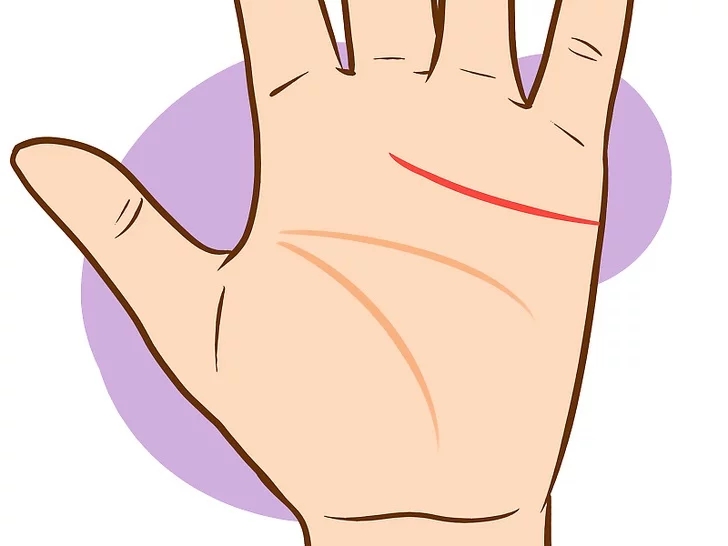
- Straight and short - less interest in romance
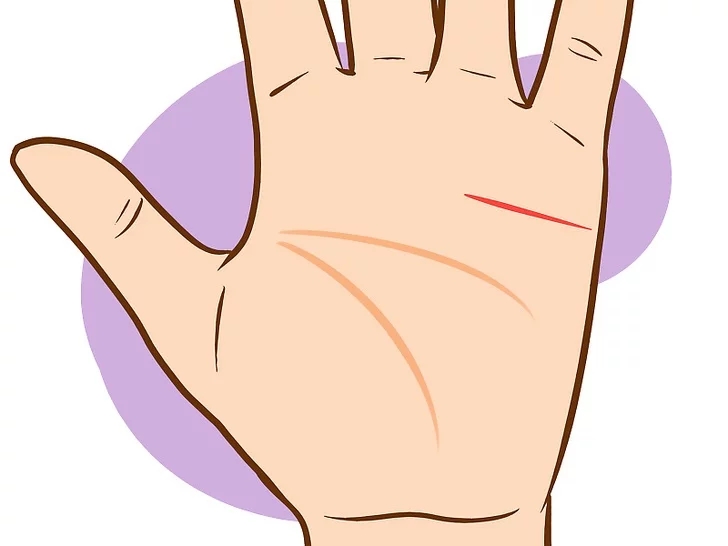
- Touches life line - heart is broken easily
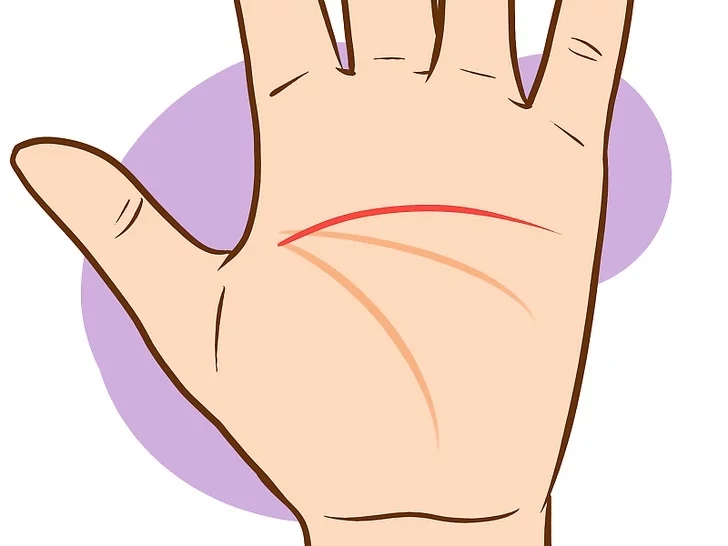
- Long and curvy - freely expresses emotions and feelings
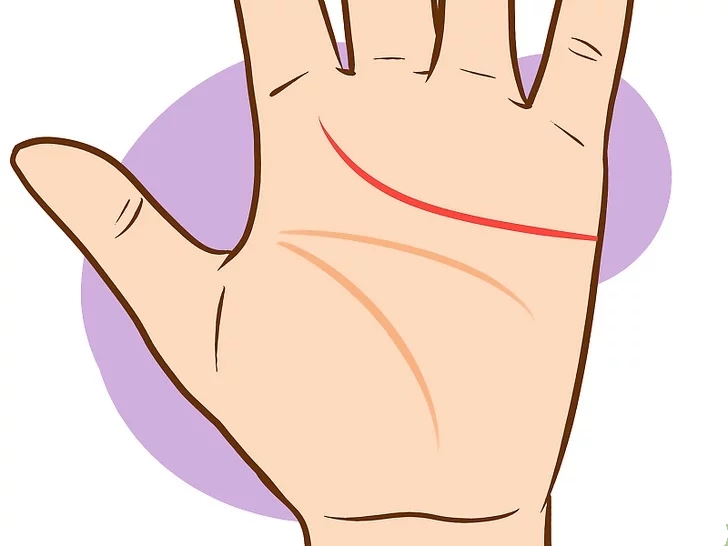
- Straight and parallel to the head line - good handle on emotions
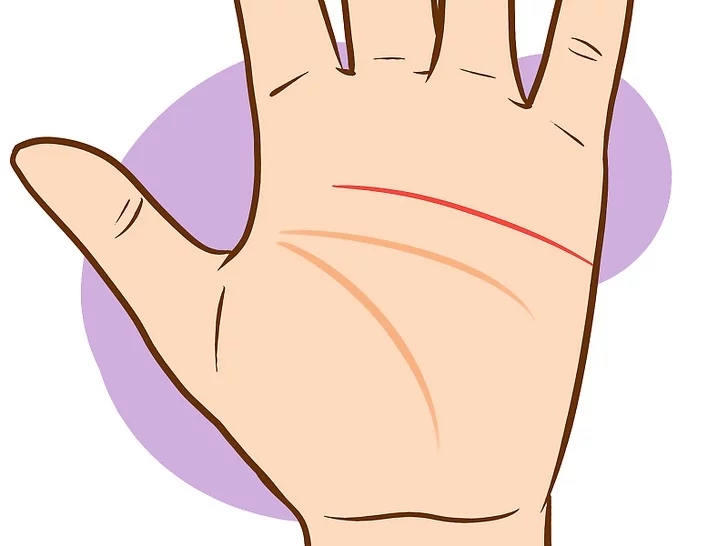
- Wavy - many relationships and lovers, absence of serious relationships
- Broken line - emotional trauma, infidelity, or divorce
(2) The head line represents a person's learning style, communication approach, intellectualism, and thirst for knowledge.
A curved line is associated with creativity and spontaneity, while a straight line is linked with practicality and a structured approach. The basic interpretations are as follows:
- Short line - prefers physical achievements over mental ones
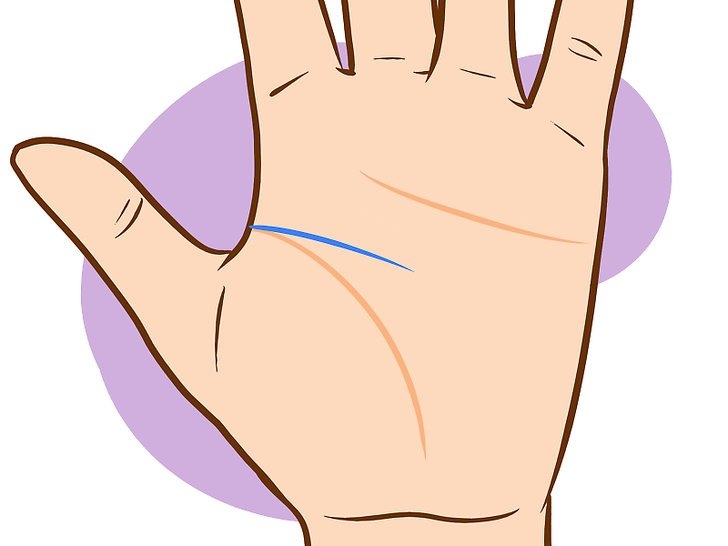
- Long and straight - a strong, logical, clear mind with an excellent memory
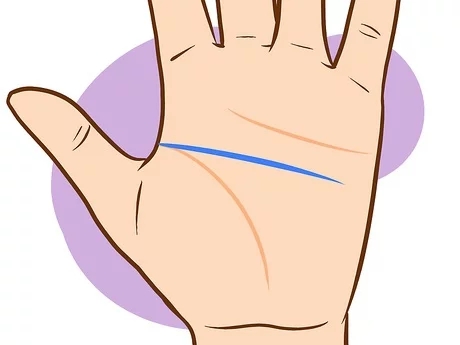
- Curved and sloping - thinking leans towards creativity with a vivid imagination
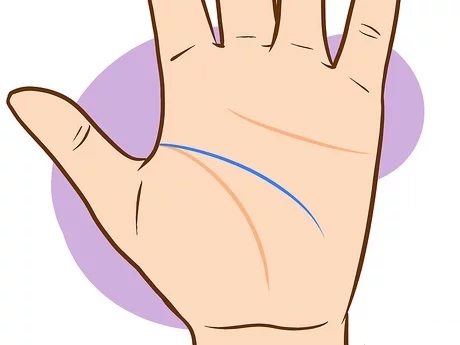
- Broken line - mental tension or a time when you “change your mind.”
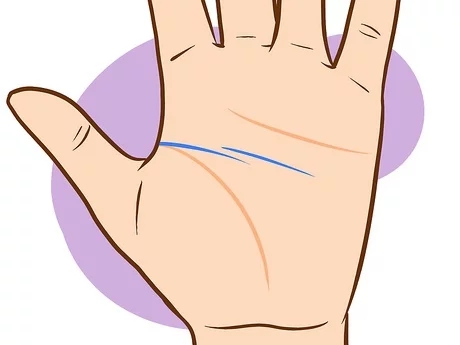
- Multiple crosses through head line - momentous decisions
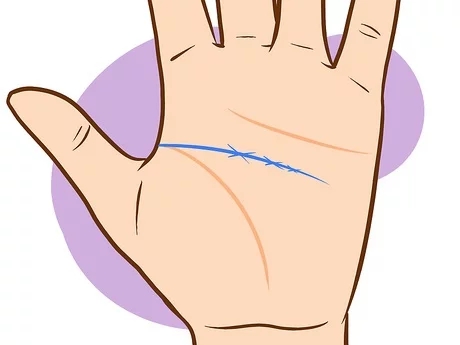
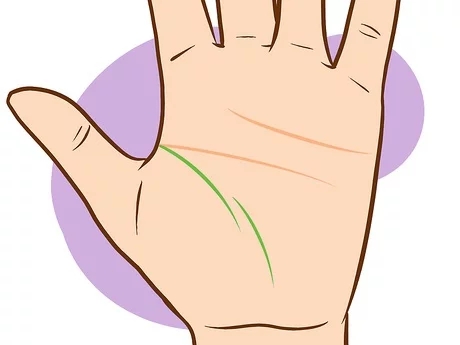
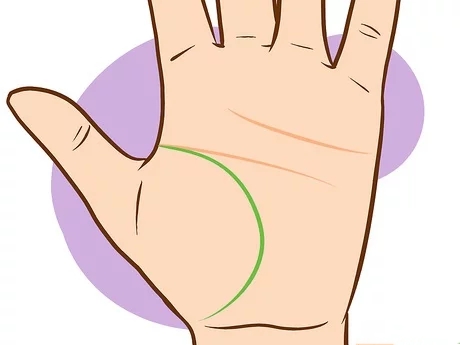
(3)The life line reflects physical health, general well-being, and major life changes.
For example, it can reflect cataclysmic events, physical injuries, and relocation. This begins near the thumb and travels in an arc toward the wrist. Its length is not associated with length of life. The basic interpretations are as follows:
- A long, deep line - robust health, resilience, and a life filled with interesting experiences
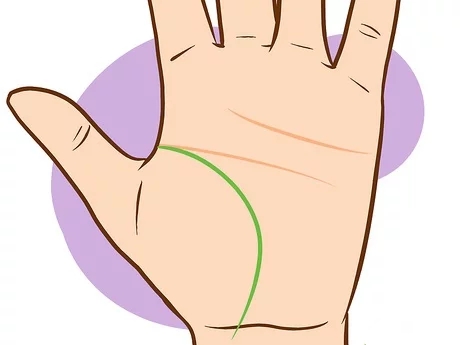
- A faint or shorter line - easily get fatigued and needs to recharge from time to time
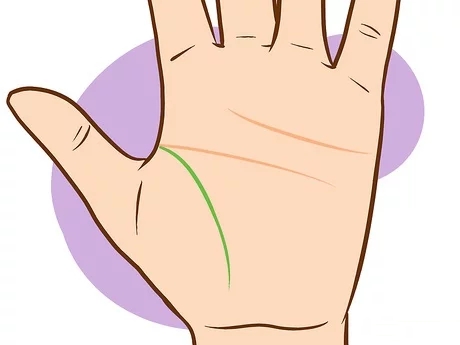
- A broken line - a change in your life or might warn of a time when you need to be careful
- Swoops around in a semicircle - strength, and enthusiasm
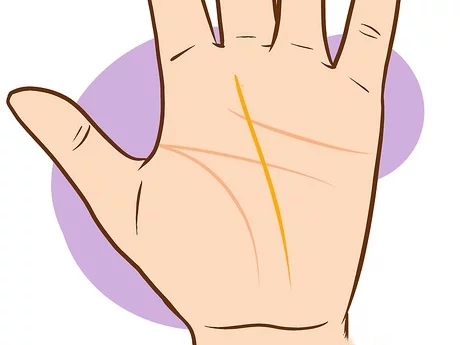
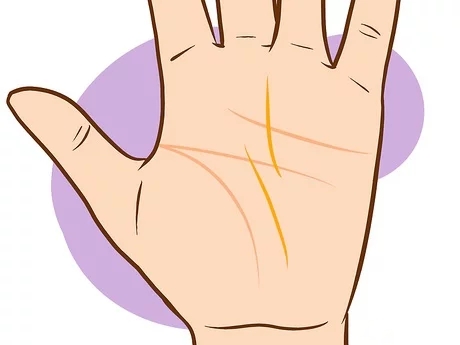
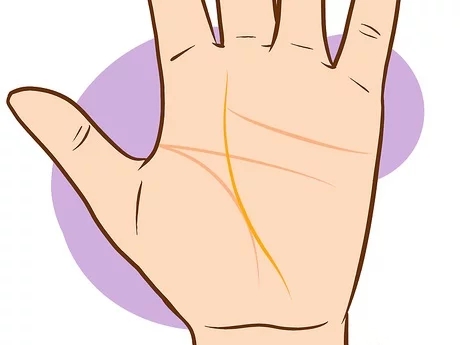
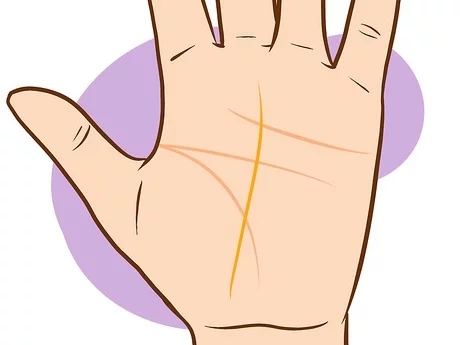
(4) The fate line is also known as the line of destiny.
It indicates the degree to which a person's life is affected by external circumstances beyond their control. This line begins at the base of the palm. The basic interpretations are as follows:
- Long and deep - have a mission or a strong sense of purpose. There may be an element of fate in your destiny or career choice
- A broken line - suggests changes or obstacles, indicate that your future isn't determined by fate but by hard work instead
- Joins with the lifeline around in the middle - signifies a point at which one's interests must be surrendered to those of others
- Starts at the base of the thumb and crosses lifeline - support offered by family and friends
4. Determine the hand shape
Each hand shape is associated with certain elements and character traits. The palm length is measured from the wrist to the bottom of the fingers. The basic interpretations are as follows:
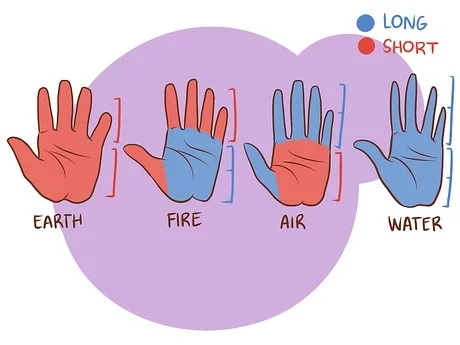
(1) Earth Hands - broad, square palms and fingers, thick or coarse skin, and ruddy color; length of the palm equals the length of fingers.
- Solid values and energy, sometimes stubborn.
- Practical and responsible, sometimes materialistic.
- Work with their hands, comfortable with the tangible.
(2) Air Hands - square or rectangular palms with long fingers and sometimes protruding knuckles, low-set thumbs; length of the palm less than the length of fingers. Some live in their heads, while others have a tendency to worry.
- Sociable, talkative and witty.
- Can be shallow, spiteful and cold.
- Comfortable with the mental and the intangible.
(3) Water Hands - long, sometimes oval-shaped palm, with long, flexible, conical fingers; length of the palm equals the length of fingers but is less than the width across the widest part of the palm. Artists, musicians, and healers may have Water hands.
- Creative, perceptive and sympathetic.
- Can be moody, emotional and inhibited.
- Introverts.
(4) Fire Hands - square or rectangular palm, flushed or pink skin, and shorter fingers; length of the palm is greater than the length of fingers. Fire hands are firm to the touch with defined lines and often warm. These individuals are natural leaders and risk-takers, though prone to impulsivity.
- Spontaneous, enthusiastic and optimistic.
- Sometimes egoistic, impulsive and insensitive.
- Extroverts.
Conclusion
Palmistry requires a great deal of study to cover all of its components, but if you’re patient, it won’t be long before you grasp it! The above is just a partial knowledge of palmistry, isn't it simple? If you learn it, take a look at your own palm or help your friends to see it!

RECOMMEND ARTICLES

Birth Flowers Explained: Find Your Month's Hidden Symbolism!
What’s Your Fatal Flaw: The Personality Trait That Could Be Your Downfall!
How Childhood Traumas Shape Adult Relationships: A Psychological Exploration!

The Hidden Truths Behind School Bullying: What You Need To Know!
Negative Energy At Home: 7 Common Things To Remove!
Typical Signs That Your Home Might Have A Ghost!

These Experiences Prove Your Parallel Self Is Contacting You!

What Your Dreams Really Mean: 9 Common Interpretations Revealed!
Find Solace In Solitude: 7 Ways To Deal With Loneliness!
11 Signs That May Indicate You Have Depression!
Most Read
How To Use Zodiac To Discover Who You Were In Your Past Life: Beginner’s Step-by-Step Guide

How To Acquire More Lesser-Known Facts About The World Cup And Improve Your Understanding Of It

How To Predict Your Marriage Timeline Using Palmistry: A Beginner’s Guide
What 2026 Has In Store For You Based On Your Zodiac Sign?

Navigating Senior Housing Options For The 55+ Community