 hot topic
Indian Culture Unveiled: Some Facts You Need To Know!

When it comes to cultural richness, few countries can rival the incredible diversity of India. With a history that spans thousands of years and traditions that have shaped civilizations, Indian culture is a colorful mosaic of religions, languages, art, music, food, and more. From spiritual practices to spicy street food, every corner of India tells a different story.
Let's peel back the curtain and explore fascinating — and perhaps lesser-known — facts that offer a deeper look into the magic of Indian culture.
adv_slot_container
1. Harmony in Diversity: A Land of Many Faiths
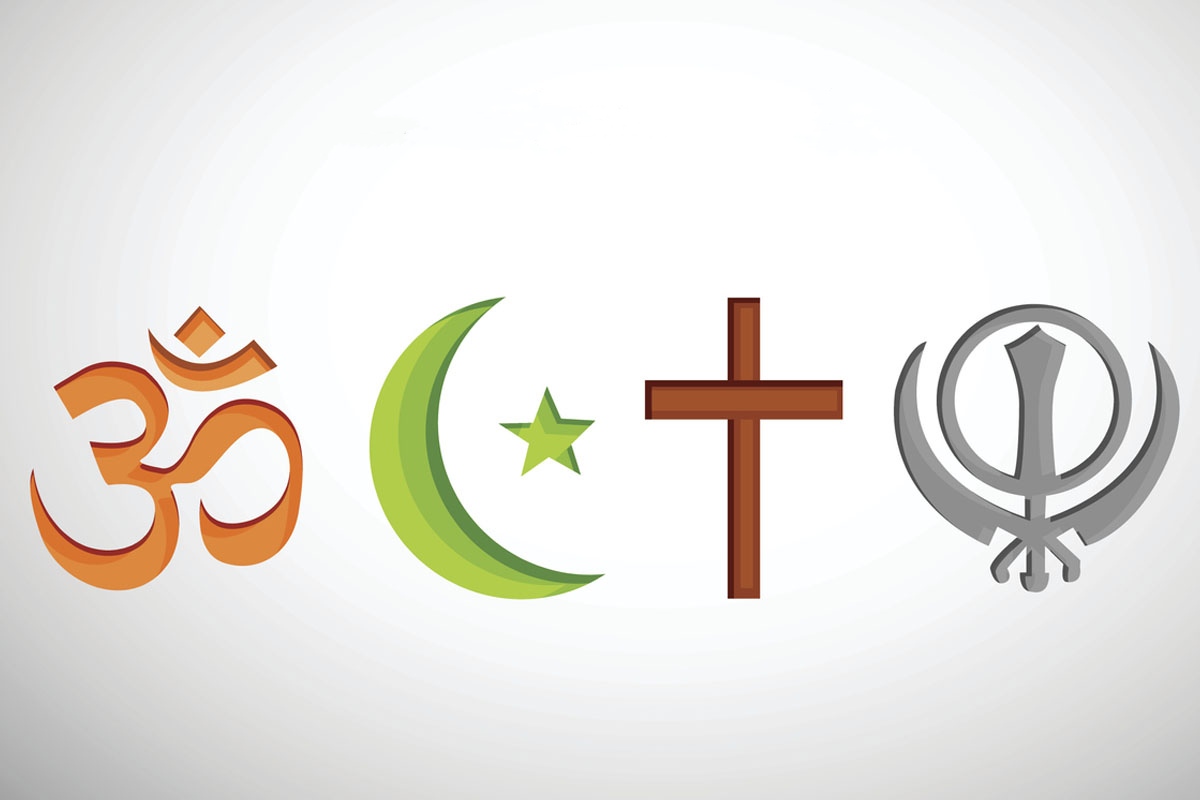
India is the birthplace of several major religions, including Hinduism, Buddhism, Sikhism, and Jainism. And it doesn't stop there — Islam, Christianity, Judaism, and Zoroastrianism also have deep roots in Indian society. What makes this even more incredible is the way these diverse religions coexist, often side by side, in everyday life.
Take festivals, for example: Diwali, the Hindu festival of lights, is celebrated with just as much joy as Eid and Christmas in many Indian neighborhoods. Holi, the festival of colors, brings people of all faiths together in a giant, joyful color fight. India's iconic architecture also reflects this spiritual diversity, with landmarks like the majestic Taj Mahal (a Muslim tomb), the Golden Temple (a Sikh holy site), and countless Hindu and Buddhist temples scattered across the land.

2. Fashion with a History: Traditional Clothing Styles
Indian fashion is a feast for the eyes — bright colors, intricate embroidery, flowing fabrics — and every piece tells a story. The sari, worn by millions of Indian women, is more than just a beautiful garment; it's a symbol of grace and cultural identity. In Punjab, men and women wear vibrant Punjabi suits, while in South India, traditional veshti and half-sarees are more common.
adv_slot_container
What's fascinating is how these styles vary dramatically from one region to another, shaped by climate, history, and local customs. And in modern times? Designers are blending traditional fabrics with contemporary cuts, creating a whole new genre of "Indo-Western" fashion that's trending around the world.
3. Spice It Up: The Magic of Indian Cuisine
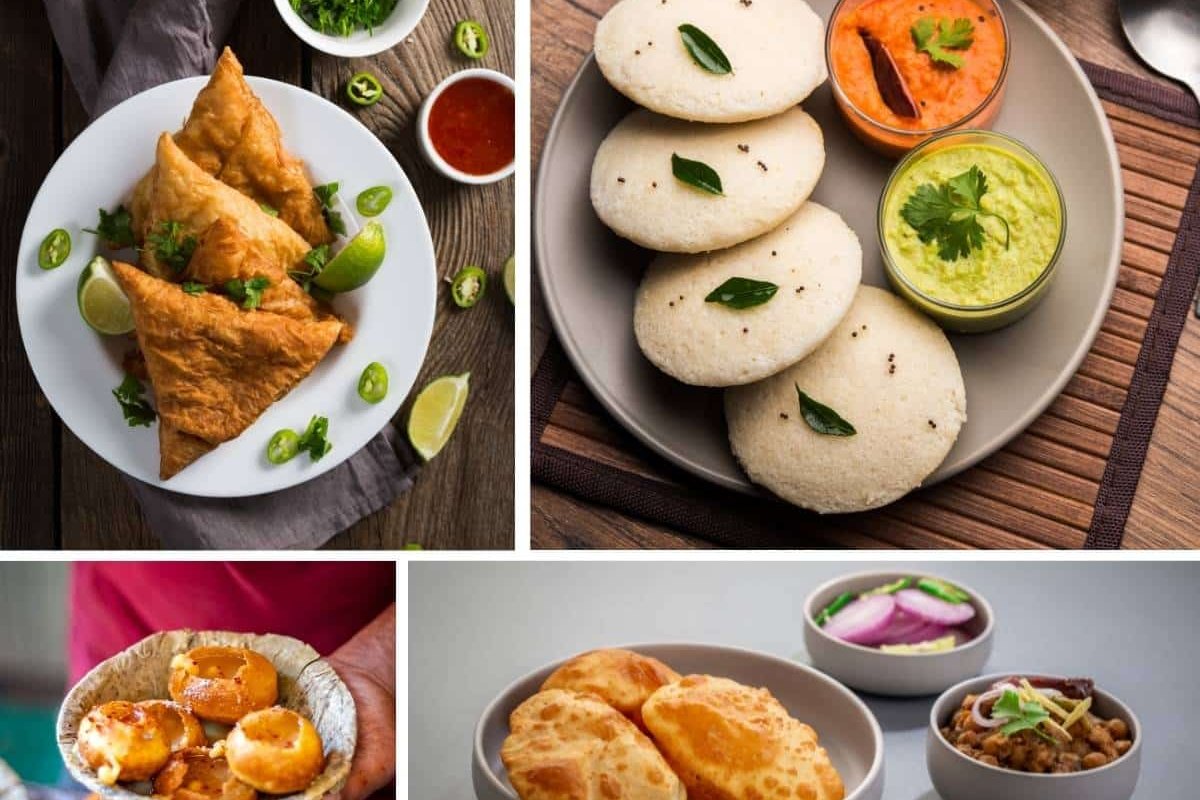
Indian food is a flavor explosion that no foodie should miss. But did you know that "Indian cuisine" actually includes dozens of regional styles? North Indian dishes often feature creamy gravies and flatbreads like naan and roti, while South Indian cuisine leans towards spicy stews like sambar and crispy dosas. The east and west have their own flavorful traditions too, from Bengali fish curries to Goan vindaloo.
Spices are the heart of Indian cooking — think turmeric, cumin, cardamom, and garam masala — not just for flavor, but for their health benefits and symbolic meanings. And let's not forget the street food: pani puri, chaat, vada pav... they're not just snacks, they're experiences!
4. Dance and Music: Where Tradition Meets Rhythm
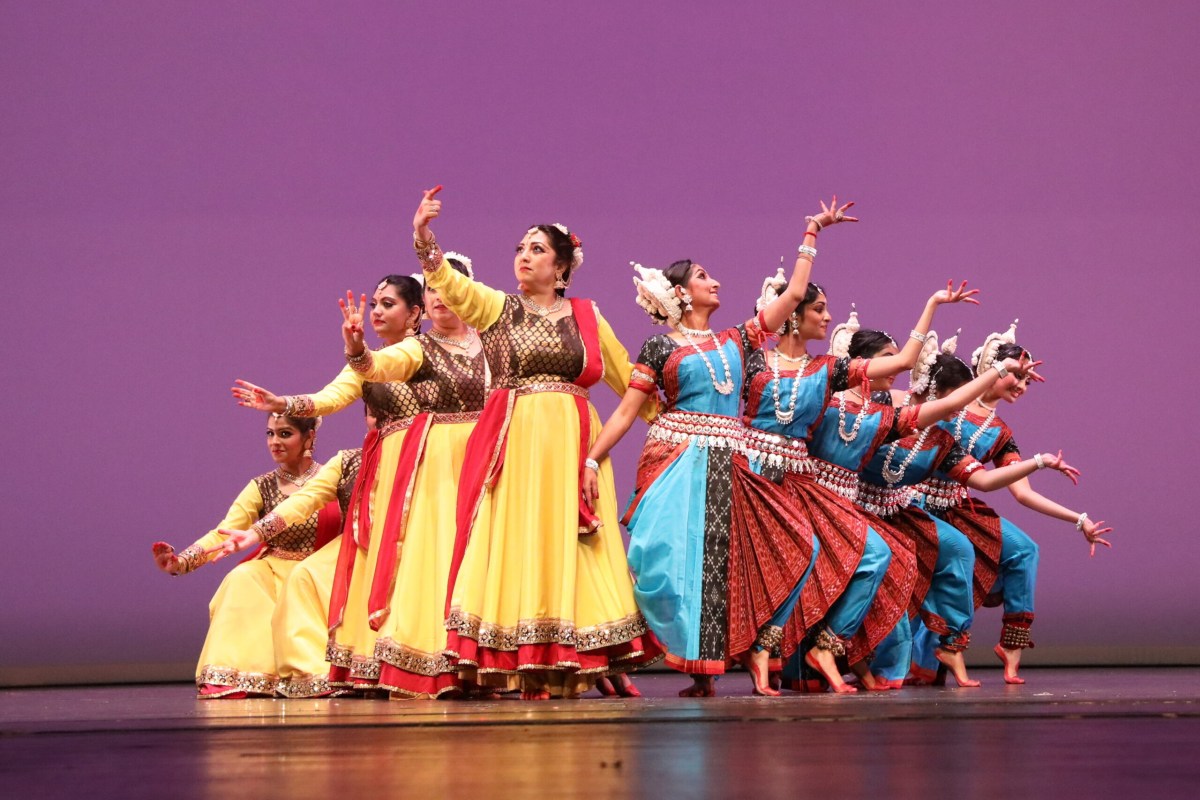
In India, dance is not just movement — it's storytelling. Classical dances like Bharatanatyam, Kathak, and Odissi use precise gestures and expressions to portray myths and emotions. Each has its roots in ancient temples and spiritual practices.
Indian classical music, built around ragas (melodic frameworks) and talas (rhythmic cycles), is just as intricate and soulful. But traditions don't mean being stuck in the past — Bollywood has fused classical elements with modern beats, creating vibrant performances that captivate global audiences and keep the rhythm of tradition alive.

5. Wellness Wonders: Yoga and Ayurveda Go Global
Yoga is probably India's most famous cultural export, now practiced by millions worldwide for its physical and mental benefits. But in India, it's more than just stretching — it's a path to inner peace and spiritual enlightenment. Whether you're mastering sun salutations or meditating under a tree, yoga embodies a holistic way of life.
Then there's Ayurveda, India's ancient system of medicine that focuses on balance between mind, body, and spirit. Using herbs, oils, and dietary routines, Ayurveda promotes healing in natural ways — and it's gaining traction globally as people seek more sustainable and mindful health practices.

6. Weddings: Big, Beautiful, and Full of Meaning
If you think Western weddings are elaborate, wait until you see an Indian one. Indian weddings are vibrant multi-day affairs filled with rituals, music, dancing, and enough food to feed a small army. And no two weddings are the same.
North Indian weddings might feature a baraat (groom's parade on a horse), while South Indian ceremonies often take place at sunrise with sacred fire rituals. One thing they all share: symbolism. The red sindoor (vermillion) in the bride's hair, the henna-covered hands, the seven steps around the fire — each gesture is steeped in meaning and tradition.
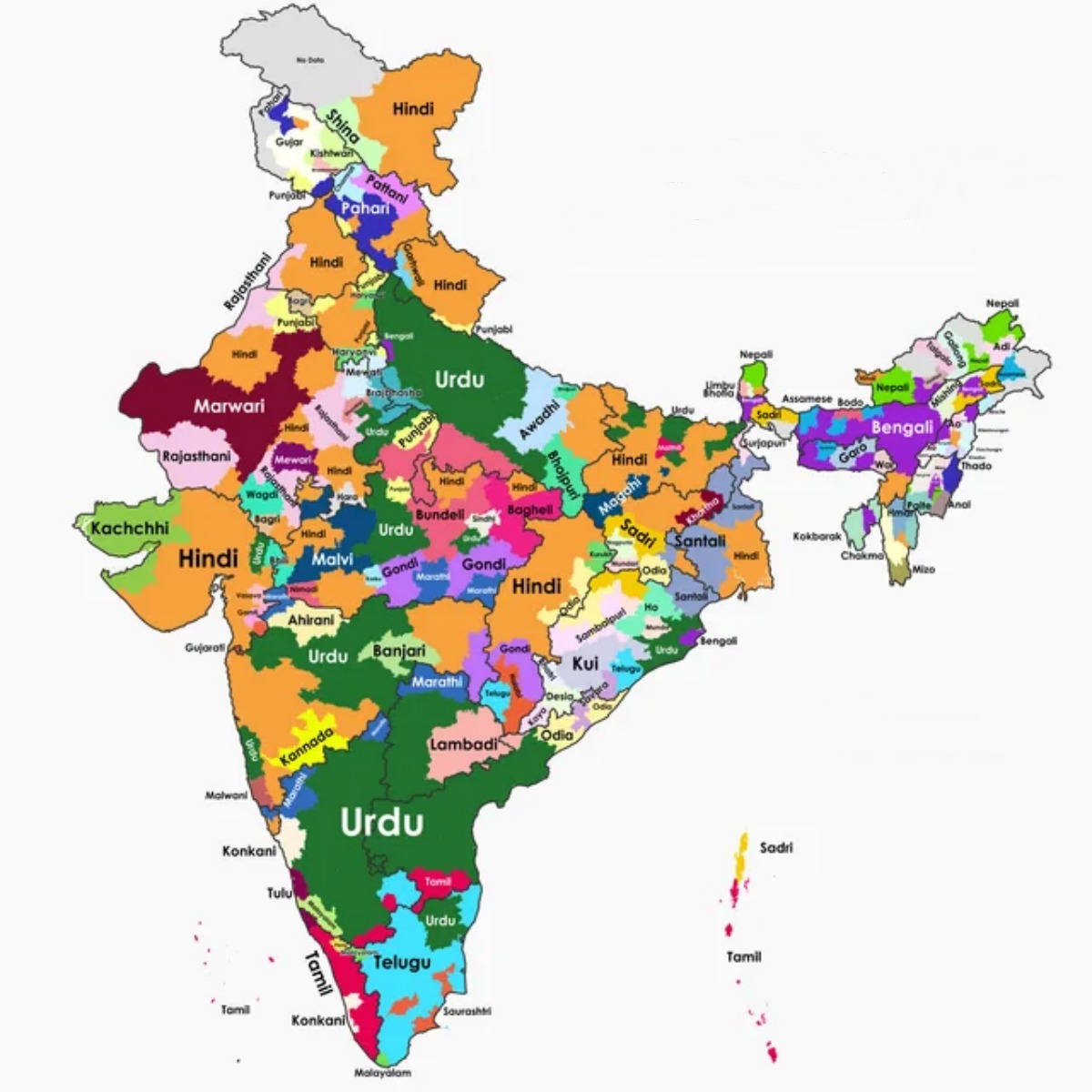
7. A Tapestry of Tongues: Language and Literature
India is home to 22 officially recognized languages and hundreds of dialects — a linguistic paradise! From Hindi to Tamil, Bengali to Telugu, each language carries its own literary tradition and cultural history.
Ancient epics like the Mahabharata and the Ramayana continue to influence art, theater, and philosophy, even today. Meanwhile, modern Indian authors like Rabindranath Tagore (the first Asian Nobel laureate) and Arundhati Roy have earned global acclaim, proving that Indian storytelling continues to evolve and inspire.
Conclusion
Indian culture is a living, breathing wonder — at once ancient and modern, diverse yet united. Whether you're savoring a spicy samosa, grooving to a Bollywood tune, or practicing your downward dog, you're experiencing a piece of India's vast cultural legacy.
So next time you hear about India, don't just think of curry and yoga. Dive deeper. Explore the stories, colors, sounds, and flavors that make this country one of the most culturally rich places on Earth.


RECOMMEND ARTICLES
Birthstone Meanings: More Than Your Birth Month’s Hashtag

Test How Many People Have The Same Name As You?
Discover Your Birth Runes: What Do They Really Mean?

Decode 7 Fascinating Fingerprint Types And What They Mean!

Rare Or Common? The Truth About Your Name In 2025

2025's Hottest Antivirus Apps: Stay Safe Online With These Picks!

The Hidden Meanings Behind Your Birthmark: What Do They Really Signify?
Cats And Emotional Well-being: How They Shape Our Lives!

10 Unique Army Uniforms Around The World You Need To See!

Discover The World's Most Unique Traditional Attire!
Most Read

How To Win Every Match In Roblox Verity: Step-by-Step Tips & Tricks

How To Find And Nurture True Love In 2026

Click On The Photo Frame To See How Special You Are.

How To Unlock And Enjoy New Items In Avatar World Safely

10 Unspoken Rules Of Friendship Every Adult Needs To Know!