 hot topic
The Psychology Behind Knots: Why Do They Hold Such Power Over Us?

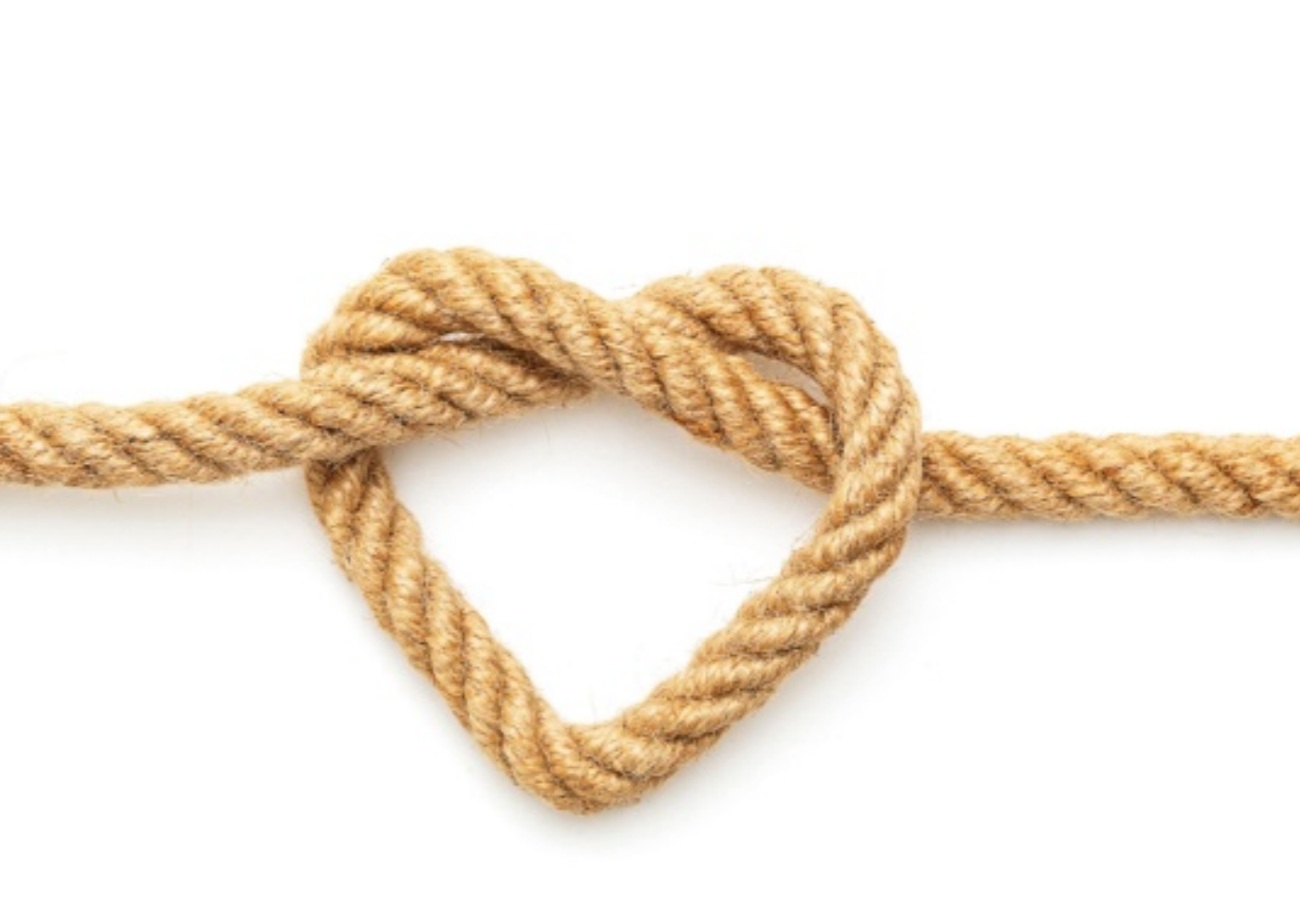
Rope Knots are everywhere — in shoelaces, necklaces, sailor ropes, friendship bracelets, and even in our hearts. They've been with us since prehistoric times, helping humans tie, bind, build, and remember. But beyond their everyday practicality lies a deeper, often overlooked dimension: the emotional and psychological pull knots have on our minds.
Why do knots make us feel connected — or trapped? Why do we use them as symbols in weddings, religions, and even personal struggles?
adv_slot_container
1. More Than Just Rope: The Symbolic Power of Knots
Practical Origins
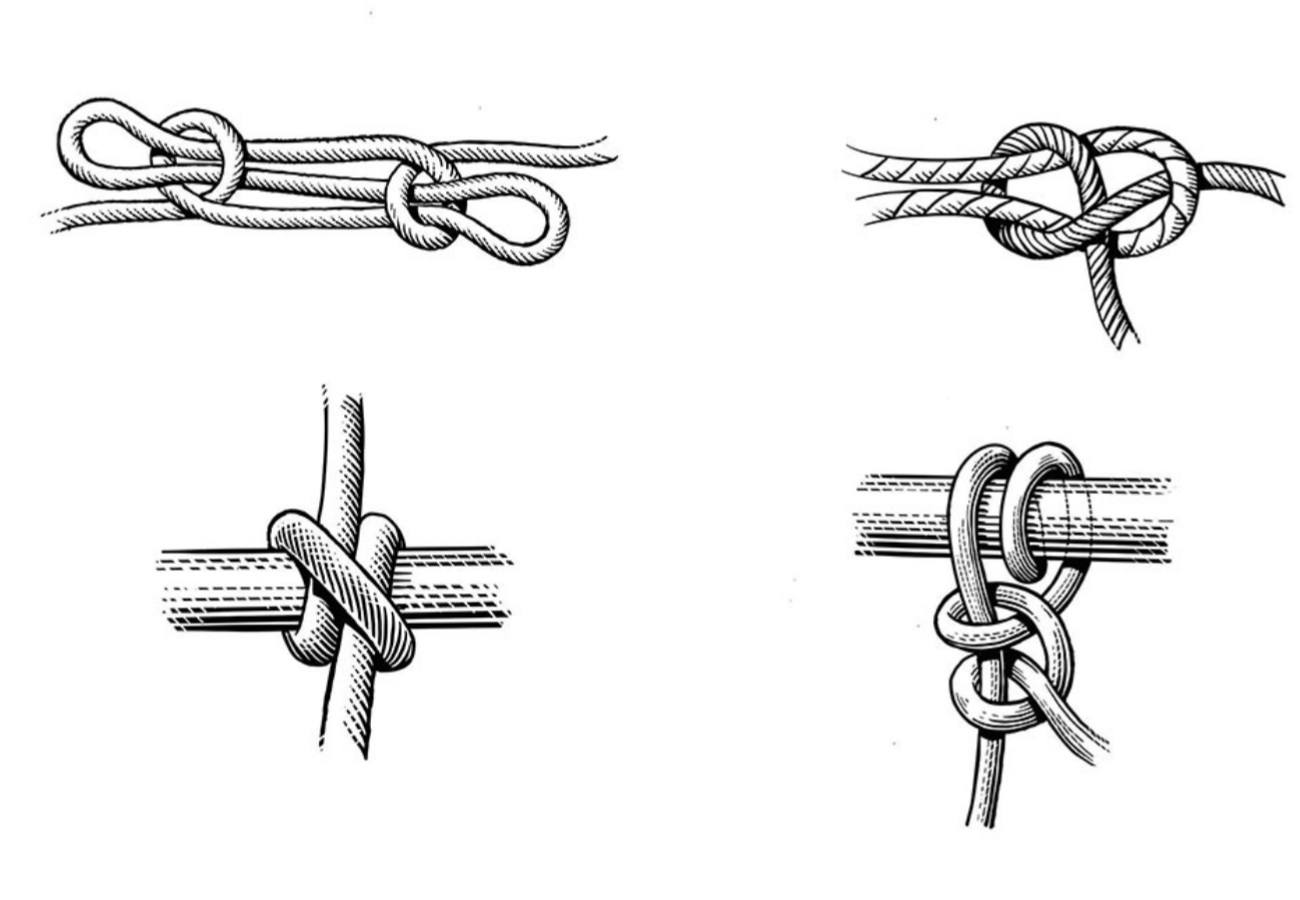
Knots began as tools — simple, efficient, and vital. They secured sails to masts, stones to spears, and food in baskets. From ancient Egyptian riggings to Inca quipus (knotted string records), knots were a technology of survival. Their function was purely practical — to hold things together. But that's only the start.
Spiritual Meanings
Over time, the knot evolved into a potent symbol. A tied knot could mean connection, promise, or even imprisonment. Think of the phrase "tying the knot" — a symbolic act of binding two people in marriage. Or the phrase "knotted with worry," which captures how emotions twist and tangle inside us.
A Global Language of Knots
Different cultures have different knots — not just in form, but in meaning.
In Chinese tradition, knots symbolize luck and unity; the more loops, the more blessings.
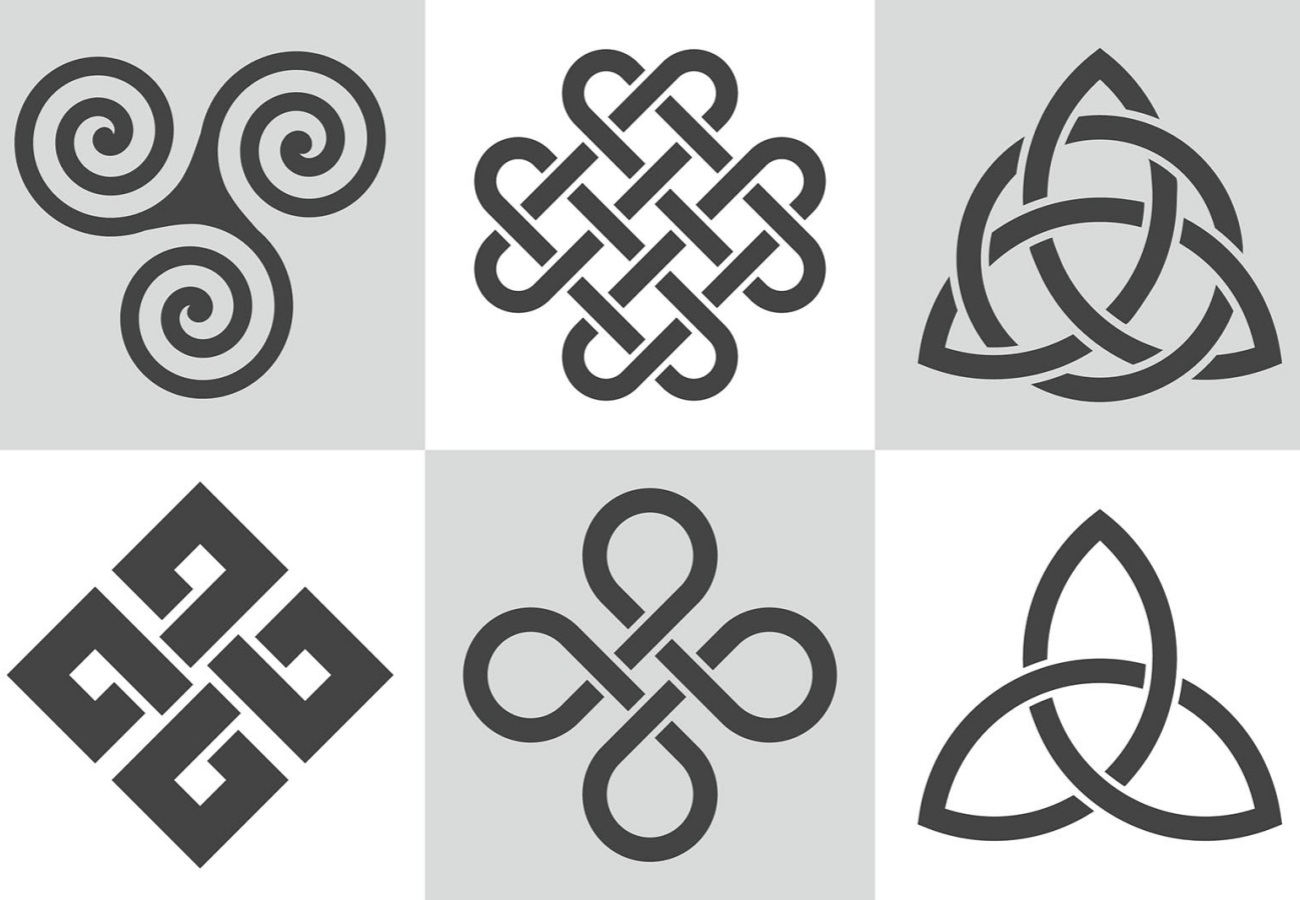
Celtic knots, often endless in design, represent eternity and interconnectedness.
In Japanese culture, the mizuhiki knot is used in ceremonial gift wrapping to show respect and intention.
Knots transcend language. They are silent metaphors that communicate feeling, culture, and even fate.
adv_slot_container
2. The Brain on Knots: Psychological Attraction and Meaning
Visually Pleasing Complexity
There's something oddly satisfying about a well-tied knot. The symmetry, the loops, the logic. Our brains crave order, and knots offer structured complexity. They're like puzzles we can see and touch. The visual appeal stimulates parts of our brain responsible for pattern recognition and aesthetic pleasure. It's why macrame videos and knot-tying tutorials are weirdly relaxing.
Emotional Metaphors
When we say someone is "all tied up," it's rarely about rope. Knots have become a way to talk about emotions: being tangled in a situation, feeling tied down by responsibility, or needing to "untie" oneself from the past. Psychologically, we use knots to project and understand our emotional states. A tight knot can feel like anxiety. A loose one? Relief.
Cognitive Framing
Knots also act as cognitive metaphors. Solving a "knotty" problem involves mental effort, persistence, and sometimes, letting go. Just like real knots, emotional and intellectual dilemmas can be complex but solvable — if we're willing to look closely, be patient, and sometimes start over.
3. Rituals and Healing: Knots as Tools for the Soul
Sacred Binds
From wedding rituals to mourning ceremonies, knots are often central elements in rites of passage. Handfasting (tying hands together during weddings) is practiced in Pagan and Celtic ceremonies as a sign of spiritual unity. In some Buddhist traditions, sacred knots are tied to symbolize prayers or blessings. In these moments, the knot is more than a physical object — it becomes a spiritual contract.
Therapeutic Touch
There's something calming about tying a knot — the rhythm, the repetition, the focus. That's why knotting practices like macrame, paracord weaving, or even crocheting can be therapeutic. In psychology, tactile tasks like these are used in stress management and mindfulness therapy. It grounds the person. One knot at a time.
Unknotting the Psyche
The act of untying a knot is symbolic too. It represents clarity, release, and resolution. When people say they've "untangled their thoughts" or "loosened the grip" of an emotional burden, the metaphor is very real. Knots can be both the problem and the solution.
4. Knots in Modern Culture: Art, Mindfulness, and Marketing
Creative Expressions
Knots are more than functional now — they're fashionable. From the intricate braids in runway fashion to knotted installations in galleries, artists use knots to symbolize human experience. The tension and release, the control and chaos. It's tactile storytelling.
Psychology Meets Practice
Therapists sometimes use rope work or symbolic knotting in sessions. Known as "knot therapy," it invites clients to physically represent their emotional entanglements. Meditation practices also use knots — tying one for each breath or thought — helping practitioners stay present.
Branding With Meaning
Even in marketing, knots carry weight. Think of logos with intertwining elements — they often suggest unity, strength, or tradition. Whether it's a luxury scarf tied just right or a climbing brand logo resembling a knot, the subconscious messaging is clear: this holds strong, just like a good knot.
5. Why Knots Still Matter — And Always Will
Wired for Connection
Humans are social beings. We crave connection — emotional, physical, symbolic. Knots represent that primal need to hold on, to be held, to tie ourselves to others. Whether it's a friendship bracelet or a wedding ring, knots echo our desire to belong.
Carriers of Memory
Knots can carry stories. A sailor's knot may remind them of their first voyage. A string around the finger might symbolize something not to forget. In this way, knots become personal time capsules, holding not just rope but meaning.
Conclusion
Knots are more than practical tools or pretty decorations — they're rich psychological symbols. They bind, they protect, they represent the twists of our emotions and the connections we hold dear.

RECOMMEND ARTICLES
Birth Flowers Explained: Find Your Month's Hidden Symbolism!
Bipolar Disorder And Depression Guide To Understanding And Action
These Experiences Prove Your Parallel Self Is Contacting You!
Your Eye Is Talking: The Hidden Meaning Of Left Eye Twitching!
What Your Dreams Really Mean: 9 Common Interpretations Revealed!
Chinese Zodiac Match: Which Sign Should You Actually Date?
Aging With Ease: Your Guidance For The Challenges Ahead!
Find Solace In Solitude: 7 Ways To Deal With Loneliness!
11 Signs That May Indicate You Have Depression!
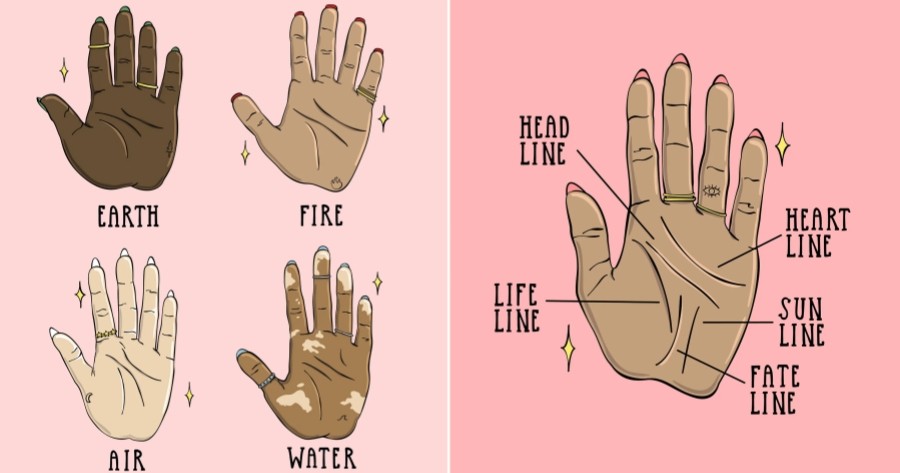
How To Read Palms Like A Pro: 5-Minute To Decode Your Life!
Most Read
How To Snag A Reliable Used SUV Under $10,000 Without Compromising On Safety And Performance
Fitness Apps That Keep You Moving
How To Relieve Eye Strain Caused By Too Much Computer Use: A Practical Guide For Everyone
How To Play Toca Life Without Downloading: A Simple Guide For All Players
How To Find And Explore Minecraft Hidden Structures: A Complete Guide