
 hot topic
8 Unique Wedding Customs Around The World!

You may recognize classic American wedding elements—the bride in white, ring exchanges, and vows ending with "I do"—but globally, love's celebration takes wildly diverse forms.
No matter where an engaged couple lives in the world, they can incorporate traditions particular to their heritage as a way to honor their roots.
Now, take a look at the wedding customs you don't know in other parts of the world. If you want to become them, you might as well try this AI effect.
adv_slot_container
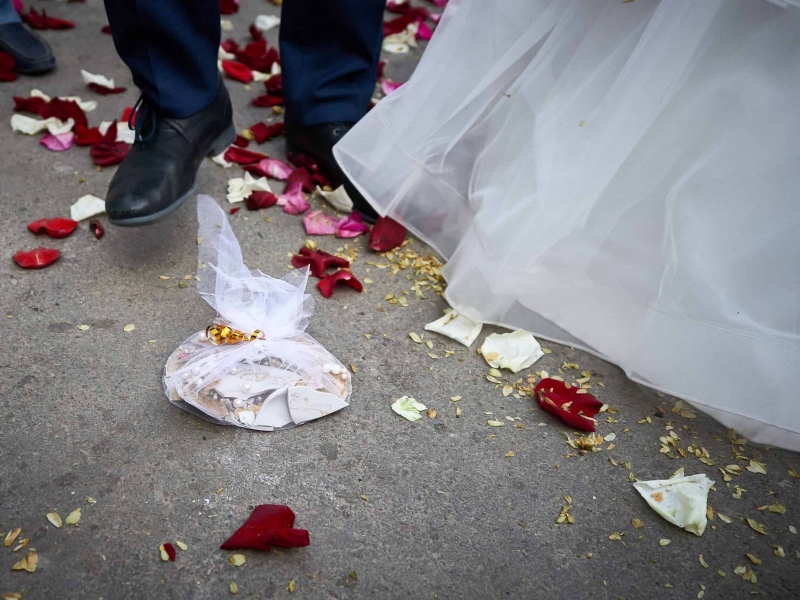
1. Porcelain Smashing – Germany
In Germany, on the night before the wedding day, the couple can host a polterabend, a celebration where guests smash porcelain—usually in front of the bride's home—to ensure good luck for the couple's marriage.
Following the fête, the couple cleans up the broken shards to ward off evil spirits, symbolizing their ability to face hardships together in their married life.
Following the wedding, the newlyweds tread over a trail of fir branches that epitomize their fortunate and fertile future, and complete baumstamm sägen, a ritual where they join forces to saw a log in half. Much like the polterabend cleanup, this wedding custom represents the couple's strength in unity.
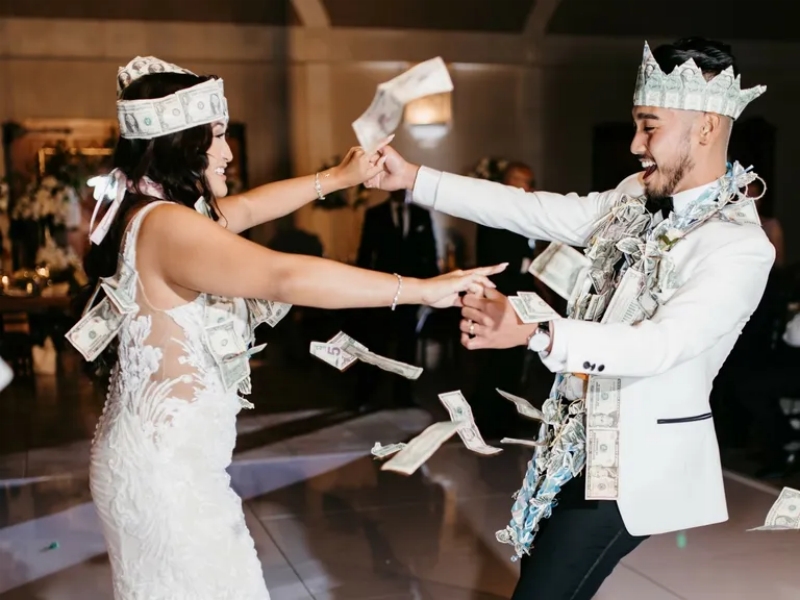
2. Money Dance – Mexico
The money dance is a wedding tradition found in many cultures, and manifests differently depending on the region.
At Mexican weddings, everyone who dances with the bride or groom is expected to pin money on their outfit, a celebratory gesture that contributes to the newlyweds' honeymoon and other wedding expenses.
Another version of this tradition is done in Nigeria, where the couple will be showered with money while they dance. Collectors will then put all their money in bags for the couple to take after the celebration.
adv_slot_container
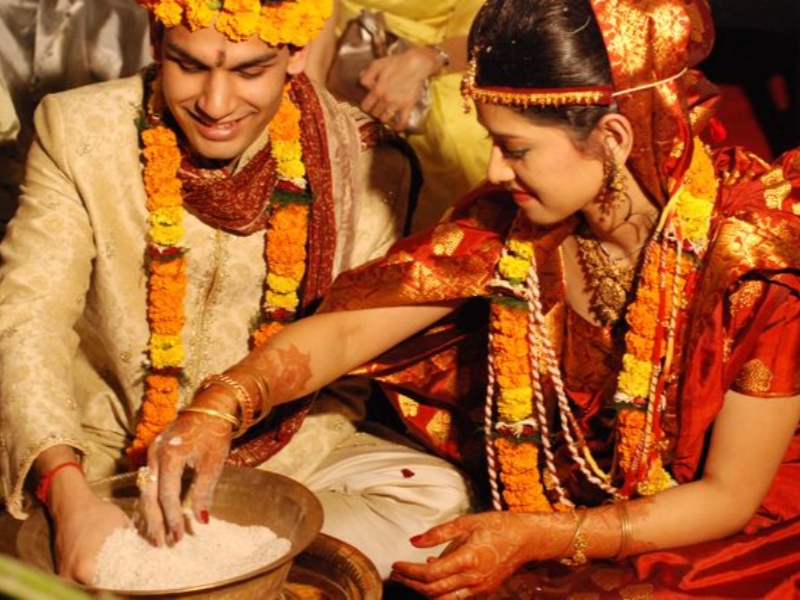
3. Ring-in-the-Rice Game — India
A fun game that is played during Indian wedding celebrations is a rice-in-the-rice game, or angothi khela.
During this game, the couple will search for a ring hidden within a bowl full of rice. The first person who finds the ring has bragging rights over the other spouse and will "rule" their home in the future.
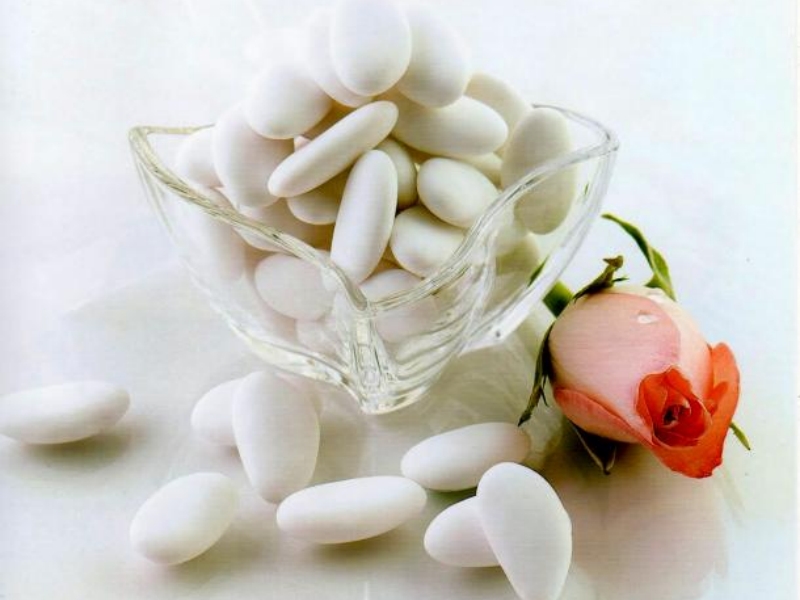
4. Bomboniere Favors – Italy
The end of a wedding is often bittersweet—especially an Italian wedding, where the newlyweds often gift their guests with small party favors, in the form of bomboniere.
Given as a gesture of gratitude, Italian bomboniere is confetti made of sugared almonds that can be wrapped in a tulle bag or boxes adorned with ribbons. The almonds symbolize good luck and the shared love of family life.
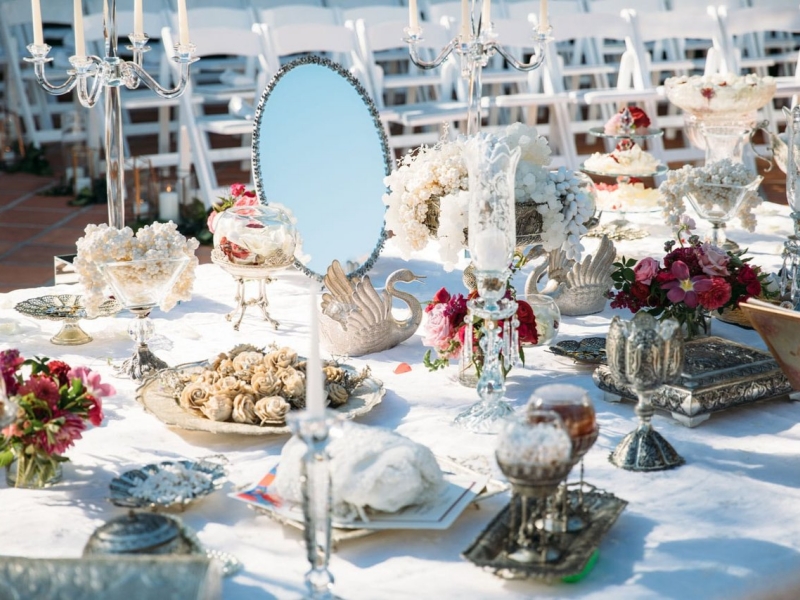
5. Sofreh Aghd – Iran
During a Persian wedding ceremony, known as the Aghd, a couple will sit in front of a table, or Sofreh, full of meaningful items. These represent the shared journey of life that the couple will embark upon.
Traditional items on the table will include two candlesticks signifying light, a mirror representing eternity, nuts and eggs for fertility, and coins for prosperity.
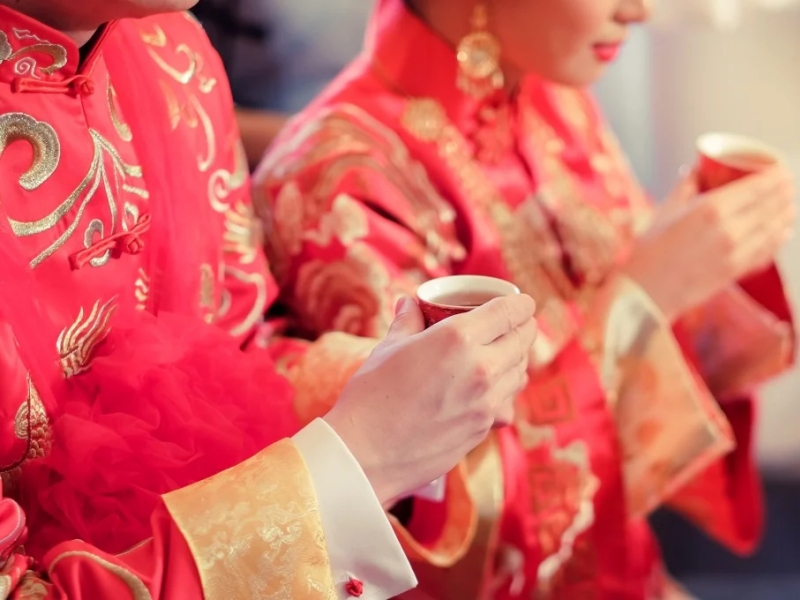
6. Tea Ceremony – China
In Chinese culture, a couple might participate in a tea ceremony with their families. This event involves the couple ceremoniously serving tea to their parents, grandparents, and other members of their extended family.
The couple will usually receive gifts and well wishes in exchange for this show of reverence. It is usually hosted ahead of the wedding ceremony and can often be paired with a rehearsal dinner.
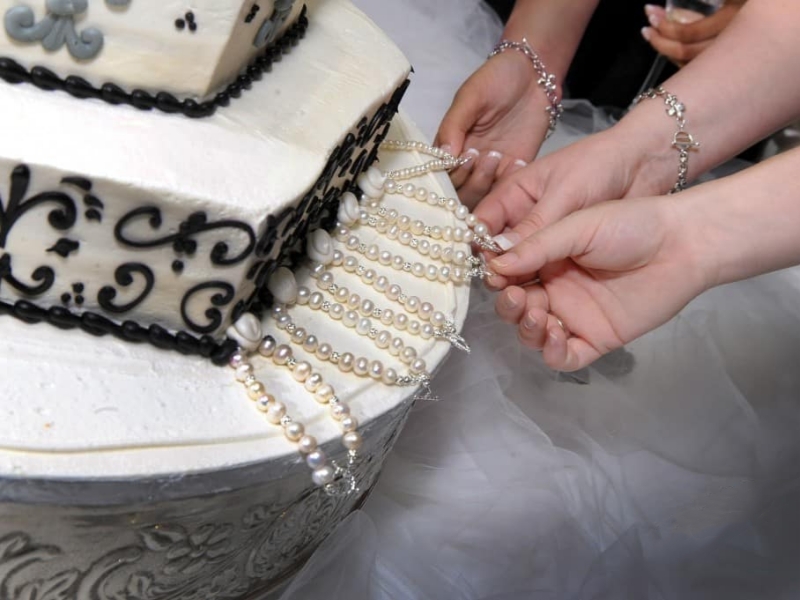
7. Cake Pulling – Peru
In Peruvian wedding receptions, the wedding cake is made up of several layers that are attached to ribbons tethered to charms, while one of the charms is a faux wedding ring.
The "cake pull" tradition, known as the Cintas de la Torta, invites all single women to grab a ribbon. The lucky one who pulls out the fake ring is destined to be the next in line to say "I do." It adds an element of suspense that makes it a fun departure from the standard bouquet throw.
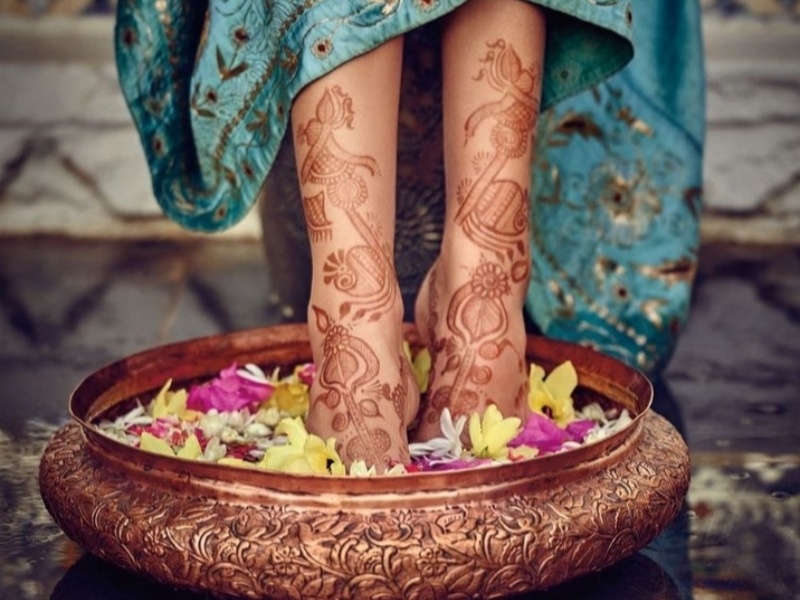
8. Hammam Spa Day and Henna – Morocco
Moroccan pre-wedding rituals typically include the traditional hammam, where the bride-to-be and the women in her inner circle indulge in a spa day of massages, exfoliations, clay masks, perfume prep, and waxing—every beauty treatment a bride might desire to feel her best for her special moment.
A day or two before the wedding celebration comes the henna party, a North African custom observed in both Muslim and Jewish weddings, and typically hosted in the bride's family home.
Attendees greet and snap pictures with the couple, mingle, and dance, all while a henna tattoo artist adorns the bride's hands and feet for good luck. The best part? Everyone is encouraged to get tattooed and revel in some shared fortune.
Conclusion
Whether through laughter, tears, or shattered ceramics, weddings worldwide affirm a universal truth: Love thrives when rooted in stories older than ourselves.


RECOMMEND ARTICLES

How To Find Out Your Soulmate's Name: A Practical, Respectful Guide

Who Has A Crush On You?
What’s The Initial Of Your Crush Name?

Is Your Marriage In Crisis? A Marriage Guide To Change Your Marital Status.

Rebirth In High School: Dumping My Jerk Husband
Cultural Blooms: How Different Regions Interpret The Language Of Flowers!
Uncover The Animal That Speaks The Language Of Love!
Top 5 Trending Hairstyles For A Perfect First Impression On Dates!

Who Is Missing You: A Psychological Dive Into Unseen Connections!

10 Obvious Signs Your Crush Actually Likes You💘
Most Read

Is A 7-Day Summer Trip To Fiji Worth Your Time And Budget In 2024?

How To Unlock Elemental Superpower Photo Effects

How To Get Free CP And Rare Skins In Call Of Duty Mobile For Beginners?

How To Install Free Mods In Among Us

How To Turn On 'Free Chat' In Among Us