
 hot topic
What Does Your Sleeping Position Say About Your Personality?

Sleep is a fundamental aspect of our lives, and the position in which we sleep is not merely a matter of personal preference.
It can actually reveal a great deal about our personality traits and even hint at potential health issues.
This article aims to help readers gain a better understanding of themselves and others by delving into the various common sleep positions, exploring their associated personality characteristics and health impacts.
Take this test, to see what your sleep position says about you?
adv_slot_container
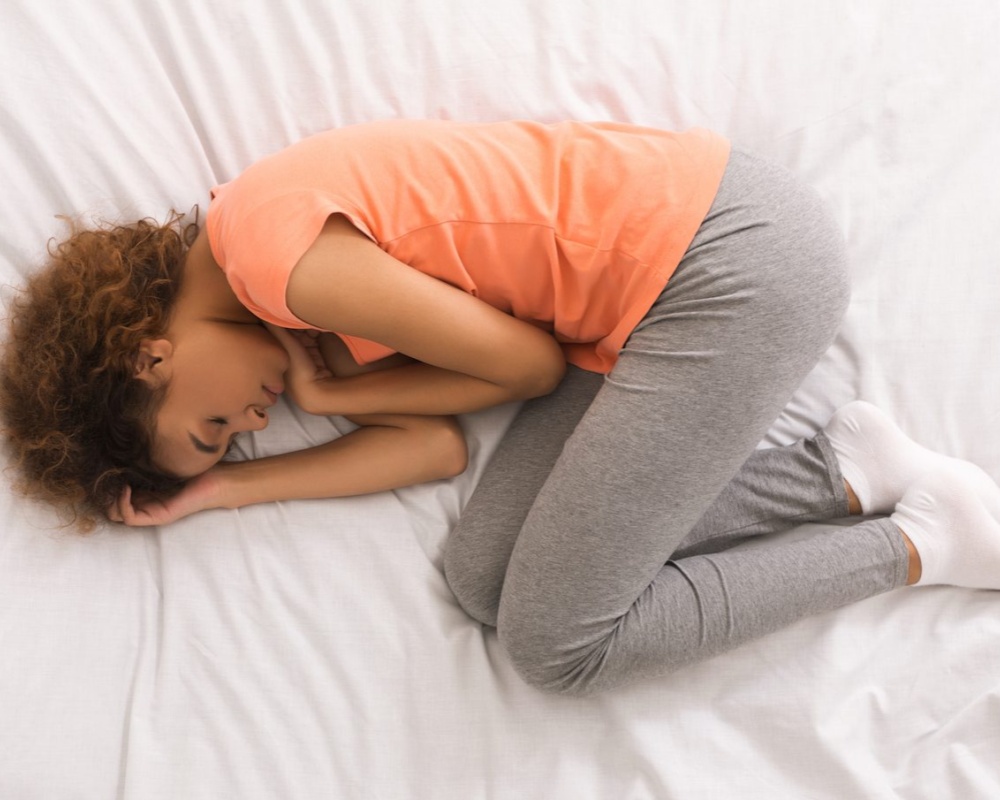
1. Fetal Position
The fetal position is characterized by lying on one's side with the legs curled up and the arms folded in front of the chest. People who sleep in this position tend to be sensitive and introverted. They often have a strong sense of self-protection, perhaps due to experiences or a general cautious nature. This position is like a natural shield, allowing them to feel safe and secure while they sleep.
In terms of health, the fetal position can be beneficial for those with back pain. Curling up can help relieve the pressure on the spine. However, it also has its drawbacks. This position may cause breathing difficulties as the curled - up posture can restrict the expansion of the lungs, leading to shallower breaths during sleep.
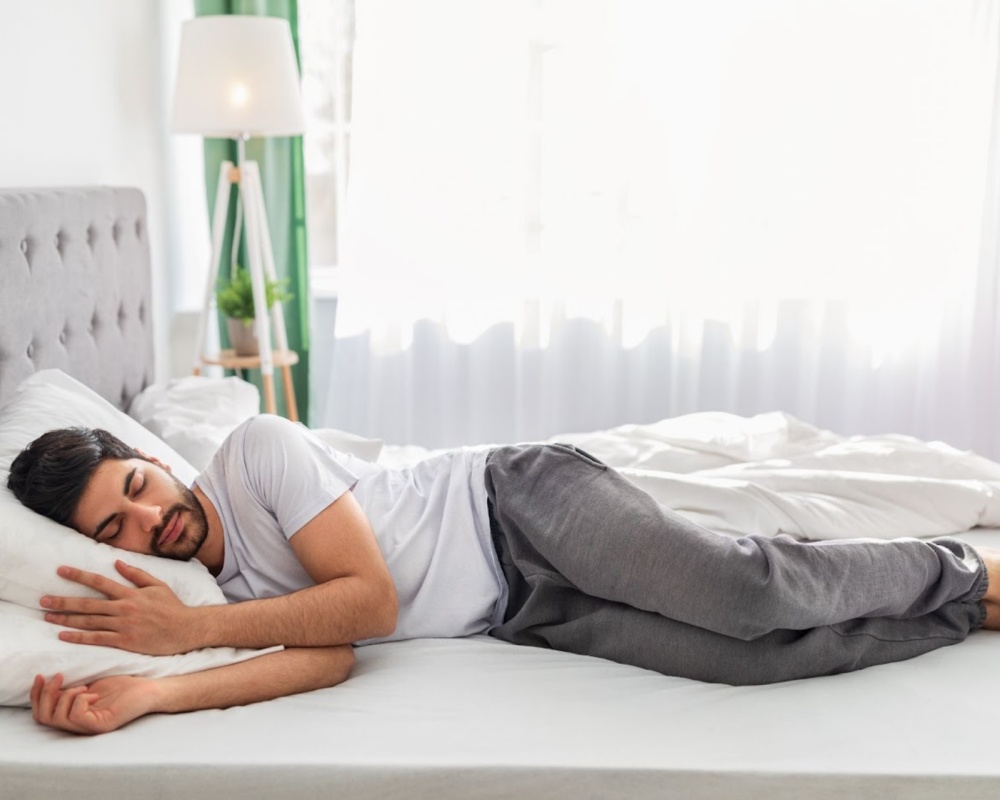
2. Side Position
The side position involves lying on one's side with the legs either straight or slightly bent. People who sleep in this position are known for being easy - going and adaptable. They are good listeners, often empathetic towards others, and can easily fit into different social situations.
This position has some positive health effects. It can significantly reduce snoring as it keeps the airway more open compared to the back position. However, the constant pressure on the shoulders and hips can be a problem. Over time, this may lead to discomfort and even pain in these areas, especially for those who sleep on a firm surface.
adv_slot_container
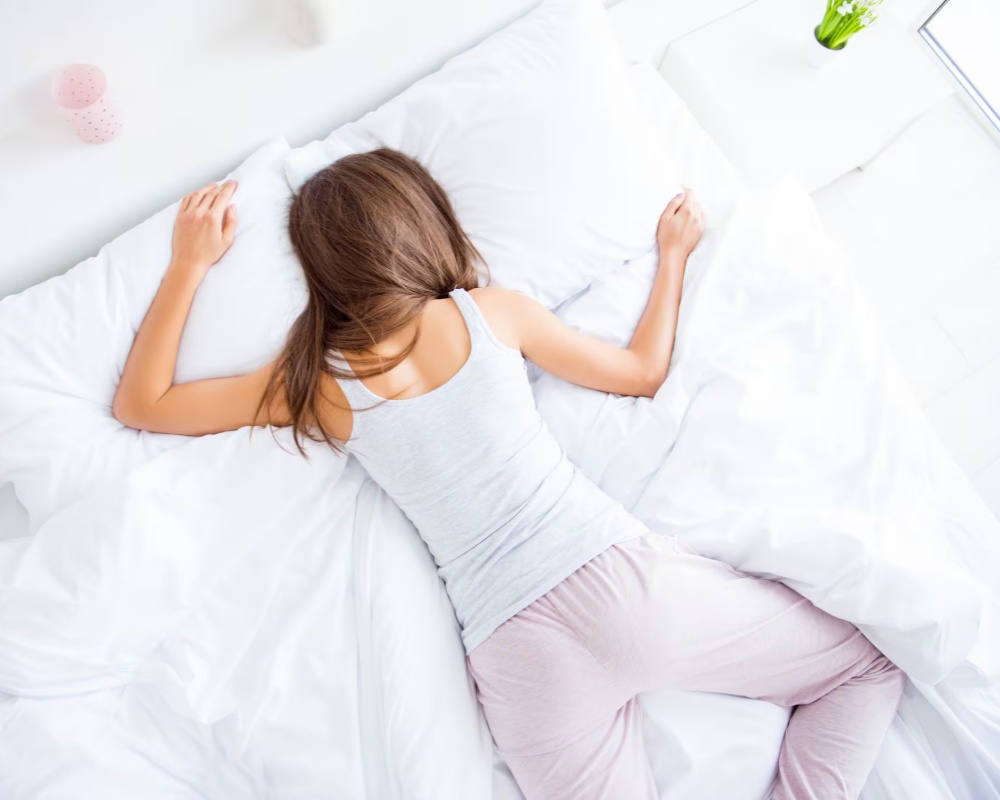
3. Stomach Position
Those who sleep face - down with their head turned to one side are in the stomach position. These individuals are usually adventurous and independent. They dislike being restricted and prefer to have the freedom to explore new things. Their sleep position may reflect their need for space and lack of desire to be confined.
Unfortunately, the stomach position is not very kind to the body. It can cause significant strain on the neck and back. The head is often turned to one side for an extended period, which can lead to neck stiffness and pain. Moreover, this position does not support the natural curvature of the spine, potentially causing long - term damage to the spinal column.

4. Back Position
When sleeping in the back position, a person lies flat on their back with their arms resting naturally at their sides. Individuals who prefer this position are typically confident and open. They like to be in control of situations and are not afraid to take charge. Their straightforward and assertive nature is often reflected in their choice of sleep position.
From a health perspective, the back position helps maintain the natural curve of the spine. This can prevent unnecessary stress on the back muscles and joints. Nevertheless, it can exacerbate problems such as snoring and sleep apnea.
When lying on the back, the tongue and soft tissues in the throat can fall back, blocking the airway and causing disruptions in breathing during sleep.
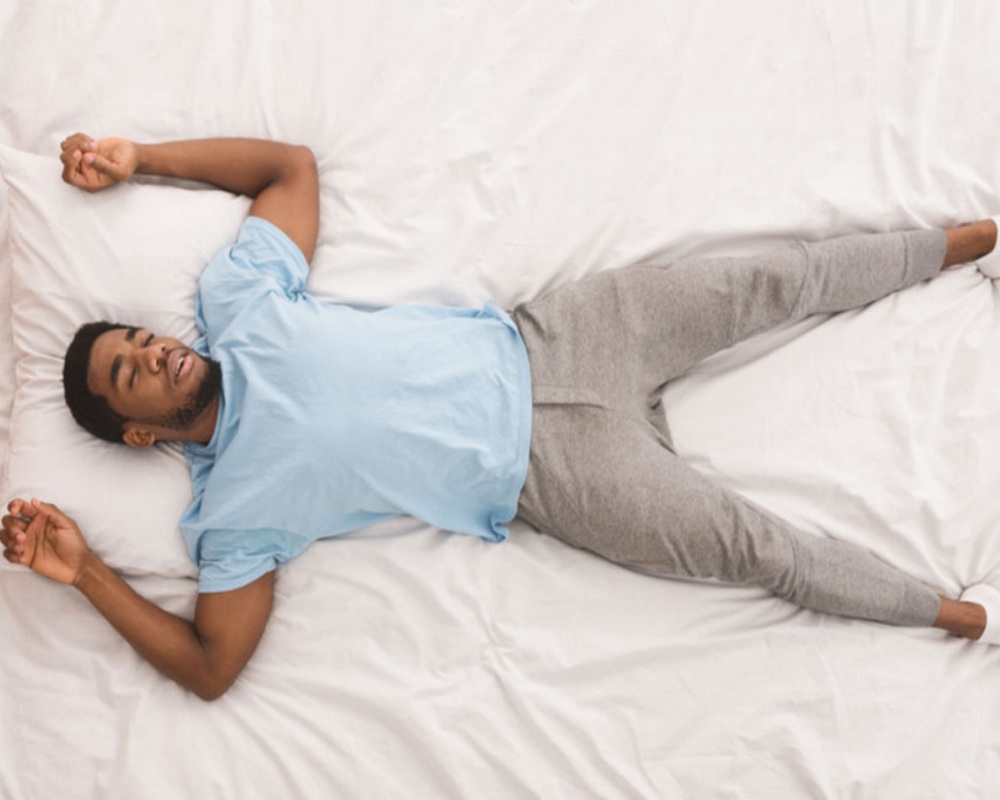
5. Starfish Position
The starfish position is defined by lying on the back with the arms and legs stretched out naturally. People who sleep like this are generous and enjoy helping others. They are sociable and thrive in social settings, often being the life of the party.
Health - wise, the starfish position is similar to the back position in that it helps maintain the natural curve of the spine. But it also has a drawback. Since the arms and legs are fully extended, there is a higher chance of experiencing numbness in these extremities, especially if the person sleeps in this position for a long time.

6. Combination Position
Some people change their sleep positions frequently during the night, which is known as the combination position. These individuals are characterized by their flexibility and adaptability. They can easily adjust to different circumstances and are not set in their ways.
One of the advantages of the combination position is that it reduces the pressure that comes from staying in one position for too long.
By constantly shifting, the body can avoid the negative effects associated with a single sleep position. However, frequent position changes can also disrupt the sleep cycle, leading to less restful sleep and potentially lower sleep quality.
7. How to Choose the Right Sleep Position
Personal Preference
Ultimately, personal comfort plays a crucial role in choosing a sleep position. Some people simply feel more at ease in a particular position, and it is important to respect one's own body's signals.
If a person has always slept in a certain way and feels well - rested, there may be no need to change.
Health Considerations
It is essential to take one's health into account when selecting a sleep position. For example, those with back problems may want to avoid the stomach position and instead opt for the fetal or back position.
People with snoring or sleep apnea issues may find that the side position is more beneficial. Consulting a doctor can provide valuable insights based on an individual's specific health conditions.
Environmental Factors
The quality of the mattress and pillow can also influence sleep position. A too - firm or too - soft mattress may force a person into an uncomfortable position. Similarly, a pillow that does not support the neck properly can cause pain and discomfort.
Therefore, choosing the right sleep environment is just as important as choosing the right sleep position.
Conclusion
Our sleep positions are more than just random choices. They are closely linked to our personalities and can have a significant impact on our health.
By understanding the relationship between sleep position, personality, and health, we can make informed decisions to improve our sleep quality and overall well-being. It is advisable to experiment with different sleep positions and see which one suits us best.
If there are persistent sleep problems, seeking professional advice from a doctor or a sleep specialist is always a good idea. Remember, a good night's sleep is the key to a better life.


RECOMMEND ARTICLES

Test How Many People Have The Same Name As You?

Take This Test: See Which Nationality Your Appearance Resembles.
✋ Palm Reading: What Will Happen In Your Future?

Discover Your Birth Runes: What Do They Really Mean?

Indian Culture Unveiled: Some Facts You Need To Know!

Decode 7 Fascinating Fingerprint Types And What They Mean!
What Your Mole Says About Your Personality Traits!

Cats And Emotional Well-being: How They Shape Our Lives!

Discover The World's Most Unique Traditional Attire!

Face Reading Mastery: Instantly Decode Anyone's True Personality!
Most Read

How To Create A DIY Vertical Garden For Small Balconies: A Beginner’s Step-by-Step Guide

How To Plan A Budget-Friendly Road Trip Without Missing The Best Sights

Love Tester|Discover Your Compatibility % With Your Soulmate
How To Get A Hotel Cleaning Service Job: A Step-by-Step Guide For Job Seekers

How To Get Free Skins In Free Fire: A Step-by-Step Guide