
 hot topic
11 Signs That May Indicate You Have Depression!

What is Depression? What do you think a depressed person would look like?
Is it a hopeless feeling that you just can't shake, or a sense of emptiness as you drift through your usual routine? Could depression be the cause of your struggles?
Depression is a weakening condition that can make it impossible for you to enjoy your daily existence. If you are plagued with feelings of overwhelming sadness, loneliness, worthlessness, and cannot imagine that things will get any better, then you may be suffering from depression.
It may be that only a specialized doctor or mental health professional can diagnose whether you are suffering from depression, but this quiz can also help you better understand your symptoms of depression!
Here are 11 signs that you should not ignore if you have some!
adv_slot_container
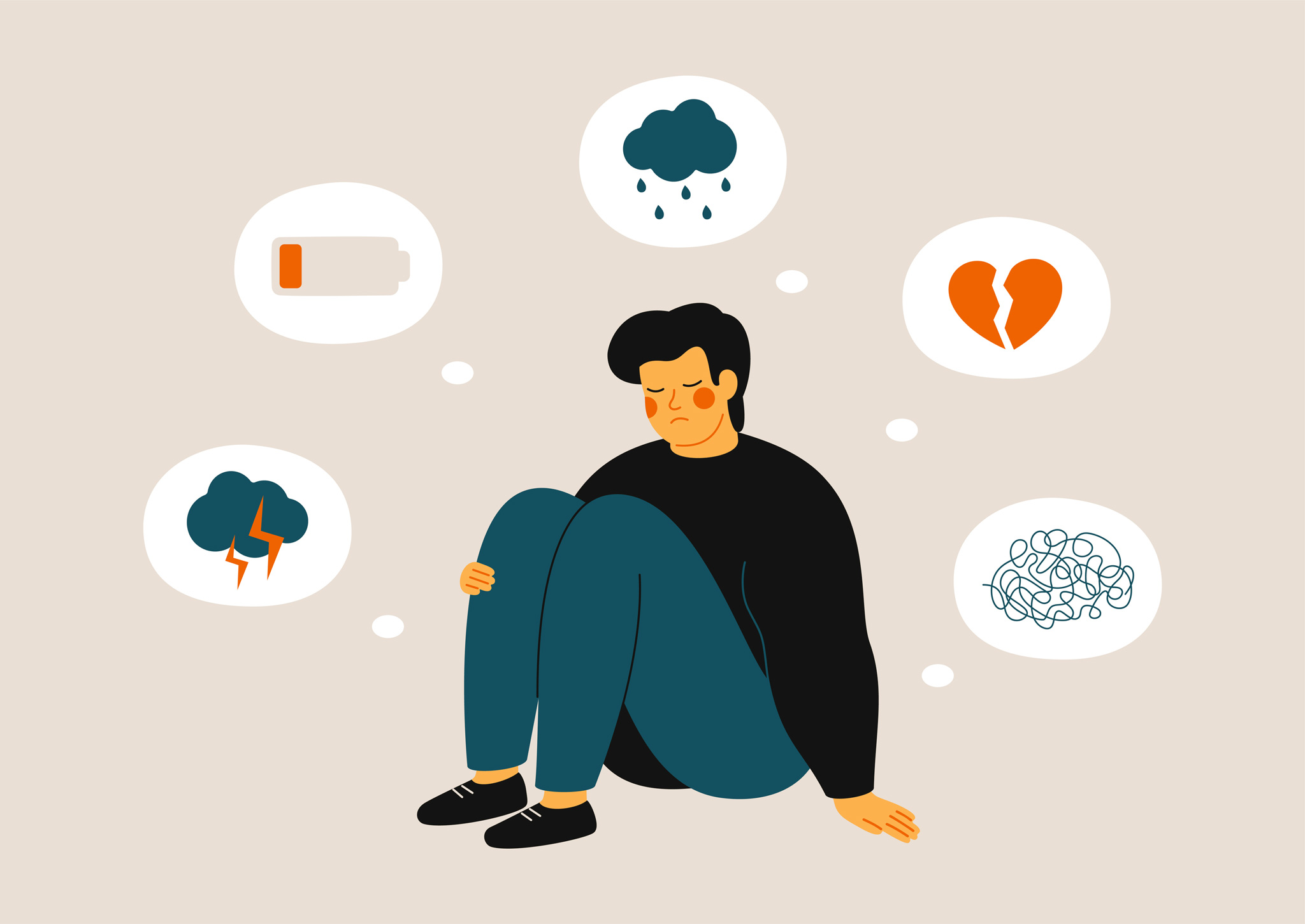
1. Common Symptoms of Depression
- Feeling hopeless: No matter how you spin things, you can't seem to find a light at the end of the tunnel. You feel like you're stuck in your negative thoughts and feelings, and that there's no escaping them.
- Self-hatred: You carry around a constant sense of guilt, and frequently feel worthless. You often view your shortcomings and mistakes under a microscope, and are extremely hard on yourself.
- Less interest in what you usually enjoy: Your old hobbies and pastimes don't have the same appeal that they once did, and you don't feel particularly motivated to do any of the activities you once enjoyed.
- Low energy levels: You constantly feel fatigued and sluggish, and struggle to finish simple tasks without feeling drained.
- Sense of recklessness: You find a sense of escape in dangerous pastimes, like gambling, drugs, or other activities that put your life at risk.
- Appetite changes: Your weight changes pretty drastically within the span of a month.
- Poor sleep schedule: You often find yourself sleeping too much or not enough.
- Irritation: You have a shorter fuse than normal and find yourself getting irritated with people frequently.
- Issues with focus and concentration: You struggle to focus on the tasks ahead of you, and aren't the best at recalling things. You also find it difficult to make decisions.
- Random aches: You feel random pains in places like your stomach, back, and/or head, but you can't figure out what's causing them.
- Suicidal thoughts: You sometimes think about harming yourself or ending your own life.
adv_slot_container
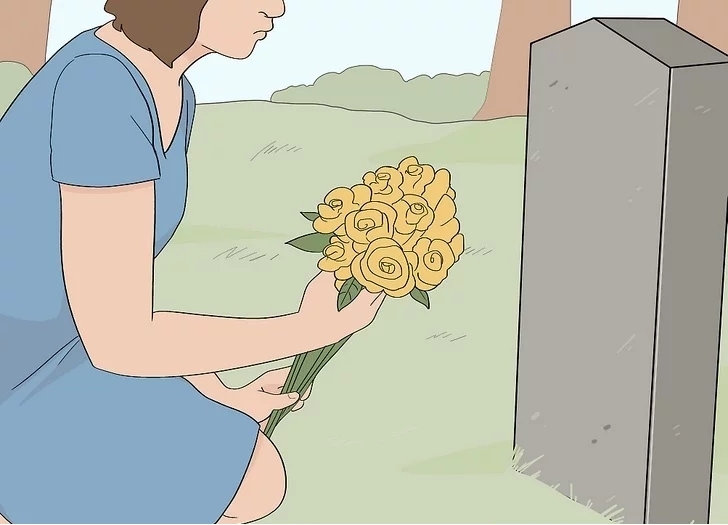
2. Search for a Situational Cause
- Loss of a friend or loved one. It is normal to grieve after losing someone you care about. However, after a period of time, most people tend to feel better. If your grieving does not seem to lift after months, you may be experiencing depression.
- A failed or unfulfilling romantic relationship. If you are going through a devastating break-up, or are in a relationship that is causing you great pain, then it could be contributing to your depression.
- An unrewarding career. If you feel deeply unhappy, stifled, or even worthless in your current job or throughout your career, then your line of work may be a contributing factor to your depression.
- An undesirable environment. If you live with two screaming, unbearable roommates, or just feel deeply unhappy in your own home or neighborhood, then your environment may be contributing to your depression.
- Financial reasons. Worrying about making your next rent payment or where your next paycheck will come from can be a serious cause of depression if it's a continuing problem.

3. Ways to Treat Depression
- Ask for support. Let friends and family members know that you're having a tough time, and that symptoms of depression are impacting your ability to live your life to the fullest. Keep in mind that your feelings of helplessness are part of your disorder, not reality, and that isolation feeds those feelings. Friends and family can help by listening to your problems, and supporting you during the worst moments.
- Get a diagnosis. Schedule an appointment with a doctor or psychiatrist if you suspect depression. They can assess your symptoms and identify the cause. Don’t hesitate to seek second or third opinions if you feel unheard or your concerns aren’t prioritized.
- Cultivate good relationships. Keep your friends close and connect with them regularly. It is especially important to turn to your friends and family when you need someone to talk to. Simply sharing how you are feeling with someone may help you to feel better.
- Exercise on a regular basis. Take a few minutes each day to go for a power walk, or do any other activity that really gets your blood pumping. Build up your stamina each day, as exercise is a great way to help you feel better.
Conclusion
Depression may feel like an endless storm, but remember this: You are not alone, and you are stronger than you know!
So be gentle with yourself. Celebrate tiny victories — a warm shower, a shared laugh, a moment of sunlight on your skin. These are acts of courage. The world needs your voice, your laughter, and your unique light. Today might be hard, but tomorrow holds hope. Keep going. You deserve healing, and with time, support, and self-compassion, you will rise.


RECOMMEND ARTICLES

Birth Flowers Explained: Find Your Month's Hidden Symbolism!
How To Get Into A BANNED House In Brookhaven: A Step-by-Step Guide

How To Access Housing Assistance Programs Many Seniors Don’t Know About

How To Get And Use Free Toca Items: A Complete Player’s Guide

From Victim To Valedictorian: Read The Novel Reborn Before The SAT, I Let Him Go And Took Back My Future!

Betrayed By Blood And Bond: Read The Novel My Alpha And Pup Chose His Mistress And Left Me In The Fire!

10 Tricks To Make Sure Clothes Will Fit Us Without Trying Them On!

Indian Culture Unveiled: Some Facts You Need To Know!

Cats And Emotional Well-being: How They Shape Our Lives!

MBTI Personality Zoo: Which Animal Are You?
Most Read

How To Land A Part-Time Nursing Job In A Nursing Home: A Step-by-Step Guide

How To Secure A Position As A Female PCA For Home Care: A Step-by-Step Guide

How To Obtain Free Brainrots In Steal A Brainrot: A Complete Player Guide

How To Find And Use Free Minecraft Skins To Customize Your Avatar

10 Unspoken Rules Of Friendship Every Adult Needs To Know!