
 hot topic
12 Birth Flowers: Nature’s Encrypted Love Manifesto!

Birth flowers transcend mere birth symbols—their veins pulse with romantic prophecies.
Since antiquity, blossoms have whispered love's secret code through petal-ciphered messages.
Your birth bloom stands as nature's living love manifesto, its devotion etched in every stem's curve and nectar's glow.
Take this test to know your birth flower: What Is Your Birth Flower?
adv_slot_container
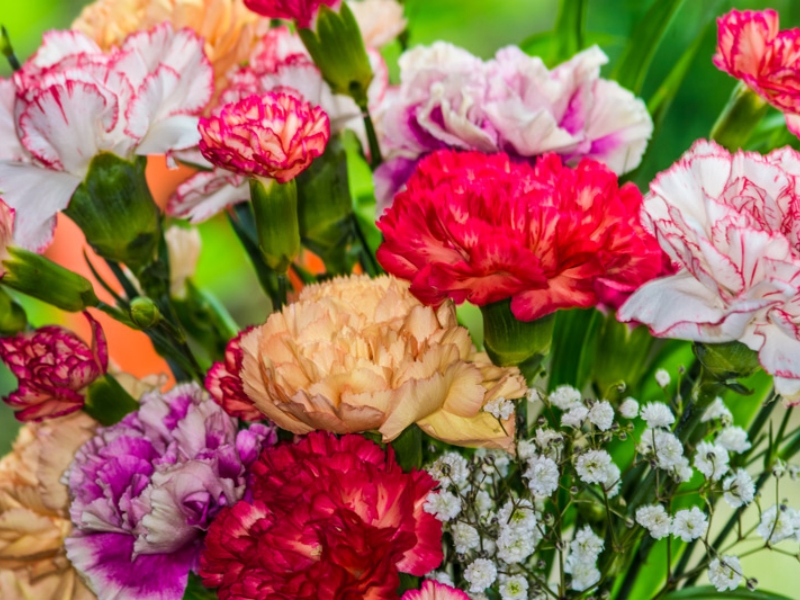
January – Carnation
The crimson carnation’s layered petals pulse with ardent devotion, their scarlet intensity mirroring a lover’s racing heartbeat.
Pale red variations whisper softer truths – tender admiration and the ache of unspoken longing.
Beyond romantic codes, these blooms historically adorned Renaissance nobles’ lapels as encrypted declarations, their ruffled edges concealing illicit passions.
To gift carnations is to celebrate both fiery dedication and the beloved’s irreplaceable uniqueness.
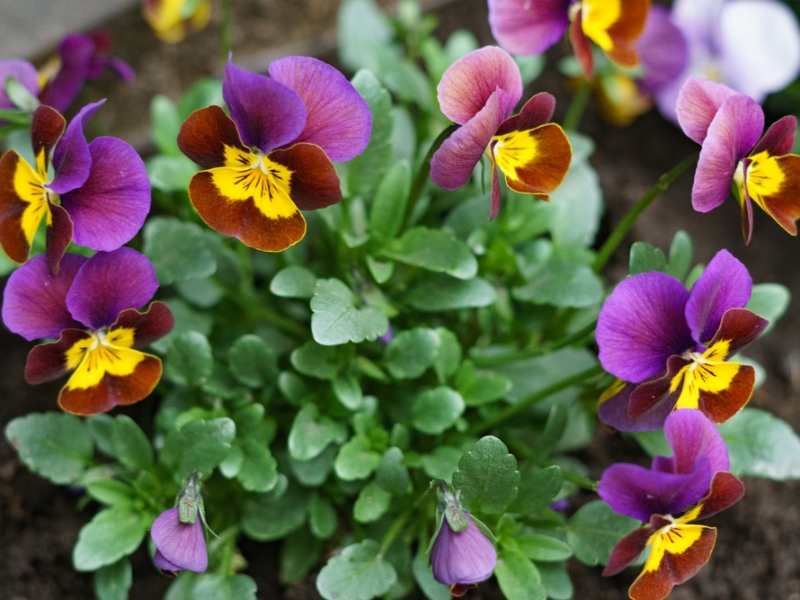
February – Violet
Violets weave eternal love with moral fortitude, their heart-shaped leaves cradling secret admirations.
Each hue whispers distinct promises: purple blossoms guard dreamlike romance with vigilant care; blue varieties bind lovers through mystical attraction tempered by loyalty. Delicate pink petals capture childhood’s guileless joy, while yellow posies honor friendship’s humble constancy. Snow-white clusters, pure as first love, demand absolute emotional transparency.
Victorian tradition held that inverted violets in bouquets confirmed mutual affection.
adv_slot_container
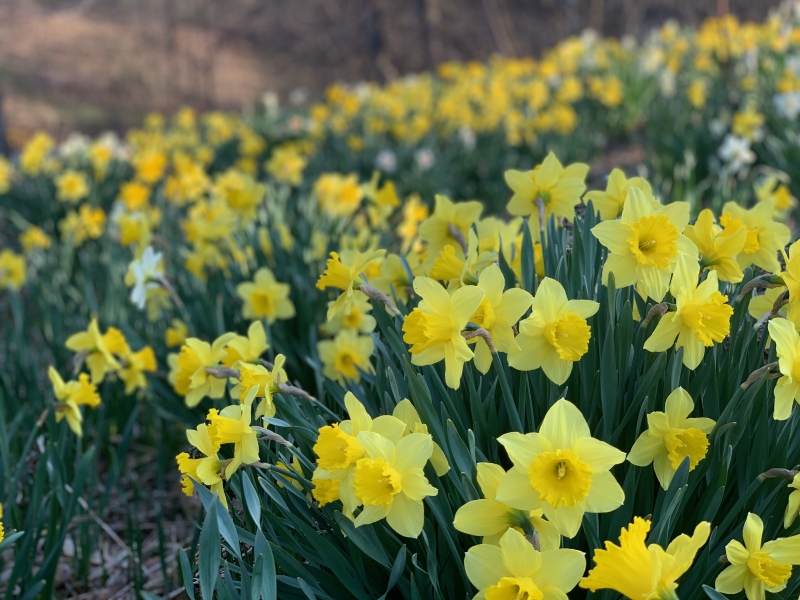
March – Daffodil
This golden paradox bridges destructive vanity and regenerative self-love.
Born from Narcissus’ fatal obsession, its trumpet-shaped bloom paradoxically teaches that healthy self-regard nourishes lasting partnerships.
Persian newlyweds arrange daffodils beside mirrors, reconciling self-awareness with mutual devotion.
Chinese tradition venerates paired bulbs thriving through interdependence, mirroring marital symbiosis.
Modern therapists interpret their spring emergence as courage to love anew after emotional frosts.
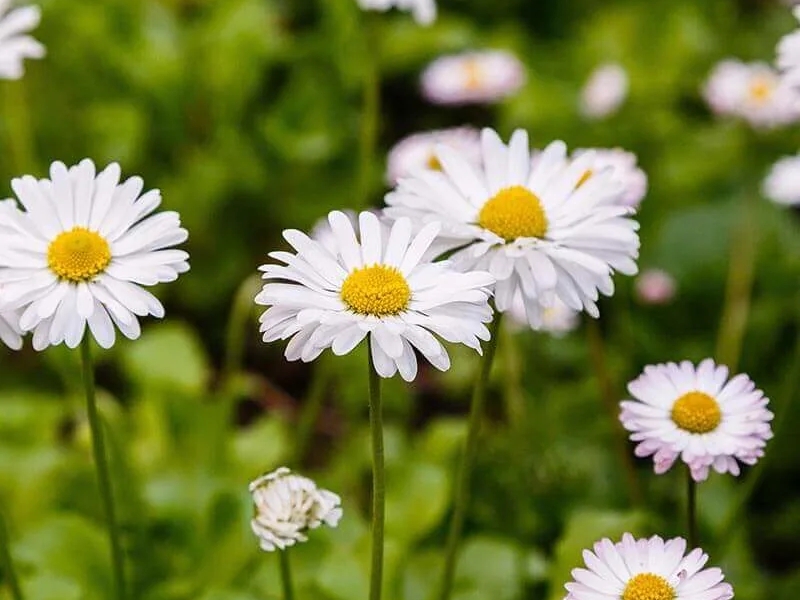
April – Daisy
Solar-aligned daisies encode love’s primal balance – golden centers (passion’s sun) framed by white rays (loyalty’s moon).
Roman myth tells of nymph Belides transforming into this bloom to escape Apollo’s lust, embedding love’s duality: innocence preserved through strategic resilience.
Medieval knights carried pressed daisies as talismans, their three-day bloom cycle mirroring wartime romances’ fleeting intensity.
Neuroscience reveals their heliotropic rhythm activates brain regions governing empathy, explaining why daisy exchanges deepen emotional attunement.
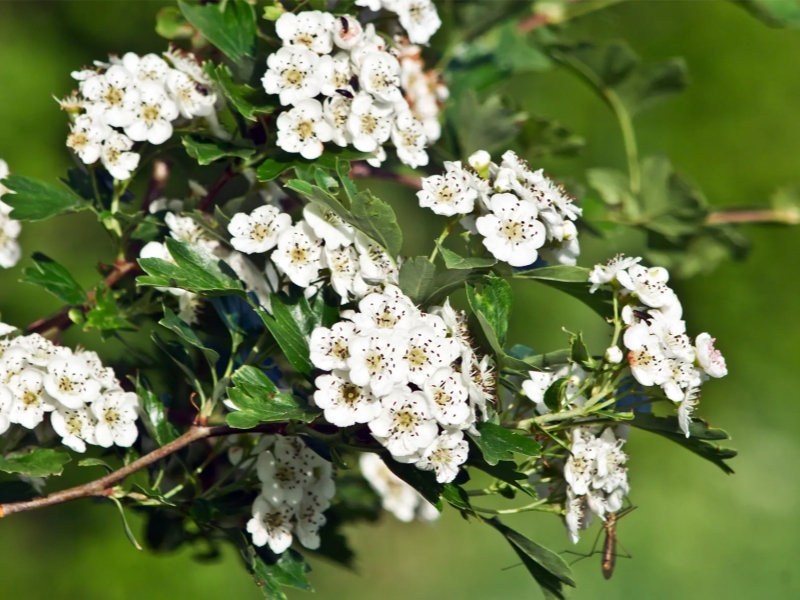
May – Hawthorn
Celtic tradition crowns hawthorn as love’s sacred guardian. Blossoms hung above newlyweds’ beds bless fertility while repelling malign forces.
The tree’s duality – tender flowers shielded by protective thorns – mirrors relationships thriving through vulnerable strength.
Pagan couples wed beneath hawthorn groves to channel earth’s creative energy, a ritual preserved in Chaucer’s Parliament of Fowls where blossoms symbolize courtly love’s bittersweet dance.
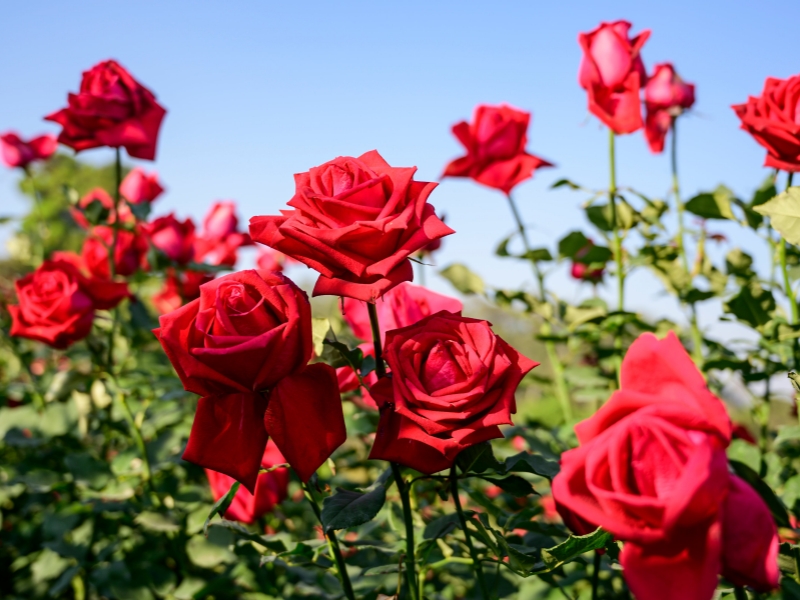
June – Rose
No flower rivals the rose’s romantic lexicon.
Aphrodite’s crimson gift varies in shade-semantics: scarlet blooms embody consummated passion; burgundy buds mourn unrequited yearning; deep crimson pledges lust transformed into enduring commitment.
Roman brides bathed in rosewater to purify desire’s fire, while medieval lovers sealed letters with petal-embedded wax, authenticating ardor’s authenticity.
A single rose whispers "forever begins tonight"; two dozen shout "every heartbeat belongs to you."
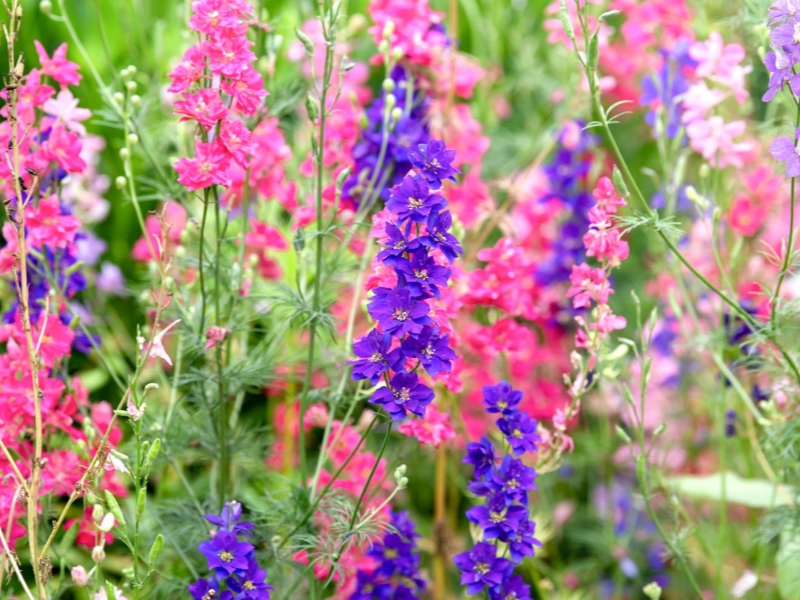
July – Larkspur
Towering larkspurs celebrate love’s resilient architecture.
Their hollow stems symbolize strength cradling fragility – Victorian suitors arranged clockwise spirals to signal readiness for life’s shared storms.
Blue varieties grace reconciliation bouquets, their sky-toned calm soothing turbulent emotions.
Anniversary bouquets employ layered blooms as botanical metaphors: outer petals guard inner delicacy, mirroring how time fortifies love’s core against life’s erosions.
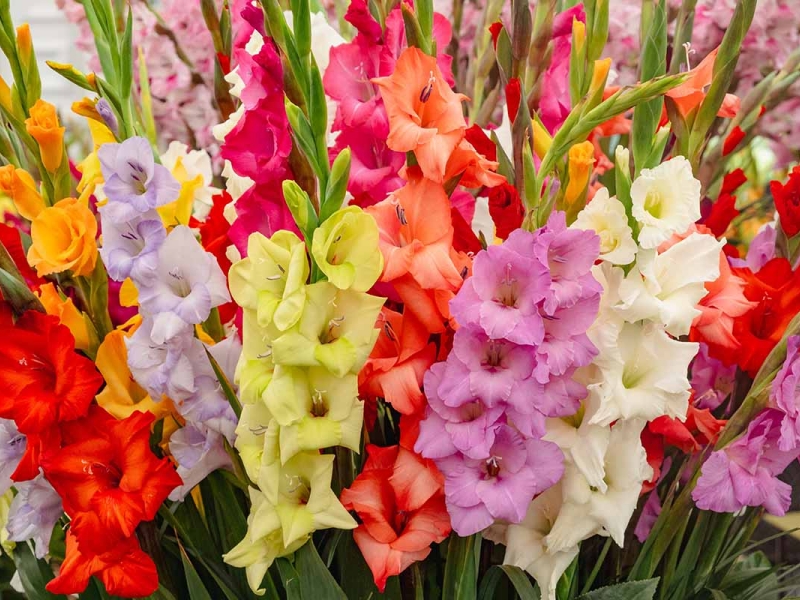
August – Gladiolus
Sword-shaped gladioli pierce complacency with carnal urgency.
Ruby spikes telegraph uncontrolled yearning (“I combust in your presence”), while snow-white blades consecrate bridal devotion.
Ancient gladiators tucked these blooms into armor, believing battlefield ferocity could metamorphose into erotic vitality.
Modern florists craft bicolor arrangements to balance passion with respect – fiery streaks tempered by ivory restraint.
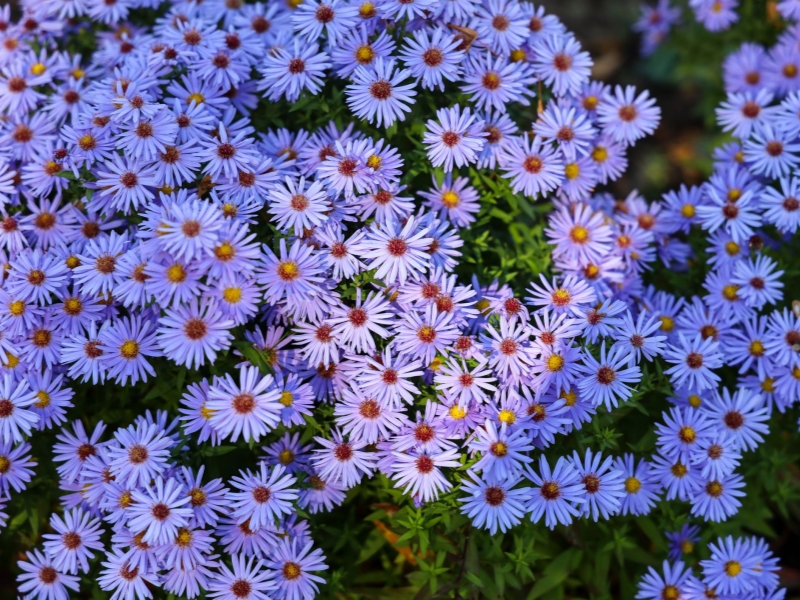
September – Aster
Star-clustered asters illuminate love’s quiet persistence.
Purple varieties honor unconventional bonds (“Your quirks are my compass”), while white constellations celebrate understanding beyond words.
Legend claims these blooms brighten beneath lovers’ shared gaze, their celestial patterns mirroring entwined destinies.
Victorian herbalists prescribed aster tea to cultivate patience, believing its essence nurtured love’s gradual maturation.
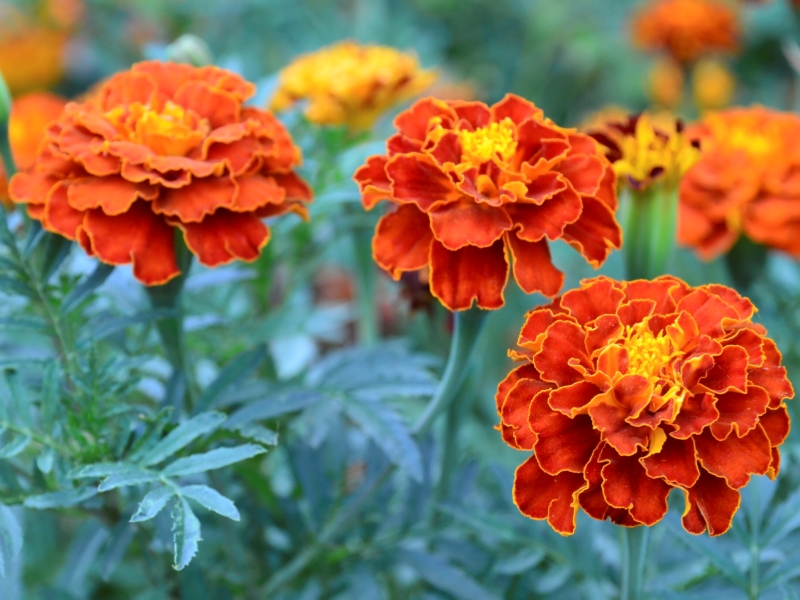
October – Marigold
Solar marigolds radiate creative passion’s alchemy. Aztec brides wore garlands to invoke Xochiquetzal’s erotic power, while Hindu rituals weave pungent orange wreaths as reminders that love’s beauty often grows through adversity.
Modern witches stuff pillows with dried petals to rekindle dormant desire – a practice validated by science, as the blooms’ carotenoids stimulate dopamine production, biologically enhancing romantic perception.
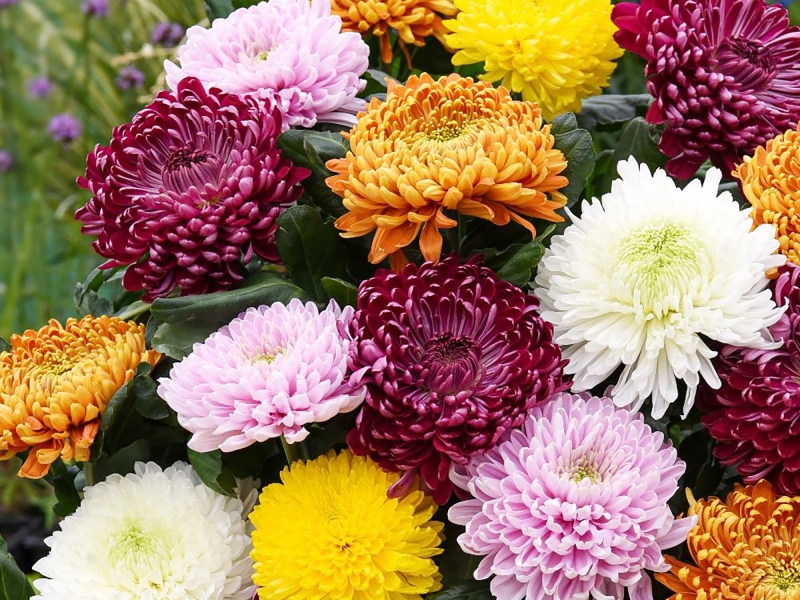
November – Chrysanthemum
Crimson mums embody love’s cultural contradictions: Japanese warriors’ wives preserved salted blooms as loyalty vows, while Europeans associated white varieties with ghostly remembrance.
Contemporary arrangements pair double-petaled mums (symbolizing marital equality) with ivy sprigs (“fidelity”), balancing passion’s flame with stability’s roots.
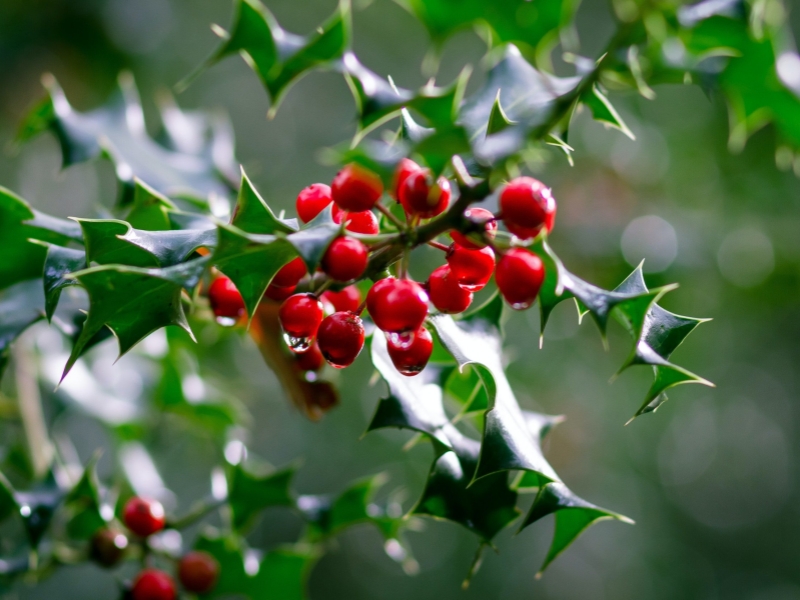
December – Holly
Beyond yuletide clichés, holly’s barbed elegance whispers eternal truths.
Druidic newlyweds exchanged berry clusters to balance masculine/feminine energies, while medieval couples hung wreaths to safeguard fertility.
Modern lovers decode its evergreen spikes as reminders: enduring bonds require boundaries as compassionate as they are firm. In winter’s depth, holly pledges that true love outlasts all seasons.
Conclusion
Let your birth flower's prophecy unfurl like dawn-kissed petals, guiding whispered yearnings toward celestial alignments. As constellations chart lovers' fates, may your bloom's coded wisdom illuminate paths where desire and destiny entwine—eternal as roots drinking moonlight's silver vow.


RECOMMEND ARTICLES

How To Find And Nurture True Love In 2026
Love Tester|Discover Your Compatibility % With Your Soulmate

Is Your Marriage In Crisis? A Marriage Guide To Change Your Marital Status.

Love Calculator: Test How Compatible You Are With Your Crush!
Cultural Blooms: How Different Regions Interpret The Language Of Flowers!

8 Signs To Tell If Someone Has A Crush On You!
5 Meaningful Lessons Trees Teach Us About Love And Relationships!

10 Best Hairstyles For Men To Look Irresistible On Dates!

10 Truths About Dating After Midlife!

These Subtle Signs Your Partner Is Cheating That You Can't Unsee!
Most Read
How To Make Perfect Sourdough Starter From Scratch: Step-by-Step Beginner Guide

Is It Worth To Buy A Private Jet For General Users?

How To Get Free Items In Roblox: A Step-by-Step Guide For Players

Warning Signs You May Have OCD!

The Hidden Meanings Behind Your Birthmark: What Do They Really Signify?