
 hot topic
Warning Signs You May Have OCD!

Obsessive-Compulsive Disorder (OCD) is a potentially debilitating condition that can trap people in endless cycles of repetitive thoughts and behaviors. The disorder is characterized by obsessions (uncontrollable, intrusive anxieties and fixations that take root in the brain) and compulsions (repetitive rituals, rules, and habits that manifest the obsessions and get in the way of everyday life).
You don't necessarily have OCD just because you like to keep things neat and orderly, but you might have OCD if your mental fixations dominate your life: say, if you need to check that the door is locked over and over and over again before you can go to sleep at night or believe harm will come to others if you don't complete certain rituals.
adv_slot_container
OCD's Common Symptoms
1. Know the obsessions that often characterize OCD
People with Obsessive-Compulsive Disorder become trapped in paralyzing, self-referential cycles of anxious and obsessive thoughts.
Common obsessions include:
·A powerful psychological need for order, symmetry, or exactness.
You may feel a nagging discomfort in your brain when the silverware on the table isn't arranged perfectly, when small details don't go according to plan, or when one of your sleeves is a little bit longer than the other.
·Fear of dirt or contamination by germs.
Your skin may crawl with a strong aversion to reaching into a garbage bin, touching a grimy city sidewalk, or even shaking someone's hand. This can manifest in an unhealthy obsession with washing hands and keeping clean.
·Excessive doubt and the need for constant reassurance; fear of making a mistake, being embarrassed, or behaving in a socially unacceptable manner.
You may feel paralyzed with inaction on a regular basis, worries and anxieties looping in your head, holding yourself back from doing what you need to do because you're afraid that something will go wrong.
adv_slot_container
·Fear of thinking evil or sinful thoughts; aggressive or horrific thoughts about harming yourself or others.
You may recoil at the horrific, obsessive thoughts that rise up at the back of your mind like a dark shadow--you may find yourself unable to stop thinking about hurting yourself or hurting others, even if you know that you shouldn't. You may find yourself thinking about awful possibilities of everyday situations: like imagining your best friend getting hit by a bus as the two of you cross the street.
Know the compulsions that often accompany obsessions.
Compulsions are rituals, rules, and habits that you feel compelled to act out over and over again--usually as a way to make your obsessions disappear. However, the obsessive thoughts often only come back stronger.
Common compulsions include:
·Repeatedly bathing, showering, or washing hands; refusing to shake hands or touch doorknobs; repeatedly checking things, such as locks or stoves.
Perhaps you find yourself washing your hands five, ten, twenty times before you feel completely clean. Perhaps you need to lock, unlock, and re-lock the door over and over and over again before you're able to settle down to sleep at night.
·Constant counting, mentally or aloud, while performing routine tasks; eating foods in a specific order; constantly arranging things in a certain way.
Perhaps you need to arrange the items on your desk in perfect order before you can think. Perhaps you can't eat a meal if any of the foods on your plate are touching one another.
·Being stuck on words, images or thoughts, usually disturbing, that won't go away and can interfere with sleep.
Perhaps you are preoccupied with visions of dying in violent, horrific ways. Perhaps you can't help but imagine worst-case scenarios, and you can't stop your mind from fixating on all the ways that a situation could go wrong.
·Repeating specific words, phrases, or prayers; needing to perform tasks a certain number of times.
You may become fixated on the word "sorry", and compulsively apologize over and over again when you feel bad about something. You may need to slam your car door shut ten times before you're able to start driving.
·Collecting or hoarding items with no apparent value.
You may compulsively hoard things that you neither need nor use, to the point that junk overflows from your car, your garage, your yard, your bedroom. You may feel a strong, irrational attachment to certain items, even if the practical part of your brain knows that they're just gathering dust.
3. Understand the common "categories" of OCD.
Obsessions and compulsions often revolve around certain themes and situations.
Common types of OCD sufferers include washers, checkers, doubters and sinners, counters and arrangers, and hoarders.
·Washers are afraid of contamination.
You may have hand-washing or cleaning-related compulsions: perhaps you need to wash your hands with soap and water five times after you take the garbage out; perhaps you find yourself vacuuming the same room over and over again because it isn't clean enough.
·Checkers repeatedly check things that they associate with harm or danger.
You may find yourself checking that the door is locked ten times before you can let yourself go to sleep; you may feel the need to get up throughout dinner to check that the oven is turned off, even if you remember turning it off. You may feel compelled to check upwards of ten, twenty, thirty times just to be sure.
·Counters and arrangers are obsessed with order and symmetry.
You may have superstitions about certain numbers, colors, or arrangements, and you may feel a deep sense of wrongness if things aren't perfectly ordered.
·Hoarders feel a strong aversion to throwing things away.
You may compulsively hoard things that you neither need nor use; you may feel a strong, irrational attachment to certain items, even if the practical part of your brain knows that they're just gathering dust.
Conclusion
If you notice any of the signs or symptoms above, it may be helpful to speak with a licensed therapist who can help you determine whether you are suffering from OCD.
The good news is that OCD is highly treatable, and many people can learn skills and strategies to manage their symptoms and experience less disruption to their lives and routines.


RECOMMEND ARTICLES

The Psychology Behind Knots: Why Do They Hold Such Power Over Us?
What’s Your Fatal Flaw: The Personality Trait That Could Be Your Downfall!
Common Types Of Anger: Do You Know Your Anger Style?

The Hidden Truths Behind School Bullying: What You Need To Know!

Bipolar Disorder And Depression Guide To Understanding And Action

Negative Energy At Home: 7 Common Things To Remove!

These Experiences Prove Your Parallel Self Is Contacting You!

Aging With Ease: Your Guidance For The Challenges Ahead!

11 Signs That May Indicate You Have Depression!
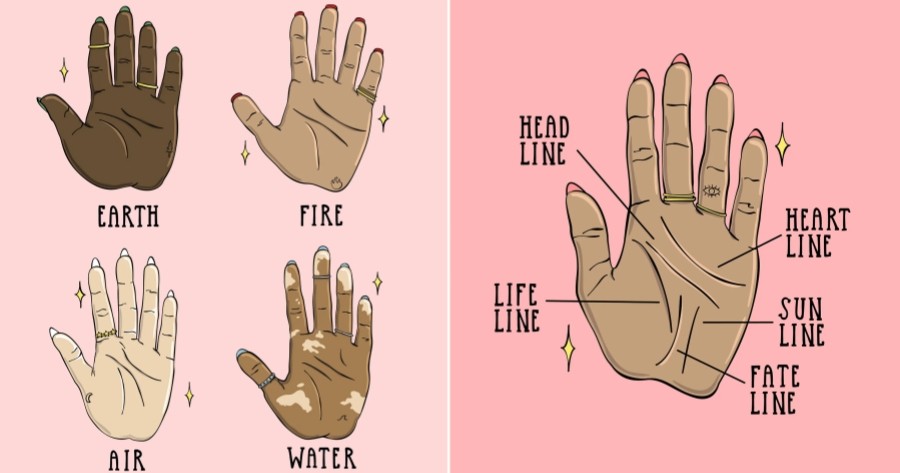
How To Read Palms Like A Pro: 5-Minute To Decode Your Life!
Most Read

How To Find Out What Type Of Girl You Are!

How To Get Adopt Me Bucks And Get Rich In Adopt Me

How To Get Roblox Free Limited Items: A Step-by-Step Guide For Players

How To Play Popular VR Games For Free In 5 Minutes: A Quick Start Guide

How To Replicate Popular Bloggers And Rooms In Toca World