
 hot topic
Aging With Ease: Your Guidance For The Challenges Ahead!

Growing older isn’t just about crow’s feet etching wisdom onto your skin or the gradual shift from sprinting to strolling—it’s about the quiet metamorphosis of becoming life’s seasoned storyteller.
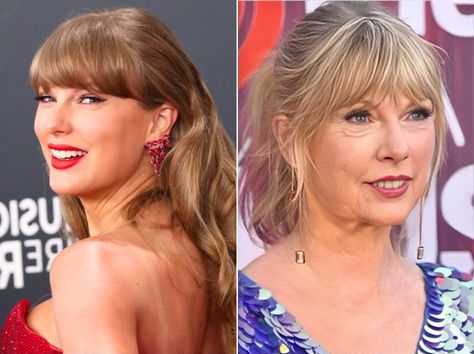
Yes, aging (even death) is humanity’s ultimate shared destination. But here’s the twist: you don’t have to wait decades to meet your future self. With AI, you can upload a selfie and watch your silver-haired self→How Will You Look When You Are Old?
adv_slot_container
What challenges might that future you face?
·Physical and mental health problems
The first and biggest challenge to older adults can often be their health. Some of these health concerns include: heart disease, diabetes, hearing loss, cataracts, chronic obstructive pulmonary disease, heart attack and/or stroke, extra susceptibility to sexually transmitted diseases, muscle weakness, fatigue, malnutrition, incontinence and constipation.
And some examples of mental health problems older adults experience include: cognitive decline, depression, anxiety, sleep disorders, substance abuse and personality disorders.
·Financial insecurity
While we are living longer, unfortunately, the world of employment and retirement has not evolved at the same pace. Many elderly people are able and more than willing to work past the standard retirement age, but the opportunities are not there.
In addition, managing day-to-day finances and planning for later life can be challenging for older generations, as much is now done online or remotely. This can also leave them more vulnerable to fraud and scams.
·Difficulty with everyday tasks and mobility
A person’s mobility and dexterity will naturally decline as they age, which makes completing everyday tasks more difficult. This can gradually cause people to care for themselves and prevents them from being social, pursuing interests, or taking part in activities they enjoy.
adv_slot_container
·Ageism and a lost sense of purpose
There are lots of outdated stereotypes about elderly people, which can lead to isolation and marginalization in a lot of communities.
·Finding the right care provision
When complete independence is no longer practical, many elderly people require additional care. Sometimes this care can be provided by family members, but this can place a lot of strain on the caregiver in terms of balancing this with work and other family responsibilities.
·Access to healthcare services
Healthcare can be complicated and disjointed for elderly people, especially for those struggling with long-term conditions.
How to deal with these in advance?
·Healthy diet and regular exercise
In order to avoid those physical problems that may suffer from in your sixties, avoid processed foods and foods loaded with sugar, salt, and fat. A healthy diet consists of mostly fruits and vegetables, fiber, and whole grains with a limited protein intake.
And exercise has a wide variety of benefits: it reduces blood pressure, maintains your immune system, keeps bones strong, improves breathing, builds muscle. In order to gain the many benefits of exercise, aim to get at least thirty minutes of exercise each day.
·Get insured.
All manner of insurance -- life, home, disability, and health -- should be in place for you and your loved ones. Identifying the best insurance plan is difficult due to the often dizzying number of options available, and many people tend to think that any plan will do as well as another. Check your plan carefully to ensure it will be adequate when you need coverage.
·Spend your time wisely.
Don’t continue to squander your time and money on people or activities which do not edify or improve your personal or professional life. Channel yourself into engaging activities which help you grow. Ask yourself what you love doing, and find time to do it. Follow your passions.
·Accept yourself for who you are.
You might begin to see gray hair, smile lines, wrinkles, and other indications that, yes, you’re getting older. Being honest with yourself about these changes will make them less painful and give you an opportunity to honestly dialogue with yourself about why they should be worrisome at all.
·Learn to love uncertainty.
Some people think that as they age, things become more clear, choices become easier to make, and the correct path becomes more obvious. In fact, uncertainty and ambiguity are a part of life no matter what your age. Feel excited and thankful for the spontaneity you’re afforded each day.
·See aging as a positive, normal experience.
The media glorify youth and tend to portray growing older – as a negative or upsetting experience. In fact, many people find their quality of life improves after they get middle-aged. Don’t buy into the myth perpetuated by the beauty industry, glossy fashion magazines, and Hollywood movies that you need to be between the ages of 18-25 to have an exciting, fulfilling, beautiful life.
Conclusion
Swap dread for curiosity, stockpile stories instead of regrets, and remember—every gray hair is just a trophy for surviving the chaos of being a man!


RECOMMEND ARTICLES
Birth Flowers Explained: Find Your Month's Hidden Symbolism!
Warning Signs You May Have OCD!

The Psychology Behind Knots: Why Do They Hold Such Power Over Us?
Common Types Of Anger: Do You Know Your Anger Style?

Bipolar Disorder And Depression Guide To Understanding And Action

These Experiences Prove Your Parallel Self Is Contacting You!

What Your Dreams Really Mean: 9 Common Interpretations Revealed!

Chinese Zodiac Match: Which Sign Should You Actually Date?

11 Signs That May Indicate You Have Depression!
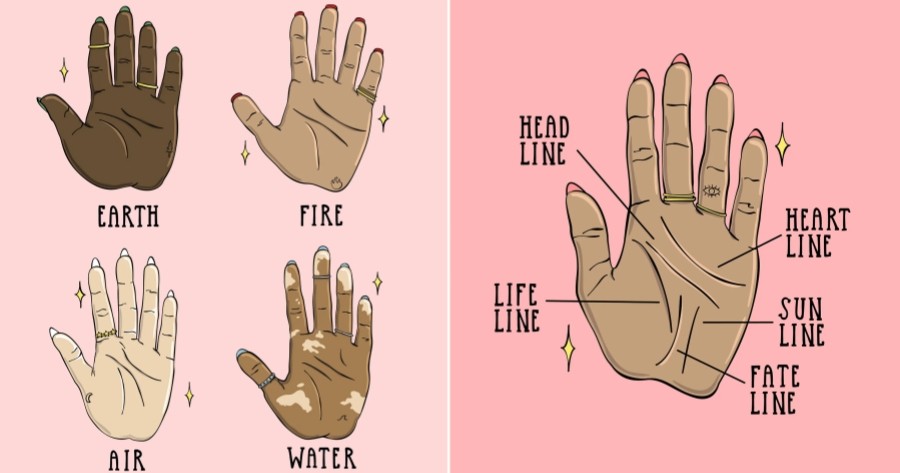
How To Read Palms Like A Pro: 5-Minute To Decode Your Life!
Most Read

How To Change Your Battery Icon To An Emoji On IOS

How To Stay Hydrated Throughout The Day: Practical Tips For People Who Forget To Drink Water

How To Repair A Small Hole In Drywall: A Step-by-Step Beginner’s Guide

How To Choose Fun And Interesting VR Games: A Practical Guide

How To Use Ghost Code In Brookhaven RB: A Complete Player's Guide