
 hot topic
The Hidden Truths Behind School Bullying: What You Need To Know!

School isn't always the cheerful, lunchbox-toting, recess-loving experience we often see in movies.
For many kids, it's also the battleground of something darker: bullying. Whether it's a shove in the hallway, a cruel nickname, or a nasty comment online, school bullying is a serious and surprisingly common issue. But what if there's more to it than meets the eye?
adv_slot_container
The 5 Most Common Forms of School Bullying
·Physical Bullying
This is the most obvious type—hitting, pushing, tripping, or any kind of physical harm. It's usually the go-to image people have when they think of bullying.
·Verbal Bullying
Words hurt. Whether it's name-calling, mocking someone's appearance, or throwing around insults, verbal bullying can cut deep.
·Social (or Relational) Bullying
Ever been excluded from a group or found out people were spreading rumors about you? That's social bullying, and it's all about damaging someone's relationships or reputation.
·Cyberbullying
In the age of smartphones, bullying doesn't end at the school gates. Cyberbullying happens online—on social media, in texts, or even in group chats. It's sneaky and often anonymous.
·Property Bullying
Breaking someone's stuff, stealing lunch, or damaging school supplies—this kind of bullying hits kids in the wallet (and their sense of safety).
The 3 Hidden Truths About School Bullying
Truth 1: Bullies Might Be Victims Too
It's easy to label the bully as the "bad guy," but in many cases, bullies are struggling with their own issues. Maybe they're facing neglect at home, feeling powerless, or dealing with trauma. Bullying becomes a twisted way for them to feel in control. That doesn't excuse their actions—but it does explain them.
adv_slot_container
Truth 2: Bystanders Hold More Power Than They Realize
Here's something wild: bullying often continues because no one speaks up. When classmates stay silent or look the other way, it unintentionally tells the bully, "It's okay." But when even one person stands up for the victim, the dynamic can shift. Teaching kids to be allies instead of bystanders is a game changer.
Truth 3: The Impact Lasts a Lifetime
The emotional bruises from bullying can stick around way longer than the physical ones. Victims may carry anxiety, depression, and low self-esteem into adulthood. And it doesn't stop there—bullies themselves may face long-term issues too, including legal trouble or difficulty forming healthy relationships. Bottom line? No one truly "wins" in bullying.
How to Tell If A Student Near You Is Being Bullied
·Behavioral changes: A once-happy student becomes withdrawn, anxious, or unusually quiet.
·Unexplained injuries: Bruises, torn clothing, or damaged belongings can be red flags.
·Mood swings: Sudden anger, sadness, or signs of low self-worth may point to deeper issues.
·Social withdrawal: If your friend or your child suddenly avoids friends or activities they used to love, it could be a sign.
Practical Strategies to Fight Back
·Keep the Conversation Flowing
Make sure your child knows they can talk to you. A judgment-free zone at home can make all the difference. Don't wait for a crisis—ask about their day, their friends, and their feelings regularly.
·Teach Them How to Respond
Empower your child with phrases like "Stop it," or "I don't like that." Role-play different scenarios. Make sure they know who to go to for help, whether it's a teacher, counselor, or you.
·Work with the School
Teachers and staff can't fix what they don't know. If your child is being bullied, set up a meeting with the school. Ask about their anti-bullying policy and make sure there's a clear plan in place.
·Boost Their Confidence
Help your child explore hobbies or join clubs that make them feel capable and connected. Confident kids are less likely to be targeted—and more likely to stand up for others.
Conclusion
Ending school bullying isn't about one big heroic act. It's about small choices made every day—by kids, parents, teachers, and communities. Whether it's speaking up, lending a hand, or just being a friend, we all have a role to play.

RECOMMEND ARTICLES

Birth Flowers Explained: Find Your Month's Hidden Symbolism!

The Psychology Behind Knots: Why Do They Hold Such Power Over Us?

What’s Your Fatal Flaw: The Personality Trait That Could Be Your Downfall!
How Childhood Traumas Shape Adult Relationships: A Psychological Exploration!
Common Types Of Anger: Do You Know Your Anger Style?

Typical Signs That Your Home Might Have A Ghost!

These Experiences Prove Your Parallel Self Is Contacting You!
Your Eye Is Talking: The Hidden Meaning Of Left Eye Twitching!

What Your Dreams Really Mean: 9 Common Interpretations Revealed!

11 Signs That May Indicate You Have Depression!
Most Read
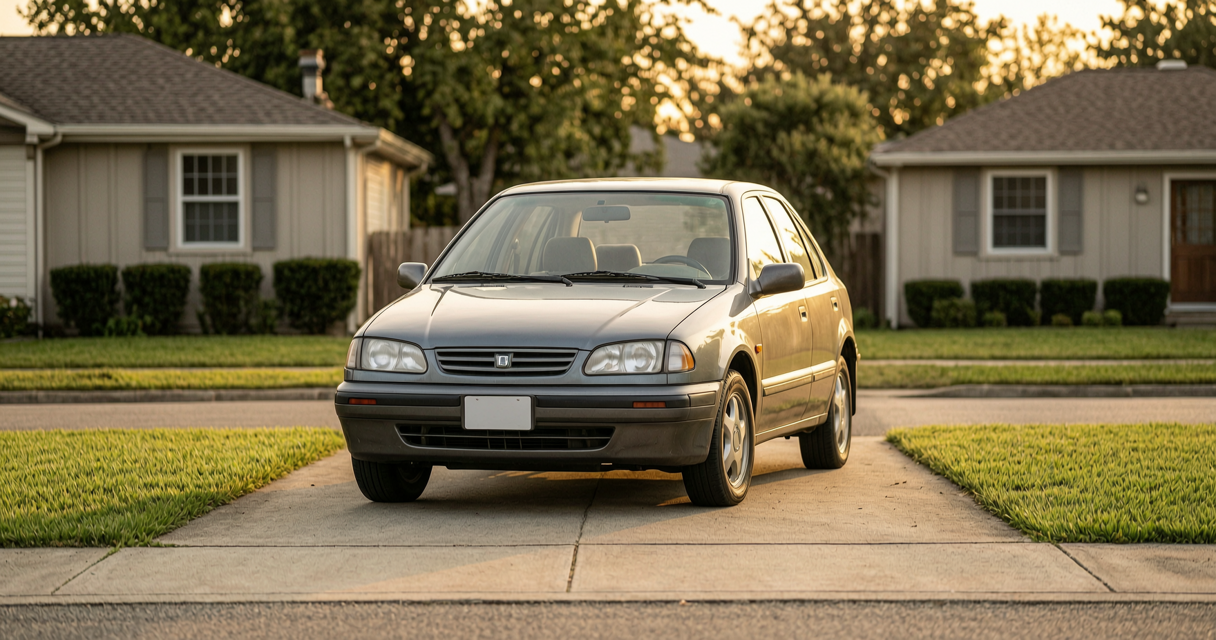
How To Find Reliable Used Cars Under $1,000 Near Me: Budget Car Sourcing For Single Parents

How To Repair A Small Hole In Drywall: A Step-by-Step Beginner’s Guide

How To Discover If You Are An ANGEL Or A DEVIL

How To Get Started With Brookhaven RP: A Complete Guide For Players

How To Play Popular VR Games For Free In 5 Minutes: A Quick Start Guide