
 hot topic
How To Choose Safe Footwear For Seniors: Fall Prevention & Arch Support Guide

Finding the perfect pair of shoes often feels overwhelming when daily mobility becomes a genuine concern for aging adults. You might wonder which specific design truly balances lasting comfort with reliable stability for naturally changing feet. Would you prefer navigating slippery hallway surfaces with complete confidence instead of experiencing constant hesitation during routine tasks?
Furthermore, aging naturally alters foot structure over time, making proper biomechanical alignment essential for maintaining everyday independence. You will quickly recognize that standard retail options frequently overlook these critical anatomical requirements during manufacturing. How can you effectively identify footwear designs that genuinely prioritize your long-term mobility needs and joint health?
Why Senior Footwear Safety and Comfort Is Worth Your Time
Consequently, investing in specialized seniors footwear delivers meaningful advantages that extend well beyond basic aesthetic preferences. You can expect measurable improvements in your posture when your arches receive proper structural reinforcement throughout the day. Are you ready to discover how targeted engineering transforms routine walks into safer experiences?
- Enhanced balance mechanics significantly reduce tripping hazards on uneven walking surfaces.
- Targeted arch stabilization may alleviate common joint discomfort during extended standing periods.
- Adaptive fastening systems accommodate natural foot expansion caused by daily temperature fluctuations.
- Cushioned heel support absorbs impact forces to protect sensitive ankle joints from sudden stress.
- Wide toe compartments prevent friction blisters while allowing natural toe splay during movement.
Additionally, these carefully engineered features work together to support your overall musculoskeletal health over time. You might notice fewer fatigue-related adjustments when your feet remain properly aligned during daily activities. How will your routine change when you finally experience consistent, reliable comfort?
Step-by-Step Guide to Senior Footwear Safety and Comfort
Step 1: Measure Both Feet at the End of the Day
To begin with, measuring both feet accurately establishes a reliable foundation for selecting the appropriate size. You should trace each foot on paper during the evening hours when natural swelling reaches its peak. Can you confidently verify these dimensions against manufacturer charts before committing to a purchase?
Step 2: Examine Material Flexibility and Breathability
You must prioritize soft leather or engineered mesh that naturally moves with your unique walking rhythm. Stiff materials often restrict circulation and increase pressure on sensitive joints during prolonged use. Would you appreciate footwear that breathes comfortably while maintaining structural integrity?
Step 3: Evaluate Outsole Traction Patterns for Fall Prevention
You need to inspect the bottom tread carefully to ensure it channels moisture away from walking surfaces. Look for multi-directional rubber lugs that grip tile and pavement effectively during sudden movements. How will your daily confidence shift when you trust every step on wet floors?
Step 4: Assess Internal Contouring for Arch Support
You can identify supportive midsoles by pressing gently near the center of the removable insole. Proper contouring should feel firm yet yielding, preventing excessive inward foot rolling during your stride. Would customized alignment potentially ease the stiffness you experience after prolonged standing?
Step 5: Verify Closure Mechanisms for Secure Fit Adjustments
You should explore hook-and-loop straps or elastic laces that allow precise tension modifications throughout the day. Traditional laces often loosen unpredictably, creating unexpected tripping hazards during rapid direction changes. How might adjustable closures simplify your morning routine while maintaining consistent stability?
Step 6: Test Indoor Walking Surfaces Before Extended Use
Furthermore, walking across different household flooring helps you verify stability and comfort levels gradually. Notice how the shoe responds to transitions between carpet and hard surfaces before venturing outdoors. Are you prepared to experience smoother transitions across your favorite walking routes?
Challenges to Be Aware Of
Meanwhile, sourcing specialized footwear can occasionally complicate your shopping timeline due to limited retail availability. You might encounter higher price points that reflect the advanced materials and ergonomic engineering involved. Could navigating these hurdles feel frustrating when you simply want immediate relief?
- Limited color options may restrict your ability to match specific wardrobe preferences seamlessly.
- Break-in periods might feel slightly uncomfortable before the materials fully adapt to your unique shape.
- Replacement insoles could require professional fitting to achieve optimal biomechanical alignment.
- Insurance coverage rarely applies to routine footwear purchases, increasing out-of-pocket expenses.
Additionally, finding the exact combination of width, depth, and support often requires patience and multiple try-ons. You should remain open to consulting specialists who understand age-related foot conditions thoroughly. How will you balance these considerations against the long-term benefits of improved mobility?
Conclusion
Ultimately, you now possess a clear framework for evaluating footwear that prioritizes both safety and daily comfort. Implementing these biomechanical considerations can help you maintain steady movement and reduce joint strain effectively. Are you prepared to invest in designs that truly support your active lifestyle and explore new options today?
FAQ
Do I really need specialized seniors footwear if I already own comfortable sneakers?
Standard sneakers often lack the specific structural reinforcements required for naturally aging feet. You may notice reduced arch stability or inadequate toe room during routine activities. Specialized designs frequently incorporate features that address balance fluctuations and joint stiffness simultaneously. Explore our recommended checklist to compare your current shoes against optimal biomechanical standards.
How can I tell if a shoe provides adequate arch support for my condition?
Press firmly into the midsole area to check for a firm yet responsive contour. Proper support should prevent your foot from collapsing inward while maintaining natural flexibility. You might consider consulting a podiatrist to determine whether custom orthotics would complement your footwear. Visit our resource center to learn how to measure your arch height accurately.
What features should I prioritize when selecting shoes for fall prevention?
Focus on outsoles with deep, multi-directional treads that effectively disperse moisture on slippery surfaces. Look for reinforced heel counters that stabilize ankle movement during sudden direction changes. Wide bases naturally improve weight distribution and reduce tipping risks on uneven terrain. Download our free stability guide to evaluate tread patterns before making your next purchase.
Can adaptive closures truly accommodate foot swelling throughout the day?
Adjustable straps and elastic laces allow you to modify tension as your feet naturally expand. This flexibility helps prevent constriction that often leads to restricted circulation and discomfort. You will likely experience fewer pressure points during longer periods of standing or walking. Check out our sizing tutorial to master quick adjustments for changing foot conditions.


RECOMMEND ARTICLES
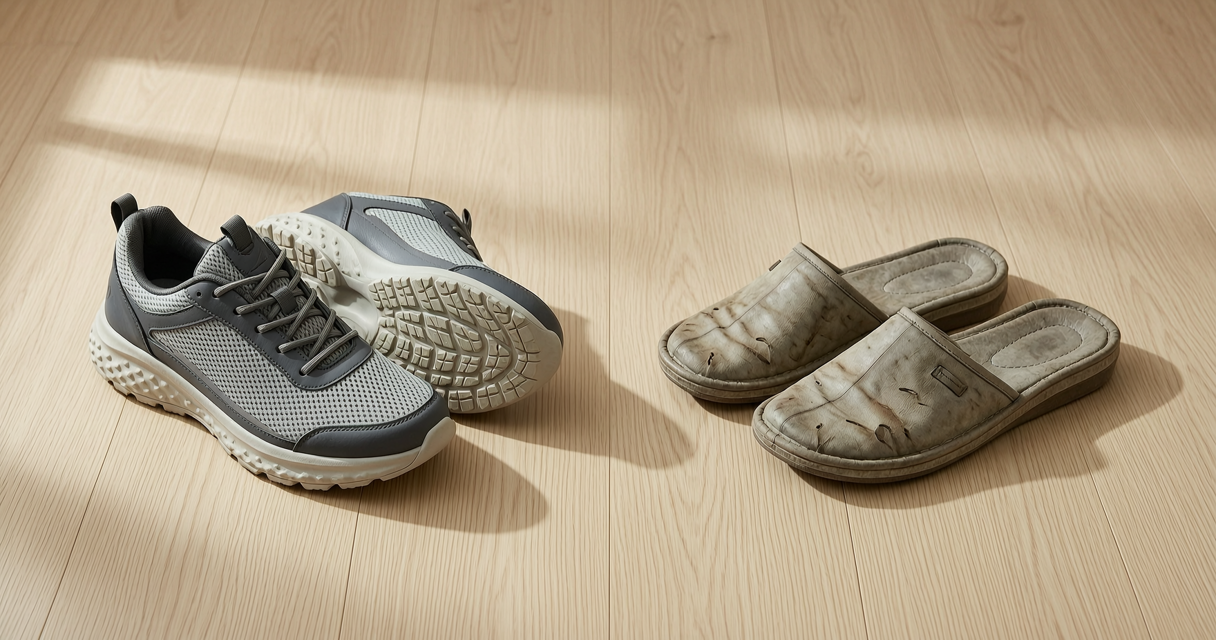
How To Choose The Right Seniors Footwear For Maximum Comfort And Fall Prevention
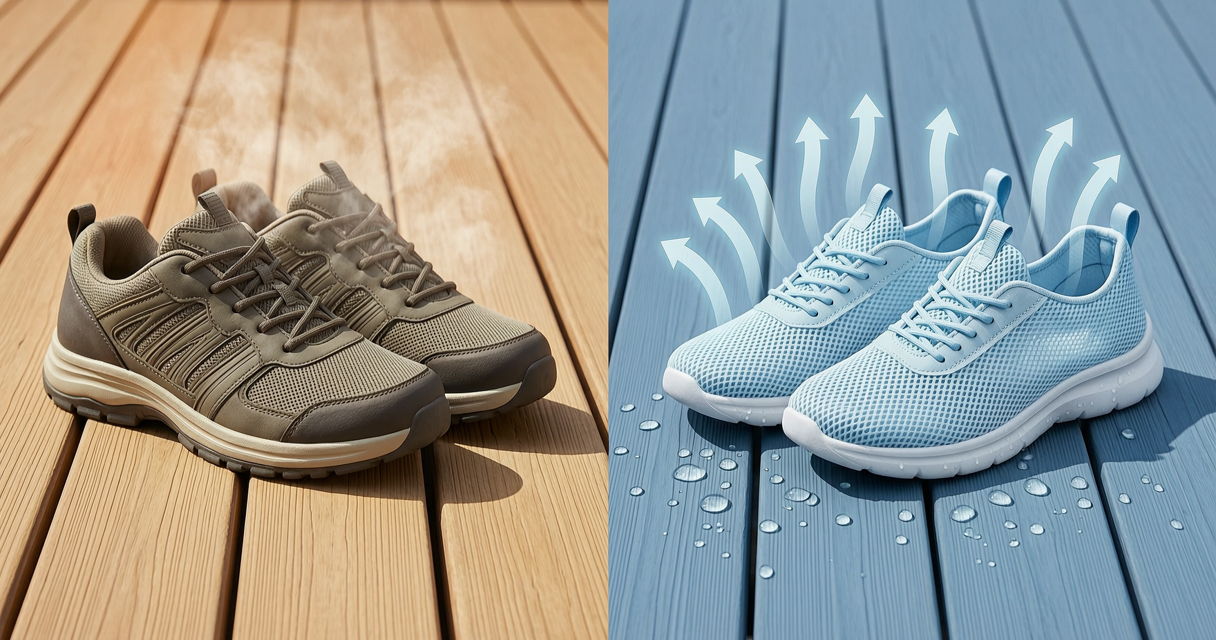
How To Keep Senior Feet Cool And Dry With Breathable Summer Footwear
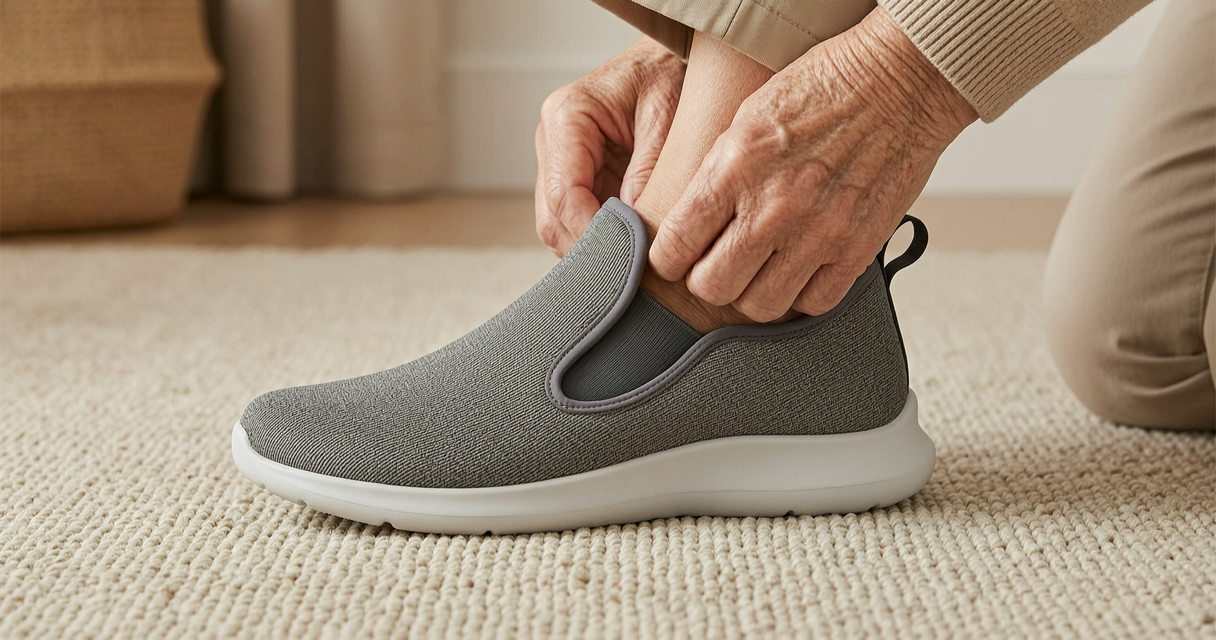
How To Pick Adaptive Slip On Shoes For Seniors With Limited Hand Dexterity
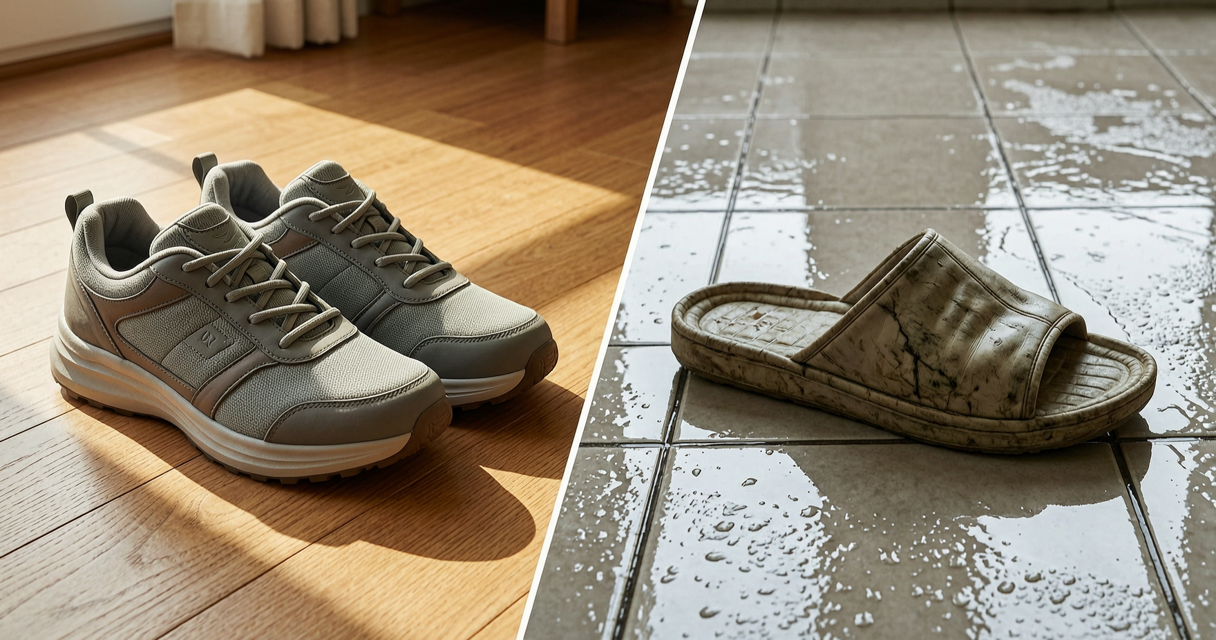
How To Choose The Best Seniors Footwear For Daily Comfort And Fall Prevention
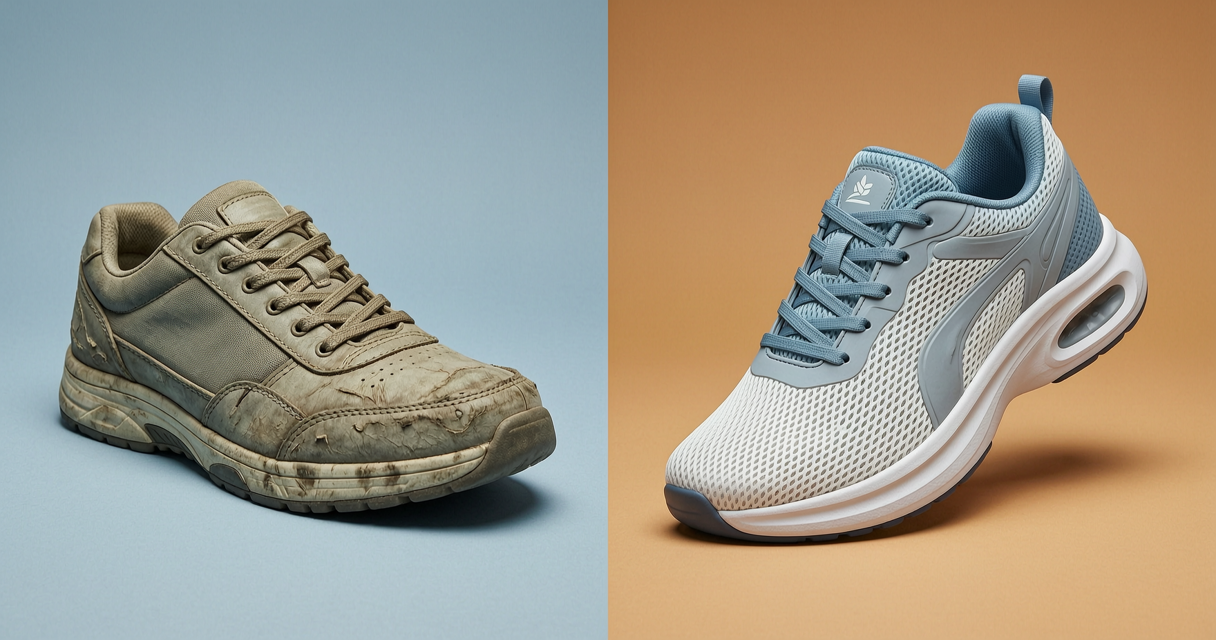
How To Select Orthopedic Walking Shoes For Seniors Managing Chronic Joint Pain
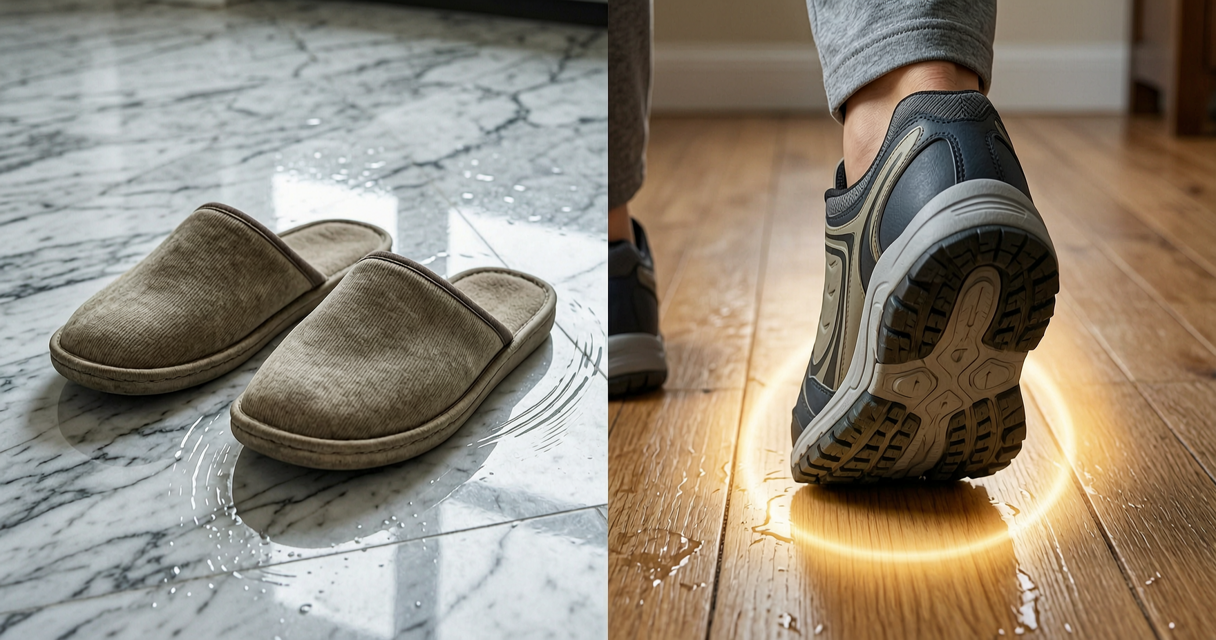
How To Choose Non Slip Footwear For Seniors To Prevent Falls
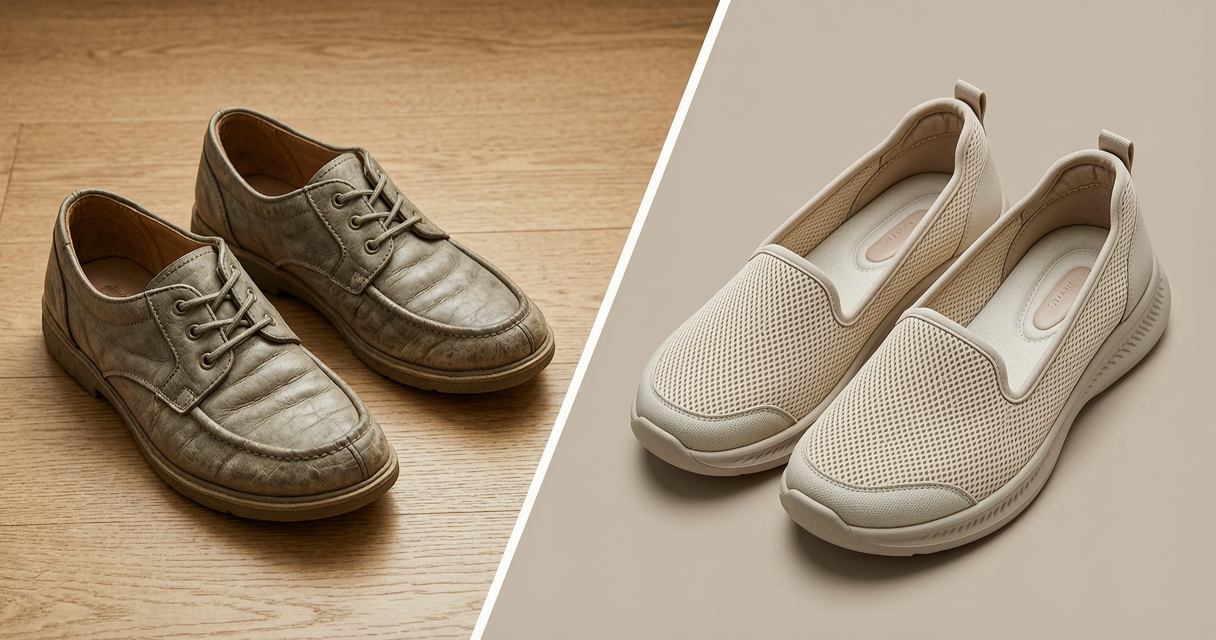
How To Select Senior Footwear While Managing Common Age-Related Foot Conditions
Most Read

How To Build A Fake Alien UFO Detector Prank For Interactive Party Games

How To Find And Use Clash Royale Codes: A Full Guide For Players

How To Get A Free House In Sims 4 Safely

How To Get 99 Nights In The Forest Codes: A Complete Step-by-Step Guide

How To Create And Customize Roblox Skins: A Complete Guide For Players